

You’ve seen it on your favorite athlete. You’ve seen it on that guy at the coffee shop who somehow makes everything look effortless. Now you’re wondering if the burst fade mullet haircut could work for you. Short answer: probably yes. Long answer: it depends on a few things we’re about to break down.
The burst fade mullet takes two barbershop classics , the burst fade and the mullet , and blends them into one sharp, modern cut. It’s not your dad’s mullet. It’s not a boring fade either. It’s the best parts of both, stitched together at the temple.
What Is a Burst Fade Mullet Haircut?
A burst fade curves around the ear in a semi-circle instead of running in a straight line down the neck like a regular taper fade. Picture ripples fanning out from a stone dropped in water , that’s the “burst.” Pair that shape with a mullet’s short front and sides plus longer back, and you get a cut with serious contrast.
Here’s what makes it work: the fade keeps things clean and controlled up top and around the ears, while the length in the back gives you texture and movement. You get structure and personality in the same haircut.
That said, not every burst fade mullet looks the same. The height of the fade, the length you leave in the back, and your natural hair texture all change the final result.
Burst Fade Mullet Height Options: Low, Mid, and High
Where your barber starts the fade changes the whole vibe of the cut.
| Fade Height | Best For | Vibe |
| Low burst fade | First-timers, office-friendly looks | Subtle, understated |
| Mid burst fade | Most face shapes, everyday wear | Balanced, versatile |
| High burst fade | Bold statements, thicker hair on top | Sharp, edgy |
A low burst fade mullet keeps things quiet , great if you want the mullet energy without shouting about it. A high burst fade mullet, on the other hand, brings way more contrast and reads as more of a statement cut. Somewhere in between, a mid burst fade mullet gives you the best of both without committing too hard either way.
Burst Fade Mullet vs. Other Mullet Fades
You’ll run into a few close cousins while researching this cut. Here’s how they stack up:
| Style | Sides | Neckline | Overall Look |
| Burst fade mullet | Rounded around ear | Rounded, blended | Sharp and dynamic |
| Skin fade mullet | Shaved to skin | Clean, defined | High contrast |
| Taper mullet fade | Gradual, longer | Softer transition | Subtle and low-key |
| V cut mullet | Varies | V-shaped point in back | Dramatic back detail |
If you want maximum contrast, go skin fade mullet. If you’re easing into the trend, a taper mullet fade is more forgiving as it grows out. Want drama in the back specifically? Ask for a V cut mullet , the pointed neckline adds a little flair without touching the sides.
Does Your Hair Type Matter?
Yes, and it matters more than most people think.
- Curly hair: A curly mullet fade tends to look fuller and more textured on top, since curls add natural volume. Ask your barber to leave a bit more length so the curl pattern shows through instead of getting cut too short and frizzing out.
- Straight hair: A straight hair mullet reads sleeker and more controlled. It’s easier to style day-to-day, but it’ll show every stray hair, so regular trims matter more here.
- Thick hair: Thick hair holds shape well, which means your burst fade mullet will stay defined longer between cuts.
- Fine hair: Fine hair needs a little help from product to avoid looking flat. A texturizing spray or light sea-salt spray adds grip without weighing things down.
None of these are dealbreakers. Your barber can adjust technique for any hair type , you just want to mention your texture before they start cutting, not after.
Styling Tips That Actually Work
Growing out a mullet is a journey. Some days it looks incredible. Other days it looks like your hair gave up on you halfway through. Here’s how to keep it on the good side more often than not.
- Use a matte clay for the top. Something like a matte paste or clay gives you texture without shine, which keeps the top looking styled instead of slicked back.
- Work a light pomade or curl cream through the back. This keeps the longer pieces from tangling or looking stringy, especially if you’re dealing with humidity.
- Blow-dry with your fingers, not a brush. A round brush pulls curl and texture out. Your fingers keep the natural shape while you dry.
- Get your fade refreshed every 2–3 weeks. The length in the back can go longer between visits, but the fade grows out fast and starts looking patchy if you wait too long.
- Blend your beard into the fade. A mullet with beard blend ties your whole look together. Ask your barber to carry the fade line down into your beard so there’s no visible gap between the two.
Think beach day, not boardroom, when it comes to the back , a little messy texture is the point, not a flaw.
Low-Maintenance Mullet, or High-Effort Statement?
Here’s the honest truth: a low maintenance mullet exists, but it’s not the high-contrast burst fade version. If you want something you can wash, air-dry, and walk out the door with, go for a longer, layered mullet with a soft taper instead of a crisp burst fade. If you want the sharp, sculpted look, budget for more frequent barber visits and a few minutes of styling most mornings.
Neither choice is wrong. It just depends on how much of your morning you’re willing to give to your hair.
Which Face Shape Works Best?
Burst fade mullets are pretty forgiving, but a few small tweaks help depending on your face shape.
- Round face: Ask for more height on top and a higher fade to add length visually.
- Square face: A slightly softer fade line (taper instead of skin fade) works with your jawline instead of competing with it.
- Long face: Keep more width and volume on the sides, and avoid too much height on top.
- Wider face: A mid or low burst fade with texture on top balances things out nicely.
Your barber’s eye is worth more than any guide here, though. Bring photos, explain what you’re going for, and let them adjust the specifics to your features.
What Is a Burst Fade Mullet
The burst fade mullet pairs a rounded, ear-hugging fade with a longer, looser back section. Instead of a straight fade line, the cut curves outward like ripples, giving the sides a softer, sculpted finish.
This style suits guys who want contrast without harsh lines. It works on curly, straight, thick, and fine hair, with a matte clay or curl cream keeping things defined. Maintenance runs medium, and it fits casual or dressed-up occasions equally well.
Why Choose a Mullet Fade
A mullet fade gives you two haircuts in one. Short, clean sides meet long, textured length in back, so you get structure up front and personality everywhere else.
It flatters oval, round, and square faces especially well. Straight and wavy hair styles fastest, while curly hair adds natural volume. A light pomade handles daily upkeep, and the look reads great from weekend hangouts to nights out.
Burst Fade Mullet vs Drop Fade Mullet
A burst fade curves tightly around the ear, while a drop fade dips lower behind it before leveling out. Both keep the mullet’s signature length in back, just with different framing around the sides.
Burst fades suit rounder faces by adding height and angles. Drop fades flatter square or angular jawlines by softening them. Either works with thick or medium hair, needs trims every three weeks, and suits everyday wear.
Burst Fade Mullet vs Taper Mullet Fade
A burst fade brings sharp, high contrast, while a taper mullet fade blends more gradually from short to long with no hard edges. The taper version grows out more gracefully between cuts.
First-timers and office environments often lean taper for its subtlety. Bold dressers and thicker hair types tend to prefer the burst. Both take styling cream up top, though the taper needs less frequent barber visits overall.
Face Shape Tips
Round faces benefit from added height on top and a higher fade to create visual length. Square jaws pair better with softer taper lines instead of sharp, high-contrast fades.
Long faces should keep more width through the sides and skip extra height. Wider faces balance out nicely with a mid or low fade plus textured length up top, no matter your hair type or how often you style it.
Bangs, Hairline, and Sideburns
Fringe or bangs add a modern, youthful edge to any burst fade mullet, especially on straight or wavy hair textures. A defined hairline sharpens the whole look instantly.
Sideburns should blend smoothly into the fade rather than stopping abruptly. This detail suits most face shapes and hair types, needs a touch-up every few weeks, and works well for both casual days and dressier occasions.
25 Burst Fade Mullet Variations
1. Classic Burst Mullet
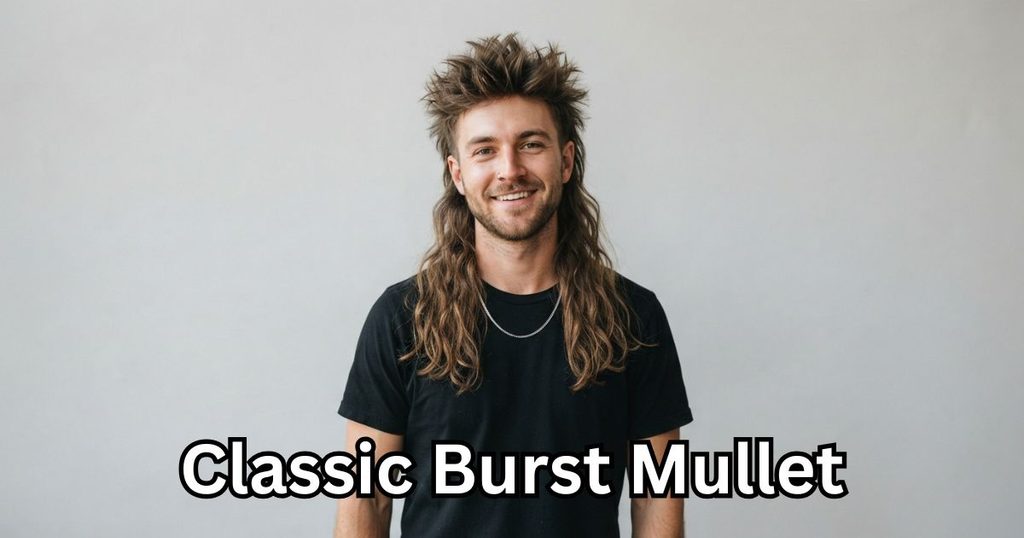
The classic burst mullet sticks close to the original formula: rounded fade, longer back, minimal frills. It’s the reference point every other variation builds from.
This version suits traditionalists with straight or thick hair. Round and oval faces wear it best. A simple pomade and monthly trims keep it sharp for work, weekends, or anything between.
2. Burst Fade Mullet Haircut
This is the everyday, do-it-all version of the cut, balanced enough for any setting without demanding constant styling attention or a specific hair texture to look good.
It suits nearly everyone, from square to oval faces, and adapts to curly or straight strands alike. A texturizing spray handles most days, with maintenance sitting at a comfortable, low-to-medium level.
3. Low Burst Fade Mullet

Starting the fade lower down keeps this variation subtle and workplace-friendly, while still giving you that signature rounded shape and longer back length underneath.
Guys easing into the trend often start here, and it suits most face shapes without much adjustment. Fine or medium hair styles easily with light clay, and upkeep stays refreshingly low.
4. Straight Hair Burst Fade Mullet
Straight strands give this cut a sleek, controlled finish, with the back falling in clean, defined lines instead of the looser texture curly hair naturally produces.
It flatters oval and long faces particularly well. Straight hair needs more frequent trims to avoid a stringy look, and a lightweight pomade keeps the top from going flat.
5. Burst Fade Mullet Curly Hair

Curls add built-in volume and texture, making this version look fuller on top without much extra styling effort or product weighing the hair down unnecessarily.
Round and square faces both wear it well thanks to the added height. Curl cream or a diffuser helps define the pattern, and maintenance stays moderate between cuts.
6. Mullet Skin Fade
Taking the sides down to bare skin creates maximum contrast against the mullet’s longer back, making this one of the boldest variations on the list.
Angular and oval faces handle the sharp lines best. Thick hair holds the shape longest, and it needs fade touch-ups every two weeks to keep that crisp, high-contrast edge intact.
7. Mullet Side Fade

This variation focuses the fade specifically along the sides, leaving more length and texture through the crown for a fuller, less severe silhouette overall.
It suits guys who want contrast without going too extreme. Wavy and thick hair types benefit most, and a matte paste plus biweekly trims keep it looking consistently sharp.
8. Modern Mullet Fade
The modern mullet fade softens the old-school reputation with cleaner lines, better blending, and a shape built for today’s barbershops rather than throwback nostalgia.
It suits younger guys across most face shapes and hair types. Sea-salt spray adds effortless texture, maintenance stays moderate, and it transitions easily from casual outings to more polished settings.
9. Taper Mullet Fade
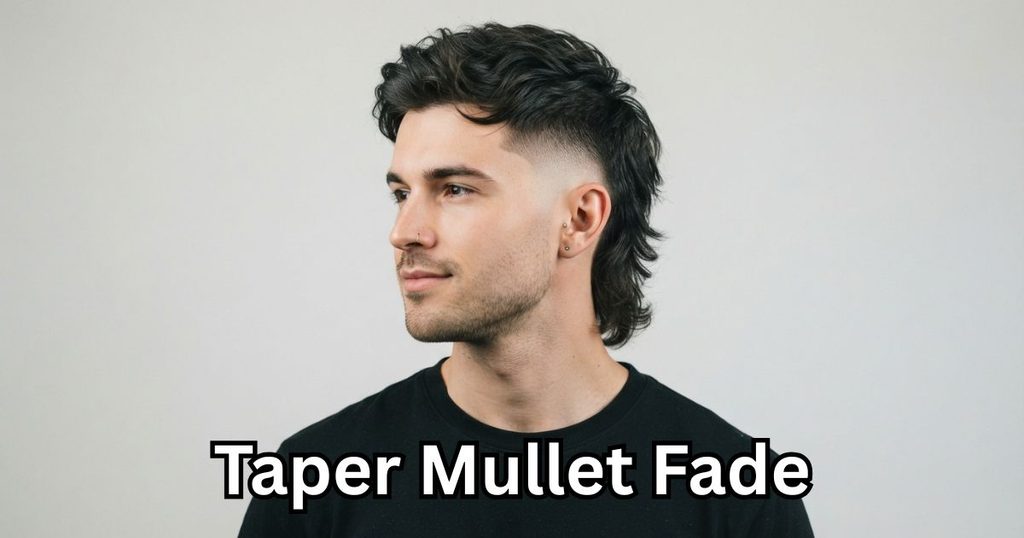
A gradual taper replaces the sharp fade line here, blending sides and back together softly for a more relaxed, low-key take on the mullet shape.
This suits conservative dressers and workplaces with dress codes. It works on nearly any hair type, needs minimal daily styling, and stretches longer between barber visits than sharper fade versions.
10. Curly Mullet Fade
Curly texture meets a defined fade in this variation, creating natural volume up top that contrasts nicely against the tighter, cleaner sides underneath.
Round and heart-shaped faces benefit from the added fullness. A leave-in curl cream keeps frizz controlled, and maintenance runs moderate since curls hide fade growth better than straight hair does.
11. Short Mullet Fade

Trimming down the back length gives this version a more subtle mullet silhouette, perfect for guys who want the vibe without the dramatic length.
It suits professional settings and most face shapes equally well. Fine or thin hair looks fuller with this shorter length, and a light pomade is really all the styling it needs.
12. Kids Mullet Fade
A softer, shorter take on the trend works great for younger guys, keeping the fade gentle and the back length easy to manage day to day.
It suits round and oval young faces best. Straight or wavy hair handles it easiest, needs very little product, and holds up well through school days, sports, and general active play.
13. Taper Modern Mullet Fade

Combining a soft taper with modern styling touches, this variation feels current while staying easy to maintain between appointments compared to sharper fade options.
It suits most face shapes and works across hair types with equal ease. A light styling cream on top is usually enough, and maintenance stays low for busy, everyday schedules.
14. Taper Short Mullet Fade
Pairing a gentle taper with shorter back length creates a subtle, office-appropriate mullet that still carries the style’s signature back-length personality underneath.
Square and oval faces wear it especially well. Straight or thick hair holds the shape longest, and light pomade with monthly trims is really all this low-key variation requires.
15. Modern Mullet Fade Straight Hair
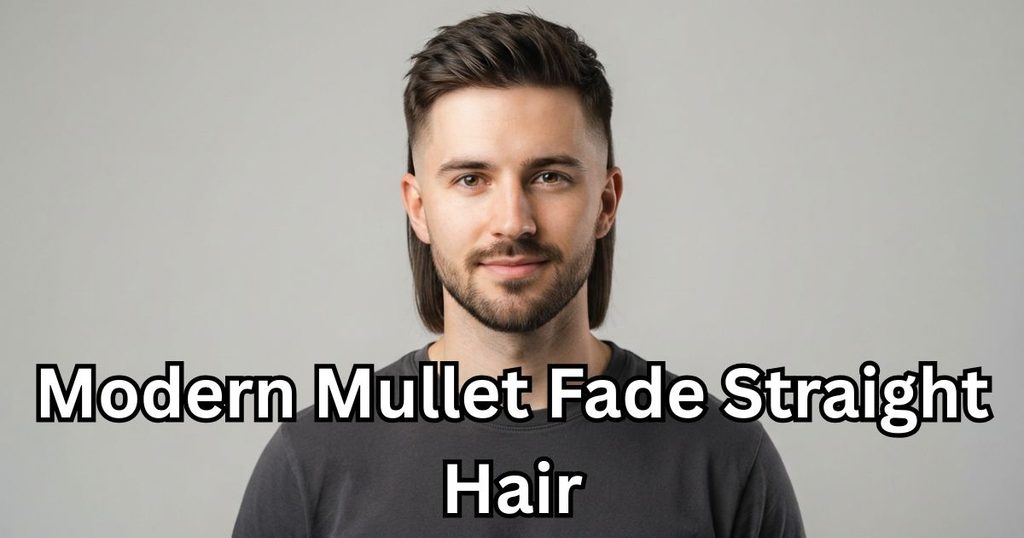
Straight hair gives this modern take a sleek, glassy finish, with clean lines running from the fade straight through to the longer back section.
Long and oval faces suit it particularly well. Regular trims keep straight strands from looking stringy, and a lightweight pomade adds shine without weighing the top section down.
16. Burst Fade Mullet V Cut
A pointed, V-shaped neckline replaces the usual rounded finish here, adding a sharp design detail right where the fade meets the longer back hair.
It suits guys who want extra flair without touching the sides. Thick, straight hair shows the V shape most clearly, and it needs regular neckline touch-ups to stay crisp.
17. Mullet Burst Fade

Functionally similar to the classic version, this variation puts slightly more emphasis on the rounded burst shape itself, making the fade the clear focal point.
It suits most face shapes and hair textures without much adjustment needed. A matte clay defines the top, and moderate, every-three-week maintenance keeps the burst shape looking fresh.
18. Temple Fade Mullet
Fading specifically around the temple area while keeping length elsewhere creates a subtler transition, ideal for guys who want just a hint of contrast.
Oval and heart-shaped faces suit this detail nicely. It works across hair types with minimal fuss, needs light touch-ups every few weeks, and fits both relaxed and dressier occasions.
19. Burst Fade Mullet Straight Hair V Cut

Combining straight hair’s sleek finish with a pointed V neckline gives this variation a sharp, detailed look built for guys who like precision styling.
Long and oval faces wear it best. It demands the most frequent trims on this list to keep the V line clean, paired with a light-hold pomade for daily styling.
20. Mid Burst Fade Mullet
Starting the fade at ear level, this balanced version avoids looking too subtle or too extreme, landing right in the middle for everyday versatility.
It suits nearly every face shape and hair type without much adjustment. A texturizing spray works well on top, and maintenance sits comfortably moderate for regular barbershop visits.
21. High Burst Fade Mullet

Starting well above the ear, this version creates dramatic contrast and reads as the boldest, most statement-making take on the burst fade mullet formula.
Oval and square faces handle the intensity best. Thick hair on top balances the sharp sides nicely, and it needs frequent touch-ups every two weeks to hold its crisp shape.
22. Burst Fade Mullet with Design
Adding a shaved line, part, or pattern into the fade turns this variation into a personal style statement rather than just a straightforward haircut.
It suits confident dressers across most face shapes. Straight or thick hair shows designs most clearly, and upkeep runs higher since designs need regular refreshing to stay sharp and defined.
23. Taper Burst Fade Mullet
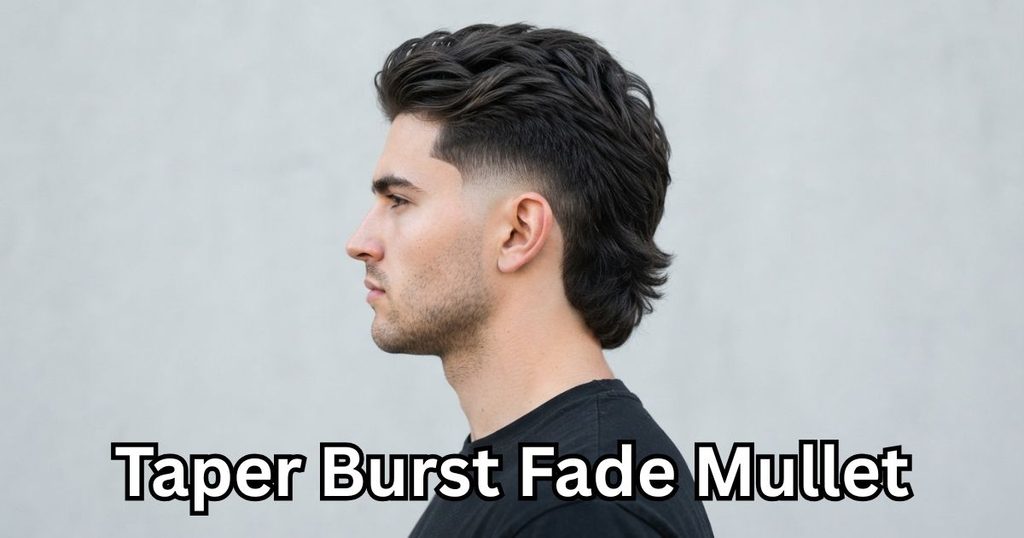
Blending a soft taper into the burst shape softens the overall contrast, giving this variation a more forgiving, gradual transition than the standard sharp burst.
It suits most face shapes and works well across hair textures. A light cream handles daily styling, and it stretches comfortably between barber visits thanks to its gentler fade line.
24. Burst Fade Mullet with Beard Blend
Carrying the fade line down into a well-groomed beard ties the entire look together, eliminating any visible gap between hair and facial hair.
Square and oval faces benefit most from this cohesive framing. It works on any hair type, requires beard oil alongside regular hair product, and needs upkeep on two fronts, hair and beard alike.
25. Burst Fade Mohawk Mullet

Adding extra height and a narrower strip on top gives this variation mohawk energy while keeping the mullet’s signature length running down the back.
It suits bold dressers with round or oval faces. Thick, straight hair holds the raised shape best, and it demands daily styling plus frequent trims to maintain its dramatic silhouette.
Quick Reference Table
| Variation | Best Hair Type | Maintenance |
| Low burst fade mullet | Fine, medium | Low |
| Mid burst fade mullet | Most types | Moderate |
| High burst fade mullet | Thick | High |
| Skin fade mullet | Thick | High |
| Taper mullet fade | Any | Low |
| Curly mullet fade | Curly | Moderate |
| V cut mullet | Straight, thick | High |
| Mullet with beard blend | Any | Moderate-High |
Use this table as a quick gut check before your appointment. It won’t replace a conversation with your barber, but it’ll help you walk in with a clearer idea of what you’re asking for.
Also Read: Mid Taper Fade Curly Hair: 17 Best Cuts & Styling Tips for 2026
Easy Styling Routine
Start with damp, towel-dried hair rather than soaking wet, since product grips better on hair that’s already partway dry. Work a small amount of clay or cream through the top section first.
Use your fingers, not a brush, to shape the top and add texture through the back. Finish with a light hold spray if you need extra staying power through a long day or humid weather.
What to Tell Your Barber
Bring a photo, but don’t stop there. Mention your hair type, how often you’re willing to visit for touch-ups, and whether you want a rounded burst or a straighter drop fade line.
Point out your face shape if you know it, and ask directly about fade height. A quick two-minute conversation before the clippers start saves you from walking out with the wrong cut entirely.
Care and Upkeep
Trim the fade every two to three weeks to prevent it from growing out patchy or uneven, even if you’re letting the back section grow longer between full cuts.
Wash with a sulfate-free shampoo a few times a week to avoid drying out length in the back. Deep condition occasionally, especially if you’ve got curly or color-treated hair to maintain.
Where It Fits
The burst fade mullet works for casual weekends, creative workplaces, and nights out equally well, thanks to its blend of clean structure and relaxed, textured length.
It’s less suited to strict corporate dress codes that expect uniform, conservative cuts. Outside of that, it flexes comfortably across most social settings, hair types, and personal styling preferences.
Final Thoughts
This guide to the burst fade mullet haircut covered a lot of ground. From height options to face shapes, one thing stands out. The burst fade mullet works for almost anyone willing to try it.
Pick a variation that fits your hair. Talk to your barber. Style it your way. The burst fade mullet rewards a little effort with a look that’s sharp, fun, and totally your own. Go get that cut.
FAQs
What is a burst fade mullet?
A burst fade mullet is a haircut with short, rounded fade sides and longer hair left in the back. It blends sharp contrast with relaxed, textured length.
How often do I need to trim a burst fade mullet?
You’ll want a fade touch-up every two to three weeks. The back can grow out longer between visits, but the sides fade fast and need regular attention.
Does a burst fade mullet work with curly hair?
Yes, curly hair actually looks great with a burst fade mullet. The curls add natural volume on top, and your barber can adjust the fade to match your texture.
What products should I use for a burst fade mullet?
A matte clay or texturizing spray works well for the top. Use a light pomade or curl cream on the back to control frizz and keep it looking styled.
Is a burst fade mullet hard to maintain?
It depends on the version you choose. A low or taper burst fade mullet is fairly easy, while a high-contrast skin fade version needs more frequent barber visits.

Serena Luna, the voice behind JournalHair. I share the latest hairstyle ideas, haircut trends, and easy hair inspiration to help you find your perfect look every day.
