

The low taper textured fringe is everywhere right now, and it’s easy to see why. This cut keeps the sides tight and blended, then lets the top do all the talking. Your fringe gets texture, movement, and just the right amount of messiness. It’s sharp without trying too hard.
A low taper textured fringe works with almost any hair type. Straight, wavy, curly, thick, it doesn’t matter. Your barber tapers the sides low near your ears and neckline, so the fade stays subtle. Up top, the textured fringe adds volume and falls forward naturally. This combo suits round faces, square faces, and everything in between. It’s low-maintenance too. A little styling cream and you’re out the door. If you want a modern haircut that actually grows out well, the low taper textured fringe delivers.
Low Taper Fade Textured Fringe
Tight, blended sides that fade low near the ears meet a fuller, textured fringe up top. The low taper fade textured fringe balances sharp precision with easy, tousled movement in one clean package.
Almost anyone can pull this off, from teens to guys in their fifties. It suits oval, square, and round faces, works with straight or curly hair, and needs only cream or clay. Wear it to the office or a weekend out.
What Is a Low Taper Fade Textured Fringe?
This cut tapers hair gradually near your neckline and ears, staying subtle instead of dramatic. Up top, your fringe gets choppy, textured layers that fall forward for a lived-in finish.
Guys with straight, wavy, or thick hair adapt to it fastest, and round or oval faces benefit most from the added height. A dab of texture powder keeps things in place. Trims every four weeks maintain the shape, and it fits both casual days and dressier events.
Why Is the Low Taper Textured Fringe So Popular?
Barbers and clients keep coming back to this style because it’s flattering, versatile, and doesn’t scream for attention. It updates a classic crop with modern texture instead of reinventing the wheel.
Professionals, students, and creatives all wear it well, and it suits square, oval, or diamond face shapes especially. Fine to thick hair takes the texture nicely with sea salt spray. Maintenance stays low, and it moves easily from job interviews to date night.
Who Can Wear a Low Taper Fade Textured Fringe?
Short answer: almost everyone. This cut adapts to different hair densities and grows out gracefully, which is why barbers recommend it to first-timers and regulars alike.
Straight, wavy, and curly hair types all work, though curls may need extra curl cream for definition. Round, oval, and heart-shaped faces see the biggest benefit. It suits students, professionals, and anyone wanting a wash-and-go routine for everyday wear.
Best Face Shapes for a Low Taper Fade with Textured Fringe
Face shape changes how this cut reads. A longer fringe softens angles on square jaws, while a shorter one adds definition where round faces need it.
Oval faces handle nearly any fringe length without trouble, and square faces look sharper with textured layers up front. Thick or medium hair holds shape best with matte clay. Get it trimmed monthly, and wear it anywhere from the gym to a wedding.
15 Best Low Taper Fade Textured Fringe Hairstyles
From messy and choppy to sleek and side-swept, this cut bends in plenty of directions. Below are fifteen takes worth showing your barber as reference.
Each variation suits a different hair type, from curly to fine, and flatters specific face shapes better than others. Styling products range from clay to spray depending on the look. Maintenance stays similar across the board, and most versions work for both everyday wear and special occasions.
Classic Low Taper Fade Textured Fringe
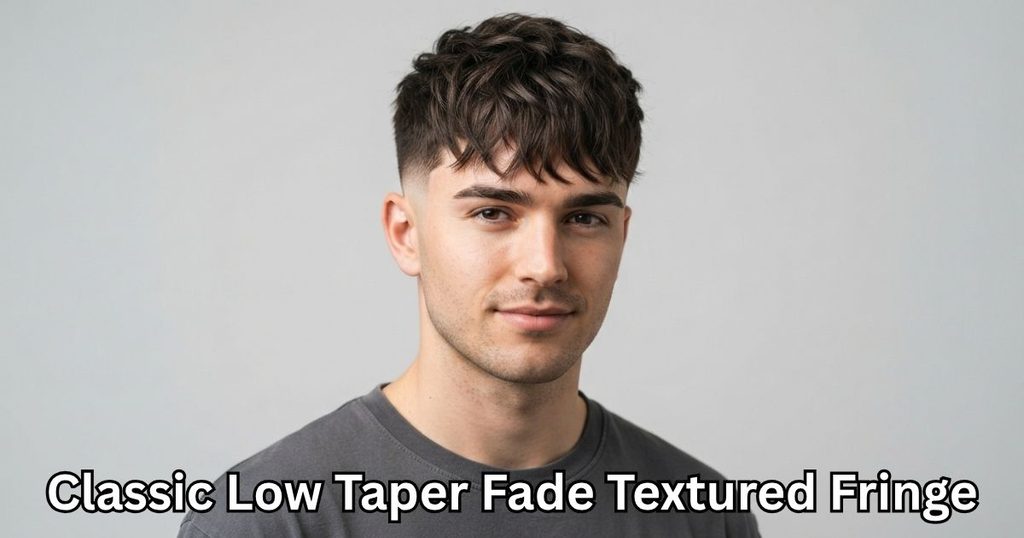
The original take: tight sides, low fade, and a fringe with just enough texture to avoid looking flat. It’s the version most barbers picture first.
This style flatters oval and square faces and works best with straight or wavy hair. A light matte clay holds the shape without shine. It needs trims every three to four weeks and suits office settings just as well as weekends.
Messy Low Taper Fade Textured Fringe
Think bedhead, but intentional. This version roughs up the fringe with fingers and product for a lived-in, just-rolled-out-of-bed look that still reads polished.
It suits round and oval faces best and works well with thick or wavy hair. Texture powder or sea salt spray adds the right grip. Maintenance is easy since imperfection is the point, and it fits casual, everyday occasions.
Short Textured Fringe
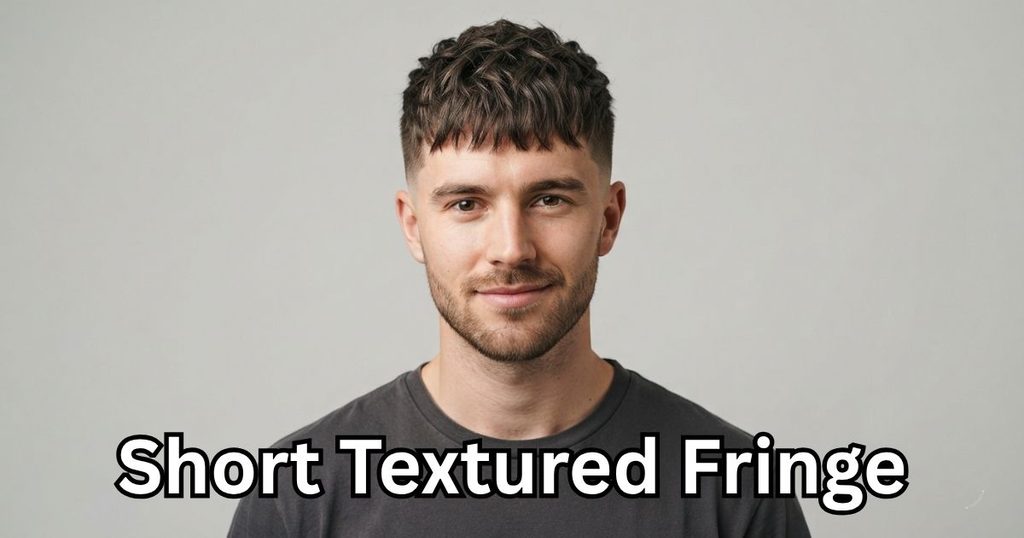
Keeping the fringe short shifts focus toward the taper itself, creating a cleaner, more compact silhouette up front. It’s a low-fuss option for guys who dislike constant restyling.
Square and diamond face shapes benefit most from this cropped length. Fine or thick straight hair holds the shape well. A small amount of styling cream is enough. It suits professional settings and needs trims roughly every three weeks.
Long Textured Fringe
A longer fringe adds drama and gives you more to style, whether that’s swept sideways or pushed forward for coverage. It reads more fashion-forward than the classic version.
Oval and heart-shaped faces carry the extra length gracefully. Wavy or thick hair gives the best movement. Curl cream or a lightweight paste keeps frizz down. Trims can stretch to five or six weeks, and it suits creative or casual environments.
Textured Fringe with Thick Hair
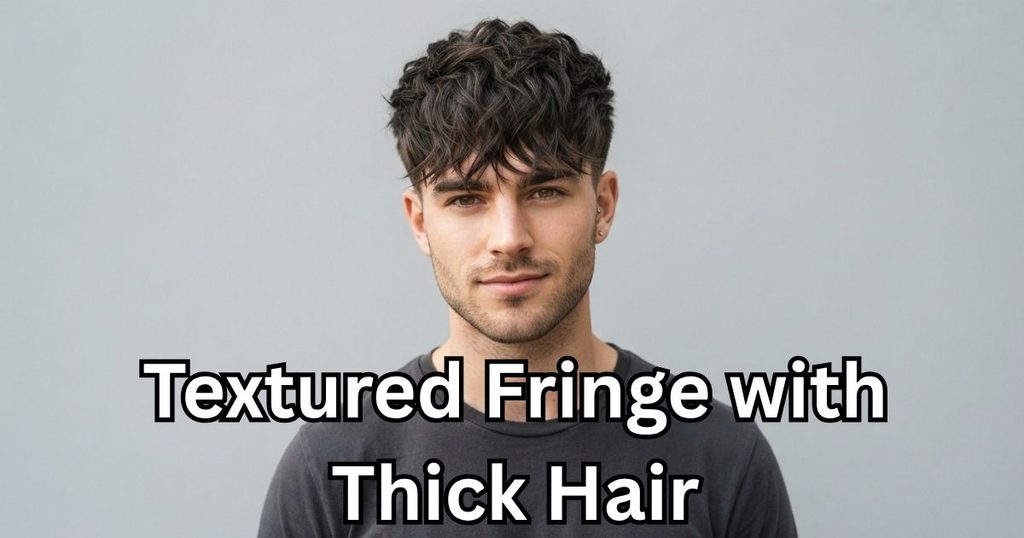
Thick strands naturally add volume, so this variation leans into that with heavier layering to prevent bulk. The result looks full without feeling heavy.
Round and square faces both work here since thick hair adds structure either way. Matte clay tames flyaways without weighing hair down. Expect trims every three to four weeks. It suits both relaxed weekends and smarter occasions.
Wavy Low Taper Fade Textured Fringe
Natural waves add texture on their own, so this cut works with what you’ve already got instead of fighting it. The fringe falls with a soft, irregular pattern.
Oval and round faces pair well with the added movement. Sea salt spray enhances the wave pattern without stiffness. Low maintenance is the main appeal here. It transitions easily from beach days to casual dinners.
Curly Low Taper Fade Textured Fringe
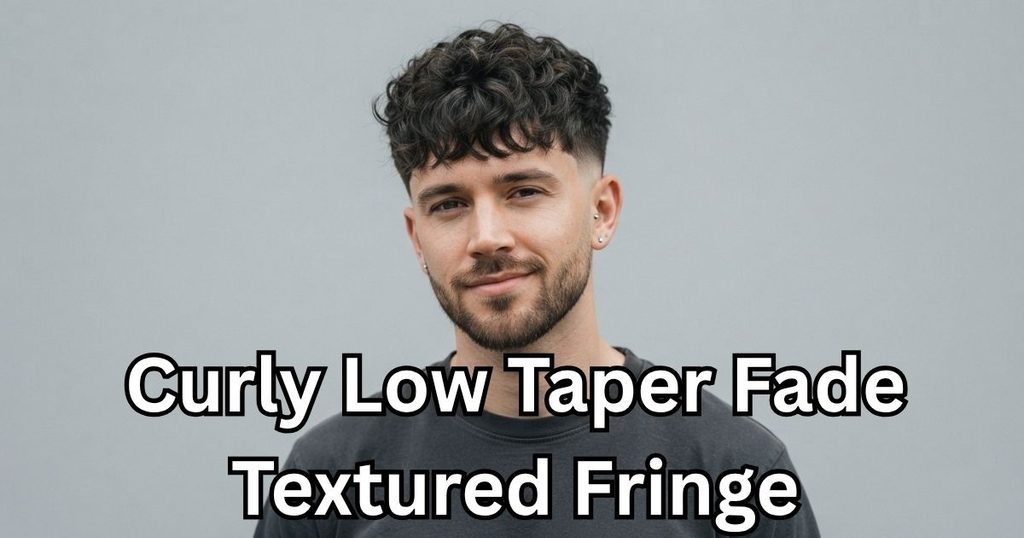
Curls bring built-in volume and shape, making this one of the boldest takes on the style. The taper keeps things controlled while curls do their thing up top.
Square and oval faces both suit curly textures well. Curl cream defines ringlets without crunch. Trims happen every four to six weeks since curls grow differently. It works for both laid-back days and dressier plans.
Asian Low Taper Fade Textured Fringe
Straight, dense hair gets a slightly different treatment here, with heavier texturizing to add movement that wouldn’t happen naturally. The fringe often sits fuller for contrast against the taper.
Round and oval faces benefit most from the added height and texture. Texture powder or light clay works best on this hair type. Trims every three to four weeks keep it sharp. It suits both office and social settings.
French Crop Low Taper Fade Textured Fringe
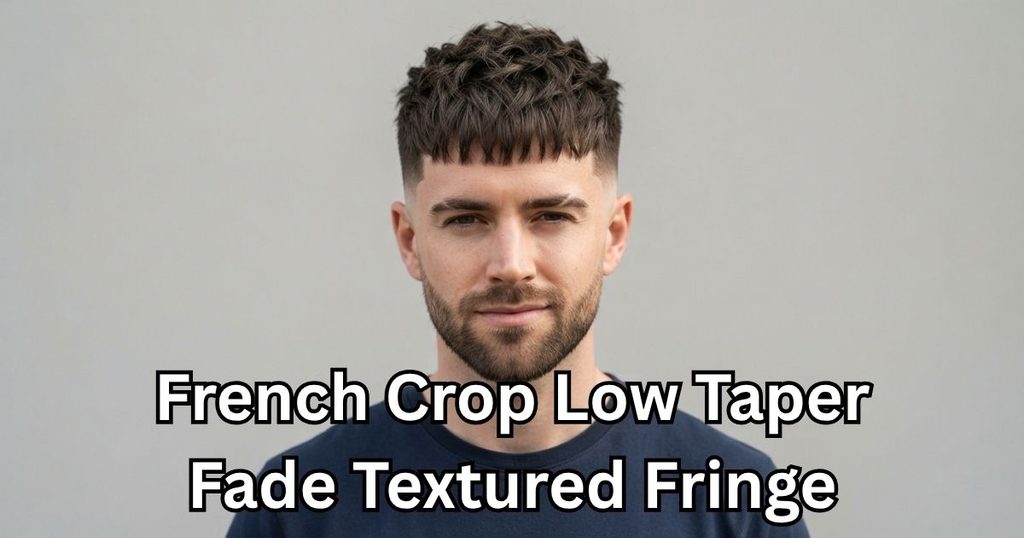
This hybrid borrows the cropped, blunt fringe of a French crop and pairs it with a low taper for a slightly more polished edge than the traditional version.
Square and angular faces suit the blunt fringe line especially well. Straight or wavy hair holds the crop shape best. A small amount of matte paste is all it needs. It fits professional settings and needs trims every three weeks.
Side-Swept Textured Fringe
Instead of falling forward, this fringe sweeps to one side, creating a more directional, styled look that still keeps things textured rather than slick.
Round and oval faces benefit from the diagonal line it creates. Medium to thick hair holds the sweep longest. A light-hold cream or spray sets the direction. It suits both casual outings and smarter dress codes.
Spiky Low Taper Fade Textured Fringe
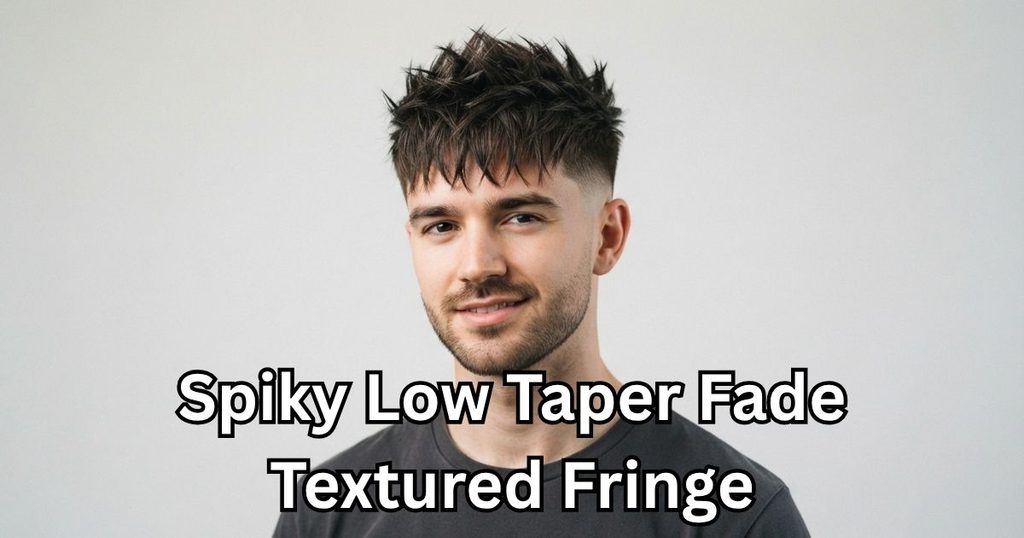
Piece-y and upright, this version pushes texture to its most defined, using product to separate strands into visible, spiked sections up front.
Oval and square faces carry the height well. Fine to medium hair spikes up more easily than thick hair. Texture powder or a strong-hold paste is essential here. It leans casual, though it can work for nights out too.
Fluffy Low Taper Fade Textured Fringe
Soft, rounded, and full, this take skips sharp styling in favor of natural volume that sits loosely across the forehead without much direction.
Square and diamond faces soften nicely under the added fullness. Thick or wavy hair fluffs up best. A light mousse or cream keeps it airy, not stiff. It’s low-maintenance and suits relaxed, everyday wear.
Textured Fringe with Beard
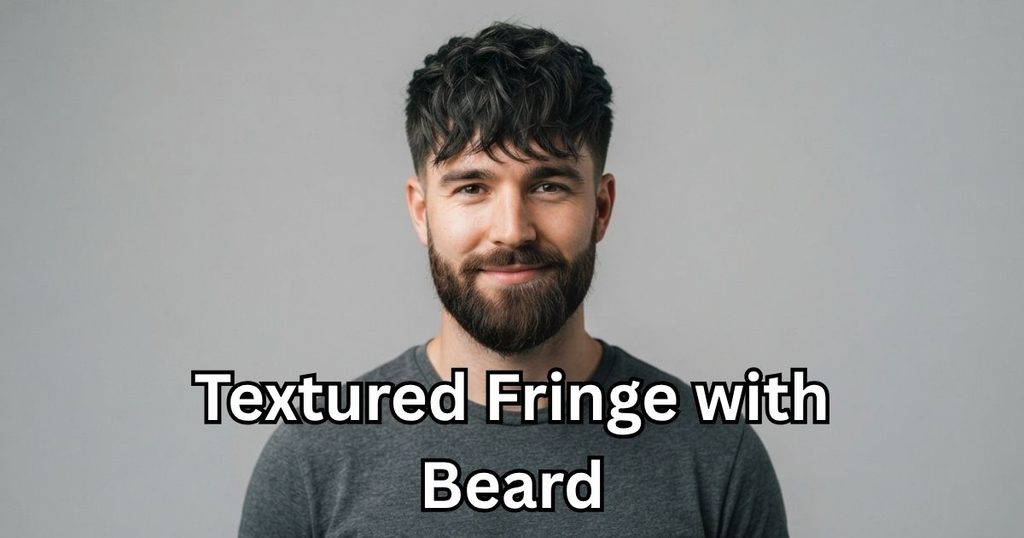
Pairing this cut with facial hair balances the look from top to bottom, adding structure to your jawline while the fringe softens things up front.
Square and oval faces handle the combo best, especially with a well-groomed beard. Any hair type works, though thicker hair matches denser beards visually. Beard oil plus a light clay up top rounds out the routine. It suits most occasions.
Choppy Low Taper Fade Textured Fringe
Uneven, jagged layers give this version an edgier finish than the classic cut, with the fringe deliberately broken up rather than smoothed into place.
Oval and round faces suit the added texture well. Thick or coarse hair holds the choppy layers best. Matte clay with strong hold keeps pieces separated. It leans toward casual and creative settings over formal ones.
Modern Low Taper Textured Fringe
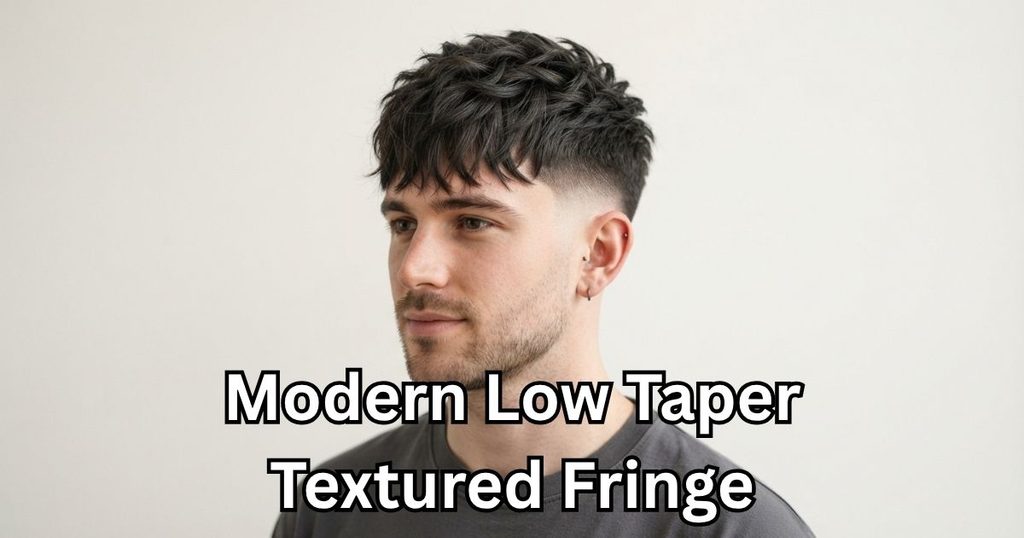
This is the current go-to version, blending clean sides with a fringe that looks effortless but is carefully cut to fall just right.
It suits nearly every face shape, though oval and square benefit most. Straight, wavy, and curly hair all adapt well. A lightweight cream or spray finishes it off. Trims every three to four weeks keep it looking fresh year-round.
How to Style a Low Taper Fade Textured Fringe
Start with damp hair and a small amount of product worked through with your fingers, not a comb. Blow-dry the fringe forward for lift, then set it with light hold.
This routine suits any hair type, though curly hair benefits from air-drying instead. Matte clay or texture powder finishes it without heavy shine. It takes five minutes daily. It works for both quick mornings and occasions needing sharper styling.
How to Ask Your Barber for a Low Taper Textured Fringe
Bring a photo and mention two things specifically: a low taper around the ears and neckline, and a textured, longer fringe left on top for movement.
This request suits any hair type once your barber adjusts the technique slightly. Face shape guides how much length stays up front. No special products are needed for the consultation itself. It applies whether you’re a first-time or returning client.
How Often Should You Get a Low Taper Textured Fringe Trimmed?
Plan on visiting your barber every three to four weeks. Tapers grow out fastest near the neckline, so that’s usually the first place the shape starts looking uneven.
This schedule suits most hair types, though curly hair can often stretch a week or two longer. Any face shape benefits from consistent trims to keep the fringe length balanced. No extra products affect this timeline. It fits both busy and low-maintenance schedules well.
Also Read: Burst Fade Design Guide: Best Ideas, Placement Tips, and Maintenance Advice
Best Products for a Low Taper Fade Textured Fringe
Matte clay, texture powder, sea salt spray, and curl cream each serve a different purpose, from hold to definition to natural-looking texture without grease or shine.
These products suit straight, wavy, and curly hair differently, so match the product to your texture. Round and oval faces don’t need product adjustments, just styling direction. Maintenance is simple: a dime-sized amount goes a long way. They work for daily wear and special occasions alike.
Low Taper Fade vs. Mid Taper Fade with Textured Fringe
A low taper stays subtle near the ears and neckline, while a mid taper starts higher and creates more visible contrast between the sides and the top.
| Feature | Low Taper | Mid Taper |
| Fade start point | Near ears/neckline | Above ears |
| Contrast level | Subtle | Noticeable |
| Best face shapes | Oval, round | Square, oval |
| Formality | Office-friendly | Slightly bolder |
| Maintenance | Every 3–4 weeks | Every 3 weeks |
Both pair well with a textured fringe, so the choice comes down to how much contrast you want and how often you’re willing to sit in the barber’s chair.
Final Thoughts
The low taper fade textured fringe earns its spot as a top choice for guys who want sharp sides and easy style up top. It’s simple, versatile, and works with almost any hair type. You get a clean look without much daily effort.
A low taper textured fringe grows out well too, so you’re not stuck chasing a fresh cut every week. Talk to your barber, bring a photo, and ask for texture up front with a low fade around the ears. This cut delivers style that lasts.
FAQs
What is a low taper textured fringe?
It’s a haircut with sides that fade low near your ears, paired with a fuller, textured fringe on top. Simple, clean, and easy to style daily.
Who should get a low taper textured fringe?
Almost anyone. It suits straight, wavy, or curly hair and works well with oval, round, or square face shapes. Great for casual and formal looks alike.
How do I style a low taper textured fringe?
Apply a small amount of clay or texture powder to damp hair, then blow-dry your fringe forward. It takes just a few minutes each morning.
How often should I trim a low taper textured fringe?
Plan on visiting your barber every three to four weeks. This keeps the taper clean and the fringe length balanced so the style stays sharp.
Does a low taper textured fringe work with curly hair?
Yes, definitely. Curly hair adds natural texture up top. Just use curl cream for definition, and expect trims every four to six weeks.

Serena Luna, the voice behind JournalHair. I share the latest hairstyle ideas, haircut trends, and easy hair inspiration to help you find your perfect look every day.
