

Straight hair and taper fades don’t always get along. Your hair grows out fast, loses shape, and sometimes just won’t cooperate with a fade at all. That’s where the mid taper fade for straight hair changes the game. It blends smoothly into your natural texture instead of fighting it. The gradual taper on the sides gives you clean lines without the harsh, choppy look some fades create on straight strands.
This cut works because it respects how straight hair actually behaves. You get length up top for styling versatility. You get a tight, tapered blend down the sides that stays sharp for weeks. Whether you want a slick back, a textured fringe, or a simple everyday look, a mid taper fade adapts to straight hair better than most other fades out there. It’s low-maintenance, versatile, and genuinely easy to grow out too.
Visual Guide: Mid Taper Fade for Straight Hair
A picture does more work than any paragraph could here. Before you sit in the chair, scroll through real examples of the mid taper fade on straight hair, paying attention to blend lines and top length.
That reference photo becomes your best tool with your barber, especially when your hair type is hard to describe out loud. Screenshot a few angles, front and side, so nothing gets lost in translation once the clippers start.
What is a Mid Taper Fade Straight Hair?
A mid taper fade sits between a low and a high fade. The taper starts around the temple, roughly mid-way up the head, then gradually fades toward the skin near the ear and neckline.
On straight hair, that placement is forgiving. It won’t expose too much scalp, and it won’t leave too much bulk either. A skilled barber blends gradually instead of chopping abruptly, so the result reads clean, not cartoonish.
Why This Cut Works So Well for Straight Hair in 2026
Straight hair holds a line beautifully. There’s no curl pattern fighting the taper, so the blend looks sharper and lasts longer between trims. That’s part of why this style keeps trending as one of the most requested cuts this year.
Barbers have also gotten better at customizing fades by density. Thin straight hair gets textured on top for fake volume, while thick straight hair gets weight removed. Either way, you land on a cut that flatters your hair instead of fighting it.
20 Best Mid Taper Fade Styles for Straight Hair
Straight hair opens the door to a wide range of mid taper variations, from bold blowouts to low-key buzz cuts. Each style below suits a different face shape, hair density, and lifestyle.
Scroll through and pay attention to the maintenance level listed for each look. Some demand daily restyling with heat tools, while others need nothing more than a towel-dry and a quick finger comb-through.
Mid Taper Fade Straight Hair: Blowout & Volume Styles
Volume-focused cuts push top length up and back, adding height and drama against the clean, tapered sides. These styles work best on straight hair that holds a blow-dry shape without collapsing fast.
Below, you’ll find one standout blowout variation worth trying if you want a bolder, more polished silhouette. It’s a style built for occasions, not lazy mornings before work.
1. Mid Taper Fade Blowout Straight Hair
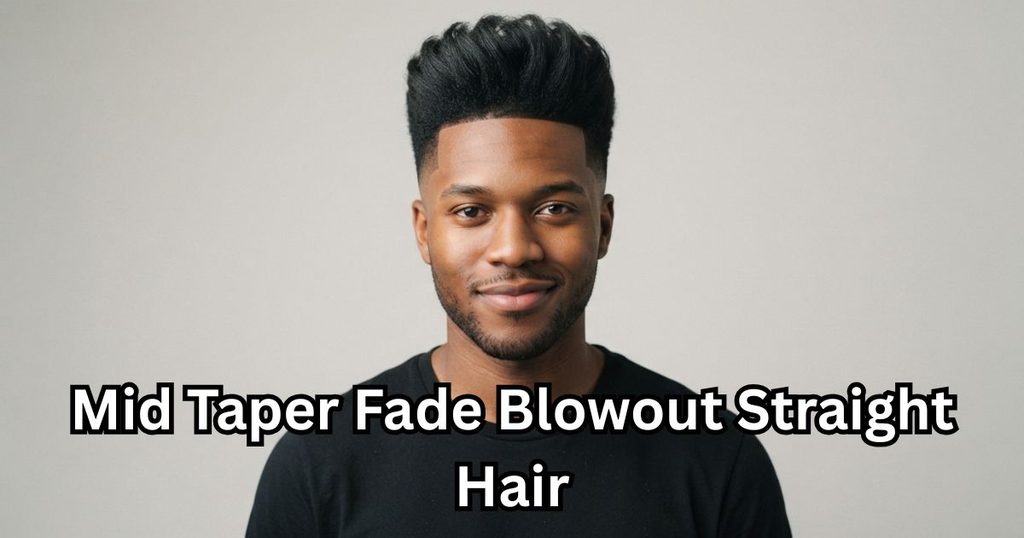
The blowout takes top length and pushes it straight up and back for serious height. Paired with a mid taper, the sides stay clean while your crown does all the talking here.
This style suits round and square faces best, since added height balances out width. Maintenance sits at moderate, since you’re restyling daily. Save it for events, date nights, or days you want presence.
Mid Taper Fade Straight Hair with Fringe
Fringe styles bring top hair forward instead of back, softening the face and creating a more relaxed, youthful frame. Straight hair holds fringe shapes especially well without much extra product needed.
Two variations stand out below, one classic and smooth, one textured and broken. Both pair naturally with a mid taper and work for nearly any everyday setting or occasion.
2. Mid Taper Fade Fringe Straight Hair
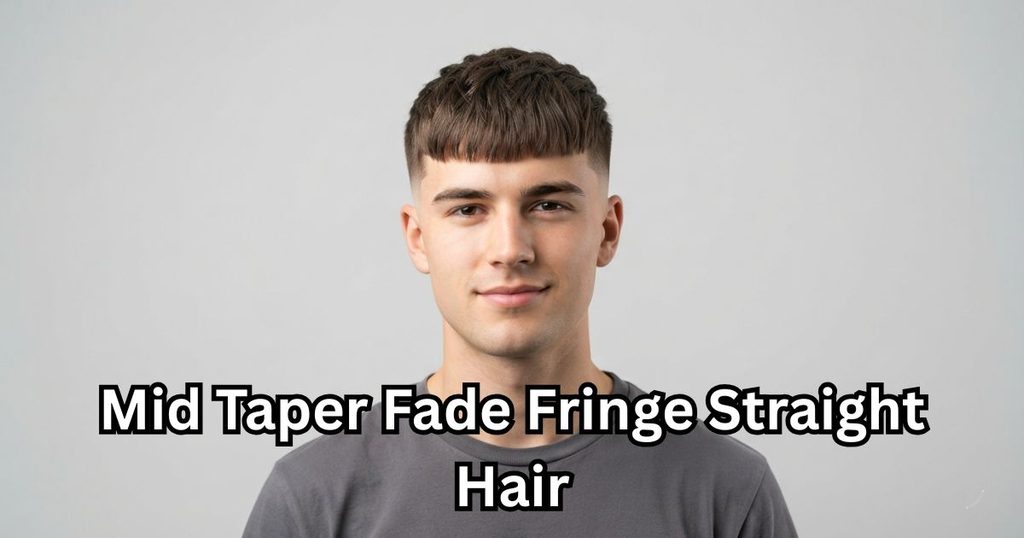
A fringe brings top hair forward, landing softly across the forehead. Combined with a mid taper, it creates a youthful, effortless frame that works for almost any daily routine or setting.
This flatters oval and heart-shaped faces especially well, softening a prominent forehead or narrow chin. A light matte cream keeps things low-maintenance, with trims every three to four weeks required.
3. Mid Taper Fade Textured Fringe Straight Hair
Take the classic fringe and add texturizing scissor work through the ends. Instead of one solid sheet of hair, you get piecey, broken strands that catch light across the front.
Square and oblong faces benefit most, since broken texture softens strong jawlines. Expect medium maintenance, since texture needs regular reshaping. A matte clay or fiber paste works best here.
Short & Long Mid Taper Fade Styles
Length changes everything about how a mid taper reads day to day. Shorter tops mean near-zero styling time, while longer tops offer flexibility for slicked, tousled, or natural finishes.
Both options below pair cleanly with the same tapered sides, proving this cut adapts regardless of how much length you’re willing to manage each morning before work.
4. Mid Taper Fade Short Hair Straight
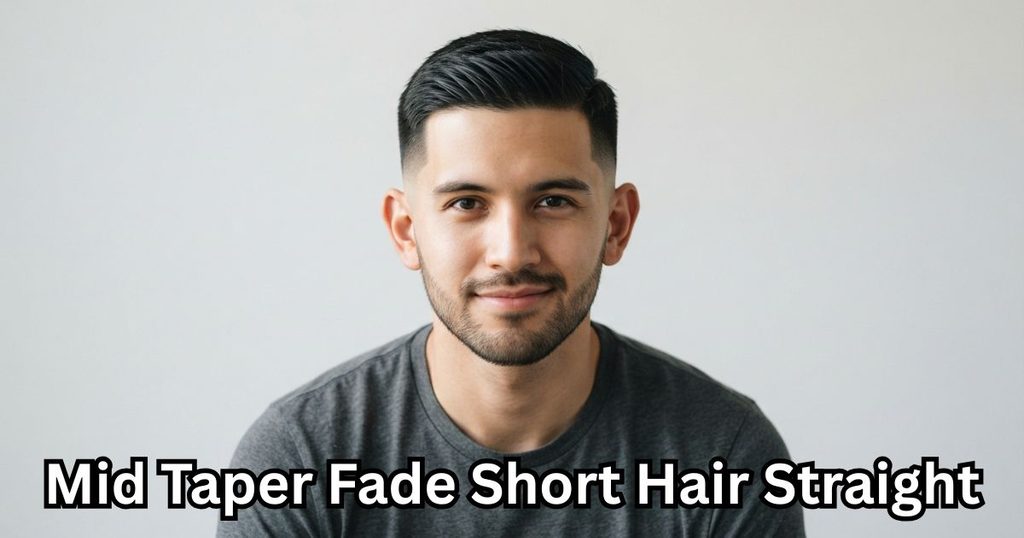
Keeping the top short alongside a mid taper creates one of the lowest-maintenance versions of this cut. There’s barely any length to fuss with, so mornings stay fast and simple.
This suits every face shape honestly, which is part of its universal appeal. Maintenance is genuinely low here, think two-minute mornings. Minimal or no product is needed most days.
5. Mid Taper Fade Long Hair Straight
Longer top length gives you more to play with, from slicked styles to loose, natural falls. The mid taper underneath keeps things grounded so the length doesn’t read as unkempt.
Oval and long face shapes tend to suit this best. Maintenance runs moderate to high, since longer hair needs more product and detangling. A lightweight cream keeps flyaways under control.
Blonde Mid Taper Fade Styles
Lightening straight hair changes the whole personality of a mid taper, adding contrast that makes the cut read bolder and more noticeable from across a room or a photo.
This section covers one striking blonde variation, along with what it actually takes to maintain the color without damaging straight strands over repeated bleaching sessions.
6. Mid Taper Fade Blonde Straight Hair
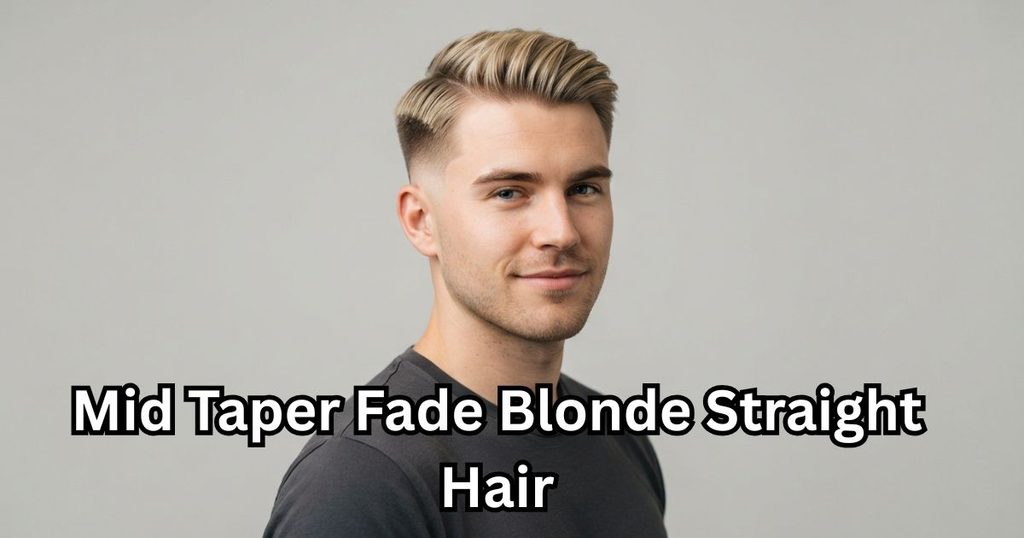
Lightening straight hair to blonde adds contrast against darker, tapered sides, making the whole cut pop visually. It’s a style statement as much as a haircut, drawing attention fast.
This works on nearly any face shape, though fair skin tones see the most natural results. Maintenance is genuinely high here between touch-ups. Purple shampoo and bond-repair treatments are essential.
Burst, Drop & Skin Fade Combos for Straight Hair
These fade variations play with the curve and depth of the blend line, moving beyond a straight, uniform taper into more sculpted, architectural territory around the ear and neckline.
Both styles below add subtle detail that most people won’t consciously clock, but they’ll still notice the overall cut looks sharper and more intentional than a basic fade.
7. Mid Taper Burst Fade Straight Hair
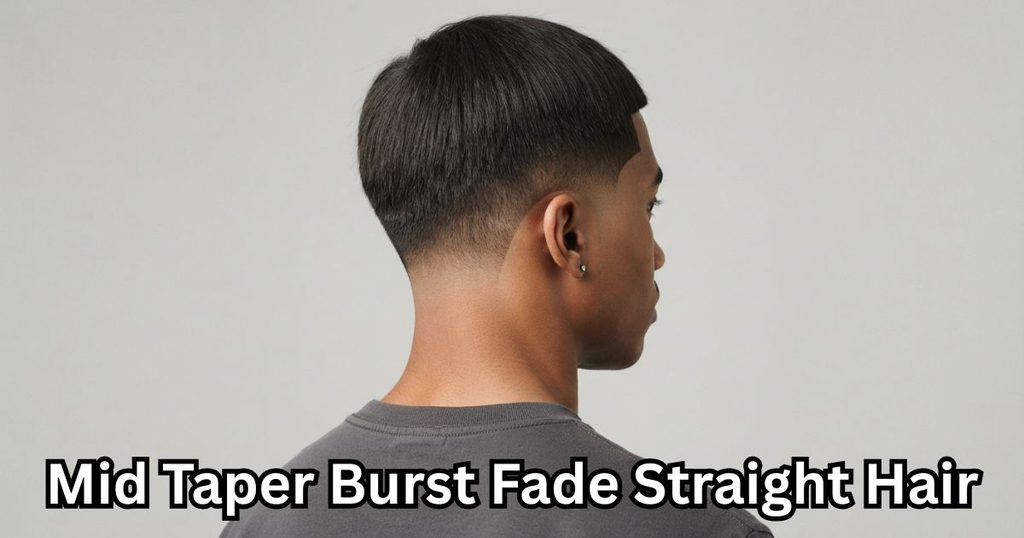
A burst fade curves around the ear instead of running straight, creating a rounded, sculpted effect. Combined with a mid taper, it adds detail most people won’t consciously notice.
This suits oval and round faces well, softening the sides near the ear. Maintenance sits at moderate, mostly for keeping the curved line crisp between regular barber visits.
8. Mid Taper Drop Fade Straight Hair
The drop fade dips lower behind the ear before curving back up, following the natural shape of your skull. It’s a more dramatic take on the standard mid taper look.
Square and diamond face shapes benefit from the movement this creates. Expect moderate maintenance, with touch-ups every three weeks needed to preserve the drop shape properly.
Buzz Cut & Low Mid Taper Combos
Minimalist by design, these two variations strip the cut down to essentials, whether through an ultra-short top or a lower, subtler taper placement along the sides and back.
Both suit guys who want a clean look without any daily styling commitment, making them popular choices for busy schedules, gym routines, and low-fuss lifestyles overall.
9. Mid Taper Fade Buzz Cut Straight Hair
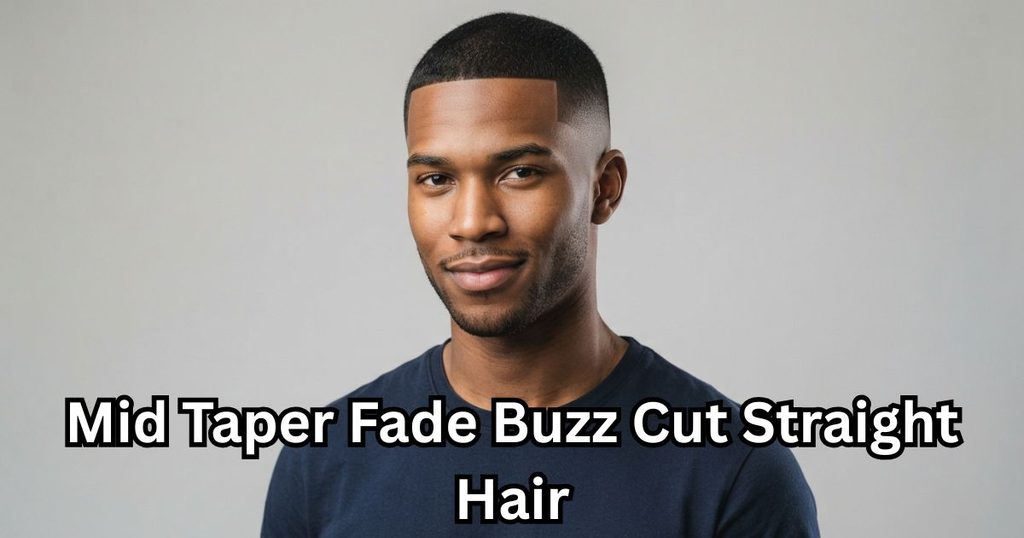
Pairing a buzz cut top with a mid taper strips things down to essentials. There’s no styling required, just uniform length that tapers into skin along the sides and back.
This suits every face shape and works on any hair density. Maintenance is minimal daily but frequent overall, needing a trim every two weeks to stay sharp and defined.
10. Low Mid Taper Fade Straight Hair
Sitting slightly lower than a standard mid taper, this version keeps more length around the sides while still tapering cleanly. It’s a subtler, more conservative take on the cut.
Heart and oval faces suit this particularly well, thanks to the softer transition near the temples. Maintenance stays low to moderate, with trims needed every four to five weeks.
Slick Back, Beard & French Crop Styles for Straight Hair
These three variations lean toward polish and structure, whether through a swept-back finish, added facial hair, or a blunt, minimal fringe. Each brings a slightly more grown-up energy overall.
They’re strong picks for guys balancing professional settings with personal style, offering sharp definition without tipping into anything too flashy or high-maintenance day to day.
11. Mid Taper Fade Slick Back Straight Hair
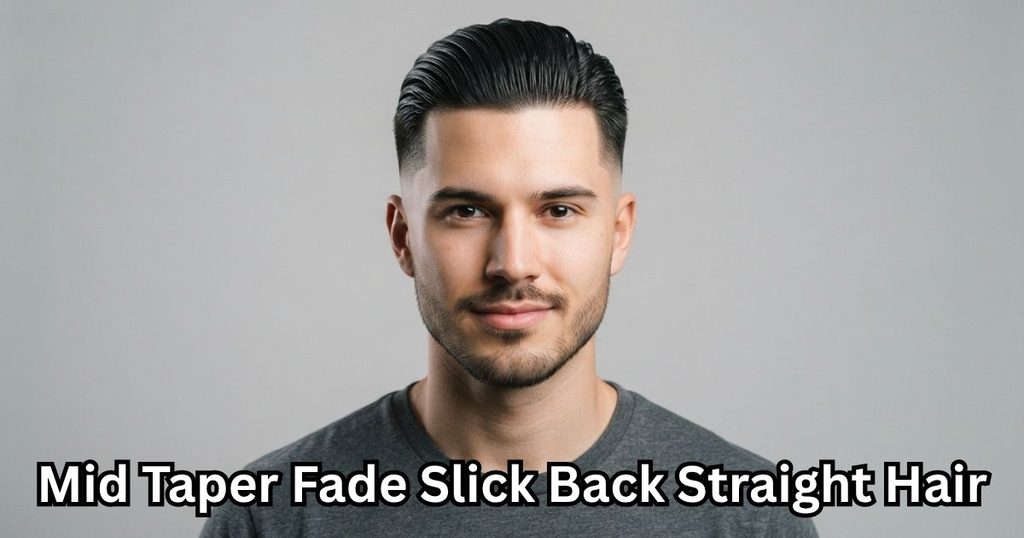
Slicking the top back with strong-hold product creates a polished, put-together look that pairs beautifully with a mid taper’s clean sides. Think boardroom energy, not beach day energy.
Oval, square, and oblong faces all handle this well. Maintenance runs moderate, mainly due to daily restyling. A strong pomade or gel is essential for holding this shape.
12. Mid Taper Fade With Beard Straight Hair
Adding a well-groomed beard to a mid taper creates balance between the top and jawline, giving the look a more mature, intentional feel overall without much extra effort.
This combination flatters round and oval faces especially. Maintenance is moderate to high, splitting attention between hair and beard trims. Beard oil and a trimmer are essential tools.
13. French Crop Mid Taper Fade Straight Hair
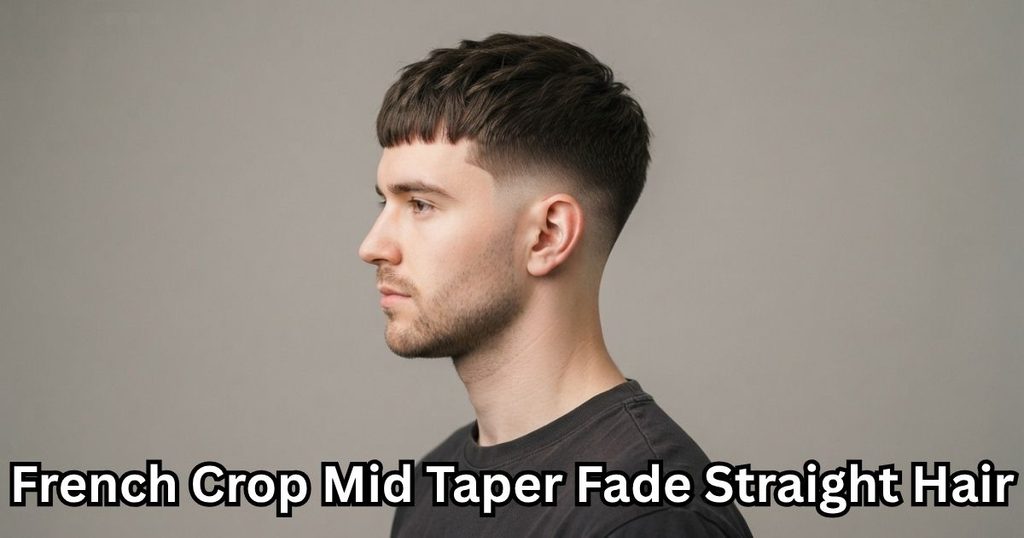
The French crop keeps the top short and blunt, sitting forward in a straight fringe line rather than swept back. Paired with a mid taper, it’s clean and low-fuss.
Square and oval faces suit this particularly well. Maintenance is low, needing just a small amount of matte paste for texture. Trims every three to four weeks keep it sharp.
Design, Fluffy & Middle Part Styles for Straight Hair
This trio leans into personality, whether through a shaved design, soft tousled volume, or a nostalgic center part. Each offers a distinct way to stand out from a basic fade.
They suit guys wanting more expression from their cut, without straying too far from the reliable, sharp foundation a mid taper provides on either side.
14. Mid Taper Fade With Design Straight Hair
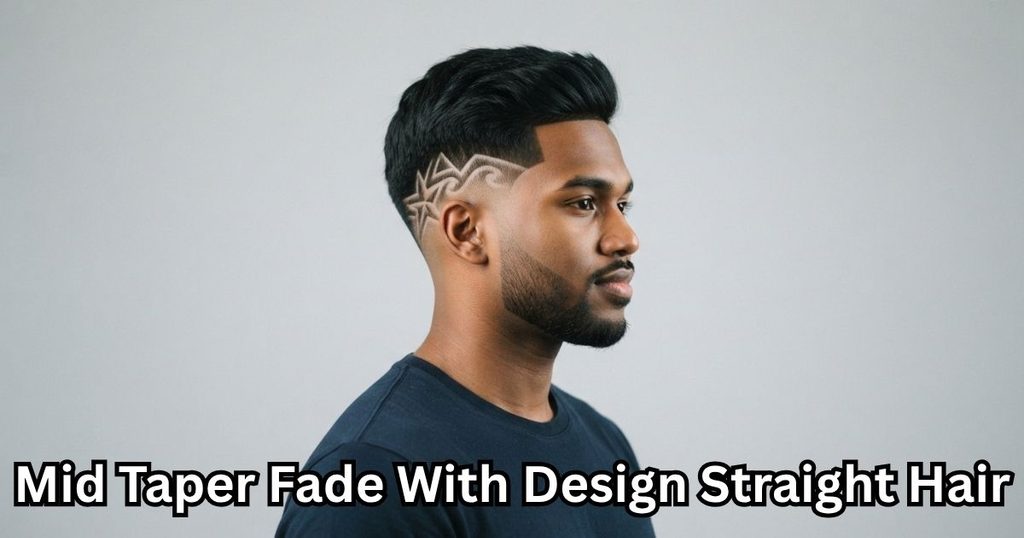
Adding a shaved line, part, or pattern into the taper gives the cut a personalized, artistic edge. It’s a way to stand out while keeping the shape classic and wearable.
This style suits anyone wanting more personality in their cut. Maintenance runs moderate to high, as designs need frequent touch-ups. It suits younger, trend-forward settings more than formal offices.
15. Mid Taper Fade Fluffy Straight Hair
Leaving the top slightly longer and unstyled creates a soft, tousled, fluffy texture that contrasts nicely against the clean taper below. It’s relaxed without looking unfinished or careless overall.
Round and square faces benefit from the added softness. Maintenance stays low, often requiring nothing more than air-drying. A light texturizing spray adds definition when needed most.
16. Mid Taper Fade Middle Part Straight Hair
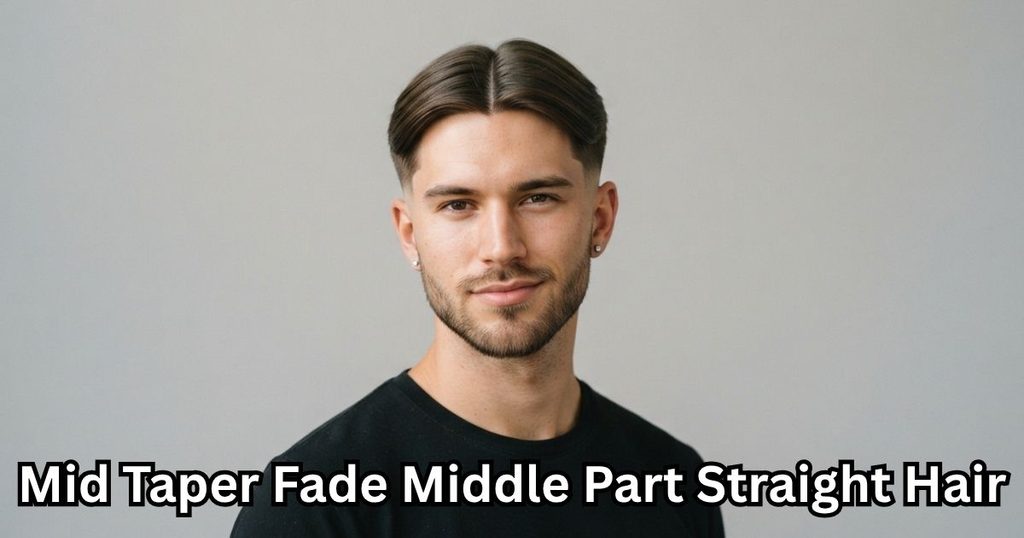
Splitting the top down the center creates a symmetrical, retro-inspired look that pairs surprisingly well with a modern taper underneath. It’s a throwback style found new life recently.
Oval and long faces tend to suit this best. Maintenance sits at moderate, needing a light hold product to keep the part defined. It works well for casual settings.
Mid Taper Fade for Asian Straight Hair
Naturally thick and dense hair calls for slightly different handling when it comes to blending and thinning. This section focuses on how a mid taper adapts to that specific texture.
The result is a cut with strong contrast and clean definition, built to hold shape through humidity and daily wear far better than thinner, finer hair types typically manage.
17. Mid Taper Fade Straight Hair Asian
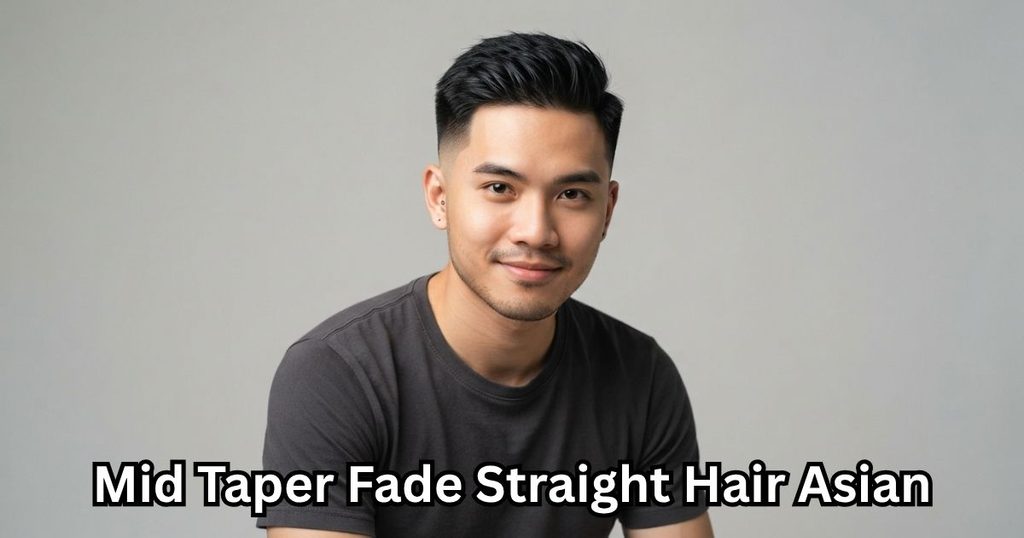
Asian hair tends to be naturally thick, straight, and dense, making it ideal for a crisp mid taper. The fade contrasts sharply against the density on top, creating strong definition.
This suits most face shapes, though round and square faces see the most flattering results. Maintenance leans moderate, since thick hair needs frequent thinning. A matte clay controls shine.
Additional Mid Taper Fade Variations
A few more standout combinations round out this list, each borrowing from different style traditions, from Korean street fashion to classic retro shapes still popular today around the world.
These options work well for guys who’ve tried the more common mid taper looks already and want something slightly less expected for their next cut.
18. Two Block Mid Taper Fade Straight Hair
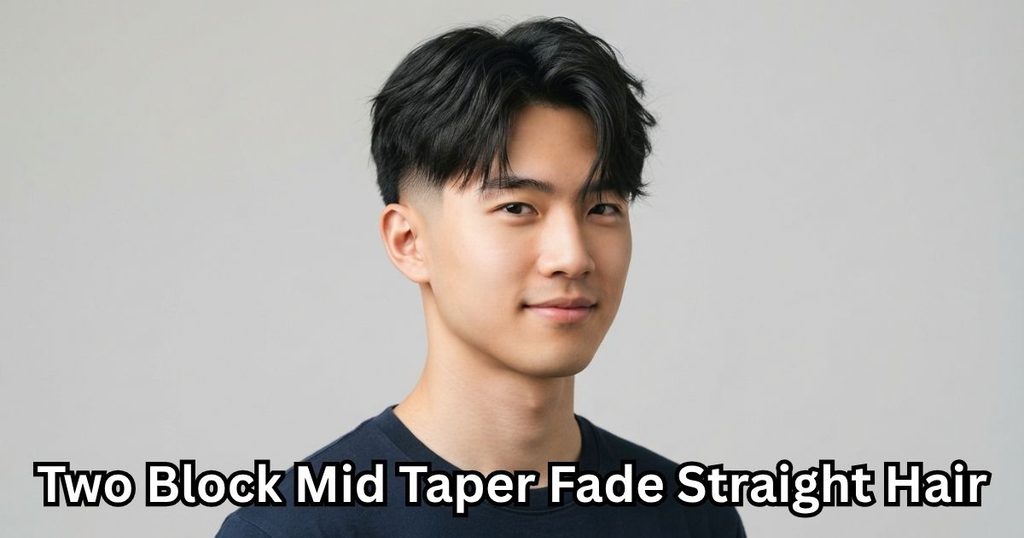
Borrowed from Korean street style, the two-block cut pairs longer top length with dramatically shorter, tapered sides underneath. The contrast between the two sections is the whole point here.
Oval and heart faces handle the volume up top especially well. Maintenance runs moderate, mostly for restyling the top daily. A matte wax gives texture without excess shine.
19. Mid Taper Fade Quiff Straight Hair
The quiff pushes hair up and slightly back from the front, creating volume right where your face frames itself. Combined with a mid taper, it’s sharp and confident overall.
Round and square faces benefit most from the added vertical height. Maintenance is moderate, requiring daily restyling with a hair dryer. A strong-hold paste works best for this shape.
20. Mid Taper Fade Curtains Straight Hair
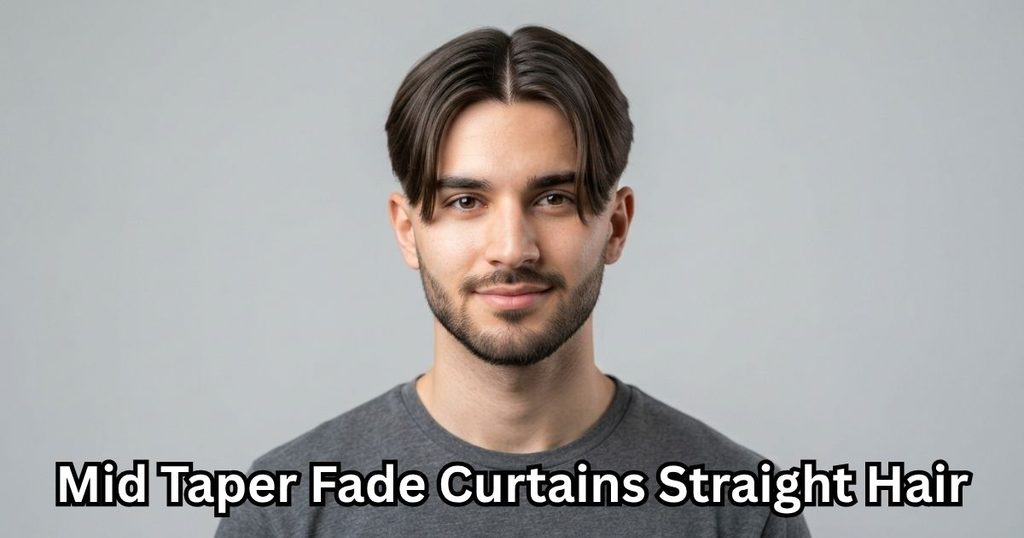
Curtains part the top hair down the middle and let it fall naturally to either side, framing the face like, well, curtains. It’s soft, nostalgic, and easy to maintain.
Oval and heart faces suit this particularly well, since the framing draws attention inward. Maintenance stays low, often just requiring finger-styling after a shower and a light cream.
How to Ask Your Barber for a Mid Taper Fade
Walking in with the right words saves you a disappointing haircut. Barbers hear vague requests constantly, and “just take some off the sides” rarely ends well for anyone involved.
Be specific about placement, length, and finish before the clippers ever touch your head. The sections below break down exactly what to say and what mistakes to flag early.
Key Phrases to Use With Your Barber
Ask for “a mid taper fade starting at the temple” so your barber knows exactly where the blend begins on your head. Mention your desired guard length on top clearly.
Bring a reference photo whenever possible. It removes guesswork entirely and keeps you both aligned on the same finished look before a single clipper pass gets made.
The Guard Number Blending Sequence
A typical mid taper moves through guard numbers gradually, something like a four on top blending into a two, then a one, then skin near the neckline itself.
This gradual step-down is what creates that smooth, seamless look, instead of visible lines or blocky sections that instantly signal an inexperienced or rushed haircut.
Common Mistakes to Mention
Tell your barber if you’ve had uneven fades before, or if your hairline has any cowlicks worth noting ahead of time before they start cutting your hair.
Straight hair reveals mistakes fast, so flag any past issues with patchy blending or uneven growth. It saves everyone a frustrating, unnecessary repeat trip to the shop.
Common Mid Taper Fade Mistakes to Avoid
A lot of guys sabotage a great cut after they leave the chair. Overwashing strips natural oils and leaves straight hair dry, brittle, and genuinely harder to style well.
Skipping regular trims lets the taper grow out into a shapeless mess within a month. Using too much product also weighs hair down, while going in bone-dry invites flyaways.
How to Maintain a Mid Taper Fade for Straight Hair
Keeping a mid taper sharp takes more than just showing up for the occasional trim. It’s a combination of the right schedule, the right daily habits, and the right products.
The three sections below cover everything from how often to book your barber to what actually belongs in your bathroom cabinet for everyday upkeep and styling.
Touch-Up Schedule
Plan on a barber visit every two to three weeks to keep the taper crisp and defined. Straight hair grows out noticeably fast, and fades lose their sharp lines quickly.
Waiting a full month usually means starting over from a grown-out, undefined shape. Consistent, shorter intervals between visits keep the overall cut looking intentional and sharp.
Daily Styling Routine
Start with damp, towel-dried hair rather than soaking wet strands straight out of the shower. Apply a small amount of product, then style with your fingers or a comb.
Finish with a quick blast of cool air if you used heat, which locks the style in place. Simple habits like this make a noticeable difference over time.
Products That Work Best
Matte clay works well for textured, piecey styles that need hold without shine. Pomade suits slicked-back or polished looks, while a lightweight cream handles everyday, natural styling.
Skip heavy gels unless you’re specifically going for a wet, glossy finish, since they tend to look unnatural and stiff on most straight hair textures overall.
Best Mid Taper Fade for Straight Hair by Face Shape
| Face Shape | Best Style Elements | Styles to Avoid |
| Oval | Almost anything works, try a quiff or slick back | Overly flat, styleless cuts |
| Round | Added height, textured fringe, quiff | Rounded, bowl-like shapes |
| Square | Textured fringe, French crop, drop fade | Overly boxy, blunt top lengths |
| Heart | Curtains, fringe, low mid taper | Heavy volume up top |
Oval Face
Oval faces are the most versatile canvas for a mid taper fade. Nearly every variation works here, from a bold blowout to a subtle, understated French crop finish.
If you’re unsure where to start, this face shape gives you the most creative freedom of any listed here. Trust your personal taste over strict styling rules.
Round Face
Height and angles help round faces the most. A quiff or textured fringe adds vertical lift, breaking up the natural roundness across the top of your head.
Avoid anything too rounded on top, since it echoes the face shape instead of contrasting it. Sharper, more angular top styles tend to work best overall.
Square Face
Square jawlines pair beautifully with textured, broken styles like a French crop or textured fringe. These soften strong angles without hiding your natural bone structure completely.
Overly blunt, boxy top styles tend to emphasize the squareness rather than balance it. Look for texture and movement instead of flat, uniform lengths on top.
Heart-Shaped Face
Heart faces benefit from styles that don’t add extra width up top. Curtains or a low mid taper draw attention downward, balancing out a narrower chin nicely.
Heavy volume near the crown tends to overwhelm this face shape rather than flatter it. Keep top styling soft, natural, and close to the head instead.
Also Read: 10 Best Mid Taper Mullet Styles for Men to Try in 2026
Best Mid Taper Fade Styles by Age Group
Age often shapes how bold or conservative a guy wants his fade to look, from statement-making designs to understated, workplace-ready finishes worn every single day.
The three groups below highlight which mid taper variations tend to suit different life stages best, based on both practicality and personal style preferences overall.
Teenagers
Younger guys tend to gravitate toward bold choices, think designs, two-block cuts, or blonde coloring. These styles carry more personality and work well in school settings.
Trends move fast at this age, and self-expression usually matters more than long-term practicality. A cut that feels current now is worth prioritizing over restraint.
Young Men
In their twenties, most guys land somewhere between trendy and practical. A textured fringe, burst fade, or slick back hits that sweet spot for most lifestyles.
It looks sharp for work while still carrying personality for weekends and nights out. This balance makes it one of the most requested age-group combinations overall.
Professional Men
Corporate environments generally favor cleaner, more conservative takes on the mid taper fade. A low mid taper or French crop reads polished without much daily effort.
A classic slick back also works well here. These options look put-together without appearing like you’re chasing every passing trend through your workplace or industry.
Mid Taper Fade vs Other Fades for Straight Hair
Not every fade sits at the same height or creates the same amount of contrast. Understanding where a mid taper falls compared to other common fades helps you choose wisely.
The three comparisons below break down exactly how a mid taper differs from low, high, and skin fades in terms of placement, contrast, and overall visual impact.
Mid Taper Fade vs Low Taper Fade
A low taper starts much closer to the ear, leaving more length around the sides overall. It’s subtler and more conservative in appearance than a mid taper cut.
A mid taper sits higher and creates more noticeable contrast between the top and sides. Choose low if you prefer a quieter, more understated everyday look.
Mid Taper Fade vs High Taper Fade
High tapers start near the top of the head, exposing significantly more scalp and creating a bolder, sharper overall look than most other fade placements available.
Mid tapers offer a middle ground, still crisp and defined but less dramatic than a high fade’s stark contrast. It’s a safer choice for conservative workplaces.
Mid Taper Fade vs Skin Fade
Skin fades taper all the way down to bare skin, creating maximum contrast against the top length and a noticeably sharper, more dramatic finish overall.
A mid taper fade, by comparison, often stops just short of full skin exposure, giving a slightly softer, less severe finish that still reads clean and intentional.
Final Thoughts
A mid taper fade for straight hair isn’t just another trend. It’s a cut that works with your hair, not against it. This guide covered twenty ways to wear a mid taper fade straight hair style, from bold blowouts to low-key buzz cuts. Pick one that matches your face shape and lifestyle.
Straight hair holds a mid taper fade better than most textures out there. The lines stay sharp. The blend stays clean. Whether you want something loud or something simple, a mid taper fade straight hair look adapts easily. Show your barber a photo, and you’re set.
FAQs
What is a mid taper fade for straight hair?
It’s a haircut where the sides taper gradually from mid-height down to the skin, blending smoothly into straight hair on top. It suits nearly every face shape.
Does a mid taper fade work well on straight hair?
Yes, it works great. Straight hair holds clean lines, so the taper blends smoothly and looks sharp longer than it would on curly or wavy textures.
How often should I get a mid taper fade trimmed?
Aim for every two to three weeks. Straight hair grows fast, and the taper loses its crisp shape quicker than most other haircut styles typically do.
What products work best for a mid taper fade on straight hair?
Matte clay, pomade, or a lightweight cream all work well. Choose based on your style, textured, slicked back, or natural, and avoid using heavy, greasy gels.
Can Asian straight hair get a mid taper fade?
Absolutely. Asian hair is often thick and dense, which actually creates stronger contrast against the taper, giving the whole haircut a cleaner, sharper overall look.

Serena Luna, the voice behind JournalHair. I share the latest hairstyle ideas, haircut trends, and easy hair inspiration to help you find your perfect look every day.
