

Some haircuts come and go. The classic taper haircut just stays. It’s been a barbershop staple for decades, and it’s not slowing down anytime soon. Why? Because it works. It suits almost any hair type, any face shape, and any lifestyle. Whether you’re heading into the office or out for a weekend hike, a classic taper haircut keeps you looking sharp without trying too hard.
That’s the beauty of it. This style blends short, clean sides with length on top, creating a look that’s polished but never stiff. You won’t need a ton of product or daily styling drama. A good classic taper haircut grows out nicely too, so you’re not stuck rushing back to the barber every two weeks. Simple, sharp, and reliable , that’s what makes this cut a true classic.
What Is a Classic Taper Haircut and Is It Still Worth Getting in 2026?
The classic taper haircut has outlasted countless trends, and it’s not going anywhere in 2026. It works for nearly every guy, every hair texture, and every occasion you can think of.
That staying power isn’t luck. Barbers trust it, clients request it, and it photographs well from any angle. If you want a cut that never feels dated, this one delivers every single time.
What is a classic taper haircut?
A classic taper haircut gradually shortens the hair from the crown down to the neckline and around the ears. The top stays longer, creating contrast without harsh lines.
Unlike a fade, the sides never disappear into skin. You’ll get a soft blend instead, which makes this style easier to grow out and far more forgiving between trims.
What does “classic” mean in the classic taper?
“Classic” refers to the traditional, barbershop-style taper your grandfather probably wore. Think subtle blending, natural hairlines, and zero dramatic contrast between the top and sides.
It’s the opposite of flashy. No shaved designs, no skin fades, no gimmicks. Just a clean, timeless shape that works in any decade and any boardroom.
Is a regular taper the same as a classic taper?
Mostly, yes. “Regular taper” and “classic taper” get used interchangeably by most barbers, describing that same gradual, natural-looking blend from top to bottom.
Some shops reserve “classic” for slightly more conservative lengths, though. When in doubt, bring a photo. That single step saves you from a haircut mix-up every time.
Classic taper vs. fade vs. taper fade: Key differences explained
These three terms confuse a lot of guys, and honestly, barbers don’t always agree either. Each one describes a different level of contrast between your top and sides.
A taper blends gradually with visible length throughout. A fade drops to skin. A taper fade sits somewhere in between, combining both techniques into one versatile look.
The core difference
It comes down to how short the sides get. A taper never touches skin, while a fade does, and a taper fade blends both approaches. Length retention is the deciding factor. If you want hair you can still run your fingers through at the sides, a classic taper beats a fade every time.
What is a classic taper fade?
A classic taper fade combines the natural top length of a traditional taper with a shorter, faded finish near the hairline and neck.
It’s a hybrid cut. You get the low-maintenance feel of a taper with a bit more definition at the edges, perfect for guys who want texture without going too bold.
The history of the classic taper haircut: Why it has lasted over 100 years
Barbers have used taper techniques since the early 1900s, originally for military and workplace grooming standards. Clean, practical, and easy to maintain, it fit the era perfectly.
Decades later, it’s still relevant. Hip-hop culture, business fashion, and everyday guys all adopted it. Few haircuts can claim that kind of cross-generational, cross-culture appeal.
60+ classic taper haircut styles for men
From subtle office-ready looks to bold textured finishes, the classic taper flexes across dozens of variations. Length, fade height, and texture all change the final result.
Below, you’ll find styles broken down by height, length, texture, and even facial hair pairing. There’s a version here for practically every guy and every lifestyle.
Low classic taper haircut styles

Low tapers keep the fade close to the hairline, leaving most of the sides untouched. It’s the most conservative option, ideal for traditional or corporate settings.
Think subtle, not stark. This style suits guys who want a barely-there transition, plus it grows out gracefully without looking messy or uneven after a few weeks.
Mid classic taper haircut styles (Medium taper)
Mid tapers hit right above the ears, striking a balance between low-key and noticeable. It’s the most popular height among first-time taper clients for good reason.
You get definition without going extreme. This works well with side parts, quiffs, or simple combed-back styles, and it suits both casual and professional wardrobes.
High classic taper haircut styles
High tapers start blending near the temple, creating more visible contrast against the top. It’s bolder, more modern, and pairs beautifully with textured or spiky finishes.
Guys who want their cut to make a statement usually go high. Just know it requires slightly more frequent barbershop visits to keep those lines crisp.
Short classic taper haircut

Short tapers keep everything tight, top included, for a clean, no-fuss silhouette. It’s the lowest-maintenance version of this cut, and mornings become genuinely effortless.
Perfect for athletes, military guys, or anyone tired of daily styling. A little pomade rubbed through damp hair is often all you’ll ever need here.
Long classic taper haircut
Long tapers keep serious length on top while sides stay traditionally blended. You’ll have room for slick-backs, quiffs, textured waves, or a casual tousled look.
This version demands a bit more upkeep, honestly. Expect daily product use and occasional blow-drying, but the styling versatility more than makes up for it.
Classic taper fade styles
These blend faded sides with classic top lengths, giving you sharper contrast than a standard taper without going full skin fade on the sides.
Popular among guys who split time between casual and dressed-up settings. It photographs sharp, holds shape well, and still grows out without looking patchy.
Classic taper haircut with beard

Pairing this cut with a well-groomed beard creates balanced proportions and a more mature, put-together look overall. The taper frames your jawline nicely.
Regular beard trims matter here. An uneven beard against a crisp taper actually looks worse than no styling at all, so don’t skip that upkeep.
Classic taper for Black men
On coarser, coily hair textures, classic tapers create sharp definition and enhance natural volume up top. Many barbers combine this with a defined part.
Regular touch-ups keep edges sharp, typically every two to three weeks. Texturizing sprays or curl creams also help define shape between barbershop appointments.
Additional classic taper variations
Beyond height and length, you’ll find pompadour tapers, crew cut tapers, and textured crop tapers, each changing the top’s shape while keeping sides consistent.
Mixing and matching is half the fun. Bring reference photos to your barber, and don’t be afraid to request small tweaks until it’s genuinely yours.
Classic taper haircut for every face shape: Which style is right for you?
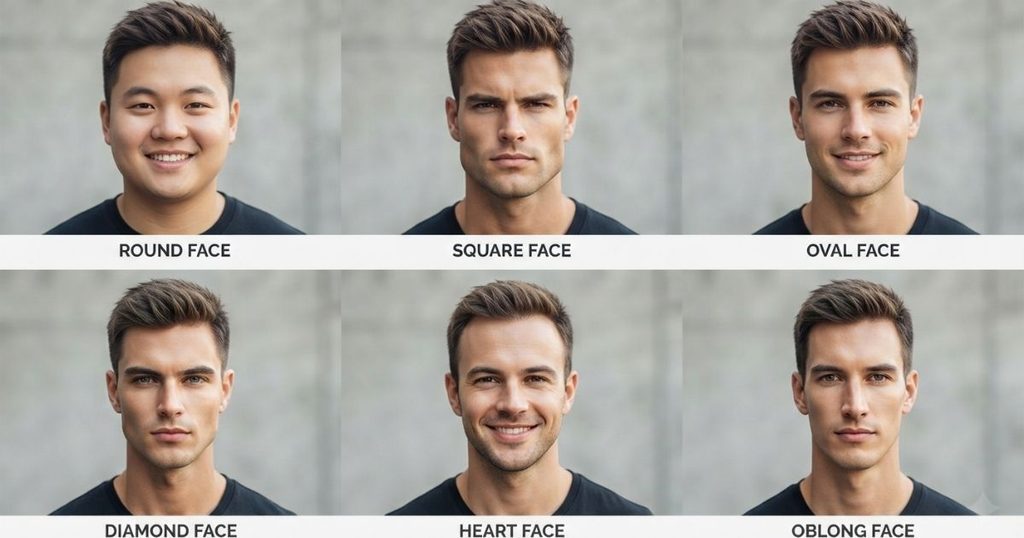
Not every taper flatters every face equally, and that’s worth knowing before you sit in the chair. Length, volume, and fade height all matter here.
Below, you’ll find quick guidance by face shape. Small adjustments make a noticeable difference, so don’t skip this step before your next appointment.
Classic taper for a round face
Rounder faces benefit from added height on top, which elongates the overall silhouette. Skip anything too rounded or bulky, since that emphasizes width instead.
A textured quiff or side part works wonders here. Keep sides tighter too, since that visually slims the face without any dramatic styling effort.
Classic taper for square face
Square jaws pair beautifully with slightly softer, textured tops that balance out strong angles. Avoid razor-sharp lines that only emphasize that boxy structure further.
A mid taper with tousled texture softens things nicely. Rounded fringe styles also work well, easing the transition between your jawline and hairline.
Classic taper for oval face
Lucky you, honestly. Oval faces suit nearly every taper variation without restriction, from short crops to longer, styled tops with generous volume.
Use this flexibility to experiment. Try a pompadour one season, a slicked side part the next, and enjoy having genuinely zero styling limitations.
Classic taper for diamond face
Diamond faces have narrower foreheads and jawlines with wider cheekbones, so softer, fuller tops help balance those proportions out nicely. Avoid overly slicked styles.
A textured crop or light quiff adds width up top. That balances the cheekbone width and creates a more proportionate overall silhouette.
Classic taper for a heart-shaped face
Heart-shaped faces have wider foreheads narrowing toward the chin, so lower volume and side-swept fringe help balance that proportion nicely without adding bulk.
Skip heavy top volume here. A low or mid taper with a subtle side part keeps things streamlined and genuinely flatters that narrower jawline.
Classic taper for oblong/long face
Longer faces benefit from shorter top lengths, which prevent the face from looking stretched out further. Horizontal texture also helps break up that length.
A short taper with a textured fringe works great. Avoid tall, vertical styles, since they’ll only exaggerate length you’re probably trying to minimize.
Classic taper haircut for every hair type

Your hair’s natural texture changes how a taper looks, behaves, and holds shape throughout the week. What works for straight hair won’t necessarily suit curls.
Below, you’ll find texture-specific advice covering product choice, maintenance frequency, and realistic styling expectations for each common hair type.
Classic taper for straight hair
Straight hair blends smoothly, showing off clean taper lines with minimal effort. Styling is usually quick, though flatness can become an issue without texture.
A matte clay or texturizing spray adds welcome grip. Without it, straight hair on top can look a bit lifeless by midday.
Classic taper for wavy hair
Wavy hair adds natural texture and movement, making tapers look effortlessly styled even on lazy mornings. Curl cream enhances definition without weighing waves down.
Air-drying usually works well here. Just scrunch a light product through damp hair, then let those natural waves do most of the heavy lifting.
Classic taper for curly hair
Curly hair creates striking volume contrast against tapered sides, though curl pattern can make the blend trickier for less experienced barbers to execute.
Find someone who specializes in curly textures. A good curl cream or gel also keeps shape defined and prevents unwanted frizz throughout the day.
Classic taper for thick hair
Thick hair holds shape exceptionally well, giving tapers real structure and volume on top. Regular thinning shears help prevent that bulky, overgrown look.
Ask your barber about point-cutting techniques. That removes weight without sacrificing length, keeping things manageable between your regular maintenance appointments.
Classic taper for fine/thin hair
Fine hair benefits from shorter, textured tops that create the illusion of added density and fullness. Overly long styles can look thin and flat.
A volumizing mousse applied to damp roots genuinely helps here. Blow-drying with a round brush also adds noticeable lift before you head out.
Business classic taper haircut: The professional man’s guide
Corporate environments still favor clean, conservative cuts, and the classic taper checks every box employers actually care about. It’s polished without looking rigid.
You’ll rarely go wrong wearing one to an interview, client meeting, or formal event. It signals professionalism without saying a single word.
Why the classic taper is the ultimate business haircut
It’s neat, low-key, and photographs well for headshots or video calls. There’s nothing trendy enough to distract from the actual conversation at hand.
Employers notice grooming, whether they admit it or not. A sharp taper quietly communicates that you take details seriously, professionally and personally both.
Business classic taper vs. business casual taper
Traditional business tapers keep things conservative, with low fades and minimal top texture. Business casual versions allow slightly more length and styled movement.
Consider your office culture before choosing. Law firms lean traditional, while creative agencies often welcome a bit more personality in your overall haircut.
How to style the business classic taper for a job interview
Keep it simple that morning. A light pomade combed through creates a polished side part without looking overdone or excessively slicked back.
Avoid experimenting the night before an interview. Stick with a style you’ve already worn confidently, since familiarity always beats last-minute grooming risks.
Why the classic taper is the best low-maintenance haircut for men
Between clean lines and forgiving growth patterns, this cut demands far less daily effort than most trending alternatives currently do. Mornings genuinely get easier.
That’s a huge selling point for busy guys. You’ll spend less time styling and more time actually living your life, which honestly matters more.
Maintenance comparison table
| Haircut Type | Trim Frequency | Daily Styling Time |
| Classic Taper | 3–5 weeks | 2–5 minutes |
| Skin Fade | 1–2 weeks | 5–10 minutes |
| Undercut | 3–4 weeks | 5–8 minutes |
| Buzz Cut | 2–3 weeks | Under 1 minute |
How long does a classic taper last?
Most guys stretch a classic taper three to five weeks before it needs a fresh trim. Growth speed and fade height both affect that timeline.
Higher tapers need more frequent visits than low ones. If you’re between appointments, a quick neck trim at home can buy you extra days.
At-home maintenance between barbershop visits
A trimmer with adjustable guards handles quick touch-ups around the neckline and ears. Keep it simple, though, and leave the actual blending to professionals.
Regular washing and light product use also keeps things looking fresh. Overgrown edges are usually the first sign you’re due for another trim.
How to make your classic taper last longer
Choose a lower fade height if longevity matters more than sharpness. Low tapers simply grow out more gracefully than higher, more dramatic versions do.
Regular conditioning also helps hair look healthier longer. Dry, brittle strands make even a fresh cut look tired well before it actually needs trimming.
Also Read: Low Taper Fade Black Male: 30+ Best Styles, Face Shapes & Barber Tips
How to ask your barber for a classic taper haircut
Clear communication saves you from walking out disappointed. Barbers can’t read minds, so specifics about length, height, and finish genuinely matter here.
Bring reference photos whenever possible. A picture eliminates guesswork faster than any verbal description ever could, trust us on that one.
Step-by-step: How to ask for a classic taper
Start with your fade height preference, low, mid, or high. Then specify top length using clipper guard numbers or approximate inches for clarity.
Mention your face shape and lifestyle too. A good barber uses that context to fine-tune the cut specifically for you, not just a generic template.
Classic taper clipper guard reference table
| Guard Number | Approximate Length |
| Guard 1 | 1/8 inch |
| Guard 2 | 1/4 inch |
| Guard 3 | 3/8 inch |
| Guard 4 | 1/2 inch |
| Guard 5 | 5/8 inch |
How to style a classic taper haircut: Step-by-step
Styling doesn’t need to eat up your morning. A few consistent steps deliver a polished result every single time, rain or shine.
Below, you’ll find a quick routine plus product recommendations sorted by the finish you’re actually going for, matte, glossy, or somewhere in between.
Step-by-step styling guide
Start with damp, towel-dried hair, never soaking wet. Apply a dime-sized amount of product evenly through your fingers before combing or brushing into shape.
Blow-dry briefly for added volume if needed. Finish with a comb for sharp lines, or tousle with fingers for a more relaxed, textured look.
Best styling products for a classic taper (by finish type)
For matte finishes, try clay or paste, both of which add texture without shine. Glossy finishes call for pomade, especially for slicked-back looks.
Curl creams suit textured or wavy tops best. Whatever you choose, start small. You can always add more product, but removing excess is a hassle.
Classic taper haircut: Celebrity inspiration and reference guide
Sometimes a photo says more than any description could. These celebrity examples show just how versatile the classic taper really is across different styles.
Screenshot your favorite, bring it to your next appointment, and let your barber adapt the details to fit your own hair type and face shape.
Ryan Gosling: Classic low taper + side part
Gosling’s go-to look pairs a subtle low taper with a crisp, combed side part. It’s understated, polished, and works for nearly any formal occasion.
Replicate it with a light pomade and fine-tooth comb. The key is precision, not volume, so keep product use minimal and controlled throughout.
David Beckham: Classic mid taper + slick back
Beckham’s slicked-back mid taper adds a touch more edge while staying office-appropriate. The height creates contrast without tipping into anything too flashy or bold.
A strong-hold gel achieves that wet-look finish. Comb hair straight back while damp, then let it set naturally without touching it again.
Chris Evans: Classic low taper + textured matte top
Evans favors a relaxed, textured top over a conservative low taper, blending casual and put-together in one seamless package that suits most face shapes.
A matte clay creates that effortless texture. Rough it up with your fingers rather than combing for the most natural-looking finish possible.
Brad Pitt: Classic mid taper + natural texture
Pitt’s version leans into natural movement, letting hair fall without heavy product or rigid styling. It’s the lowest-effort celebrity look on this entire list.
A light texturizing spray is all you really need. Scrunch it through damp hair, then let it air-dry into its own natural shape.
George Clooney: Classic low taper (silver hair)
Clooney proves this cut ages beautifully, especially paired with natural silver or gray hair. The low taper keeps things distinguished rather than dated.
Minimal product works best here, just enough to control frizz. Let the natural color and texture do the visual work without any interference.
Final Thoughts
So, is a classic taper haircut still worth getting in 2026? Absolutely. This cut has survived decades of trends for a reason. It’s sharp, simple, and it suits almost anyone who walks into a barbershop.
A classic taper haircut works with your face shape, your hair type, and your lifestyle. It’s low-maintenance, always polished, and never goes out of style. Whether you want a low taper for the office or a textured top for the weekend, this haircut adapts easily. Talk to your barber, bring a photo, and get the classic taper haircut that actually fits you.
FAQs
What is a classic taper haircut?
A classic taper haircut gradually shortens hair from the top down to the neckline, keeping sides natural without shaving to skin. It’s simple, clean, and timeless.
How often should you get a classic taper haircut?
Most guys book a trim every three to five weeks. Lower tapers grow out slower, so you can stretch appointments a bit longer if needed.
Is a classic taper haircut good for curly hair?
Yes, definitely. A classic taper haircut highlights natural curl volume on top while keeping sides tidy. Just find a barber experienced with curly textures.
Can you style a classic taper haircut without much product?
Absolutely. That’s the appeal. A little pomade or clay goes a long way. Some guys even skip product entirely and let hair air-dry naturally.
Does a classic taper haircut work for every face shape?
Pretty much, yes. Adjust the top length and fade height based on your face shape, and a classic taper haircut will flatter almost anyone.

Serena Luna, the voice behind JournalHair. I share the latest hairstyle ideas, haircut trends, and easy hair inspiration to help you find your perfect look every day.
