

The crew cut has been a barber shop staple for decades, and it’s not going anywhere. This cut keeps sides short, tight, and clean, while the top stays just long enough to work with. You get structure without the fuss. That’s the appeal. A classic crew cut pairs well with almost any face shape, and it grows out gracefully instead of turning into a shaggy mess after two weeks.
What makes the crew cut so popular today isn’t just its military roots. Barbers have modernized it with fades, texture, and subtle variations that fit a boardroom meeting or a weekend hike. Whether you want a low fade crew cut or something more traditional, this style delivers a sharp look with almost zero daily effort. It’s practical. It’s timeless. And it genuinely works for busy schedules.
Popular Types of Men’s Crew Haircuts
Classic Crew Cut
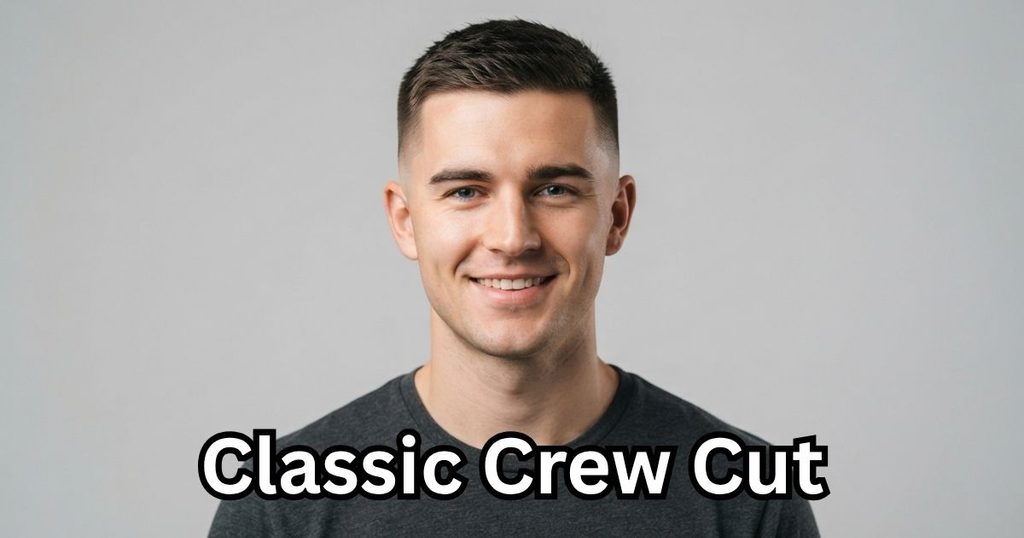
Short on the sides, slightly longer on top, and tapered for a clean transition. This is the cut barbers point to when someone says “just give me something simple.” It never really goes out of style.
Round and square faces both handle it well, and it works on fine or thick hair alike. A dab of matte pomade keeps it in place. Low maintenance, and appropriate for the office or a weekend out.
Modern Crew Cut
Take the traditional shape and sharpen it. This version adds crisper lines, a bit more length on top, and often a subtle fade. It reads younger and more deliberate.
Guys with oval or square faces get the most out of it, especially with thick, straight hair. Styling clay adds texture without weighing things down. You’ll need trims every three to four weeks to keep the shape sharp.
Crew Cut Fade
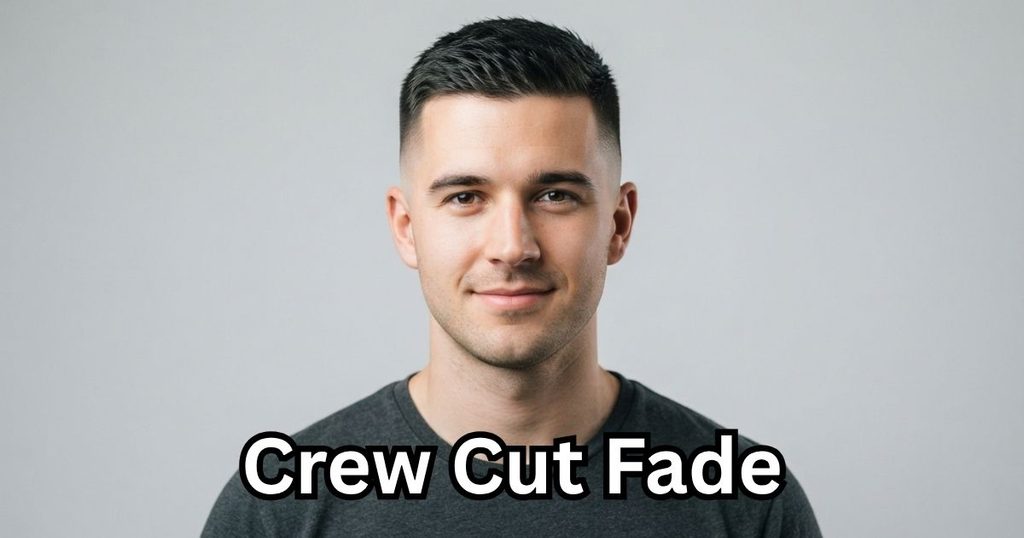
Here, the sides blend smoothly into the skin or a close buzz, while the top keeps its familiar crew length. The contrast does a lot of the visual work.
Almost any face shape can pull this off, and it flatters thinning hair especially well. A strong-hold gel finishes the look. Expect monthly touch-ups, and save it for settings where you want to look put-together.
Short Crew Cut
Everything gets trimmed down here, sides and top alike. It’s the cut you choose when you’re tired of thinking about your hair every morning.
Square and diamond faces look sharp with this length, and it suits thin or fine hair particularly well. Skip the product most days. Maintenance is minimal, and it works equally well for gym sessions and job interviews.
Long Crew Cut
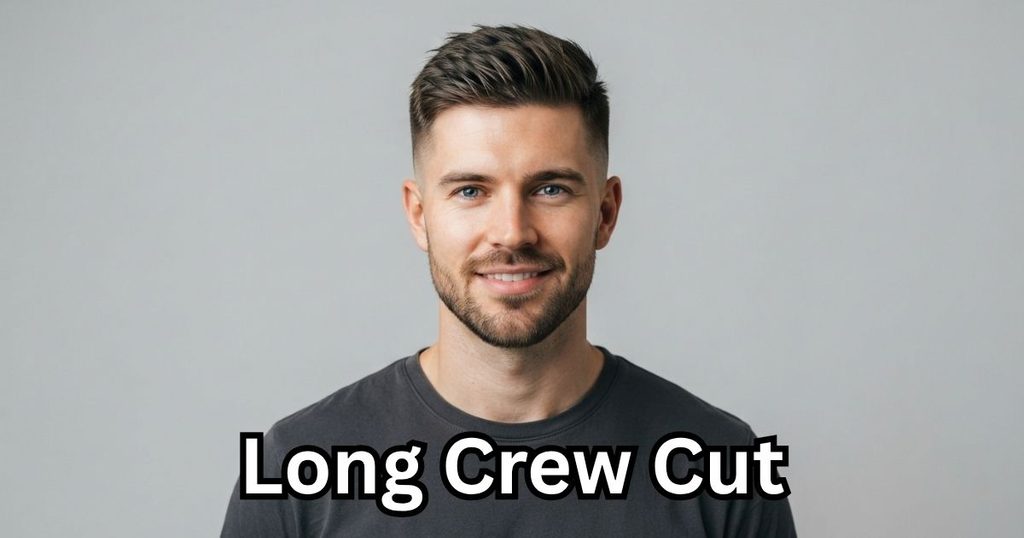
The sides stay short, but the top grows out enough to sweep, spike, or brush back. It’s a crew cut with room to experiment.
Oval and heart-shaped faces balance out nicely with the extra volume, and thick or wavy hair holds the shape best. A texturizing cream helps define it. You’ll need a bit more daily styling, but it works well from casual days to date nights.
High Fade Crew Cut
The fade climbs high on the sides, almost to the temple, creating a bold line before the crew length begins. It’s dramatic without crossing into flashy.
Square and oblong faces benefit most from the height, and straight or wavy hair shows off the fade cleanly. A light wax adds hold. Fades like this need refreshing every two to three weeks to stay crisp.
Messy Crew Cut
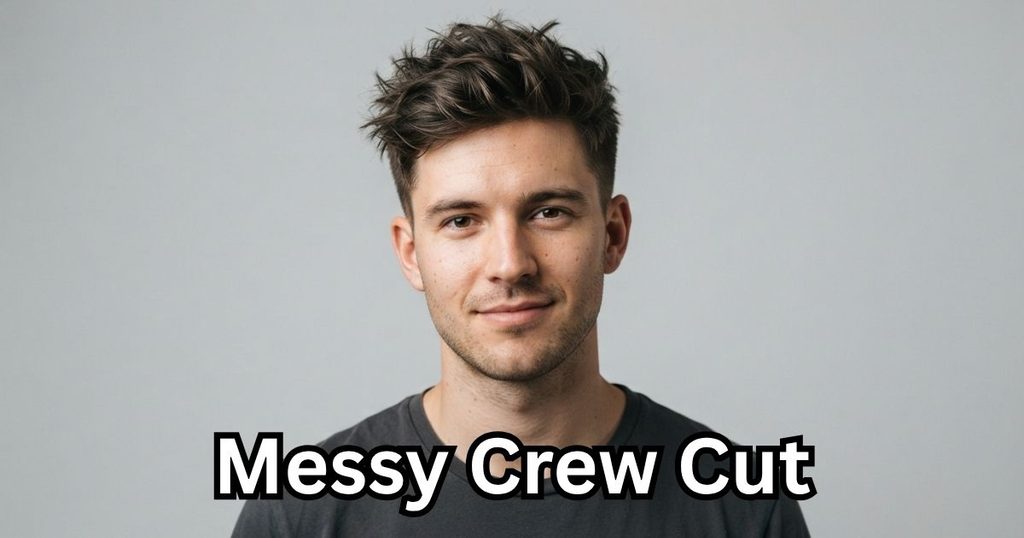
Instead of a polished finish, this version embraces some chaos on top. Pieces point in different directions, and that’s the whole idea.
Round faces gain some added structure from the texture, and thick or curly hair does the heavy lifting naturally. A matte paste keeps it looking undone, not unkempt. It’s forgiving day to day, and works for casual outings or creative workplaces.
Textured Crew Cut
Layers get worked into the top here, giving it depth instead of a flat surface. Light and shadow do more of the styling than any single technique.
Oval and square faces suit it well, and wavy or curly hair naturally enhances the texture. Sea salt spray or a light clay brings it out. Upkeep sits in the middle, and it looks equally at home at the office or a weekend brunch.
Mid Fade Crew Cut
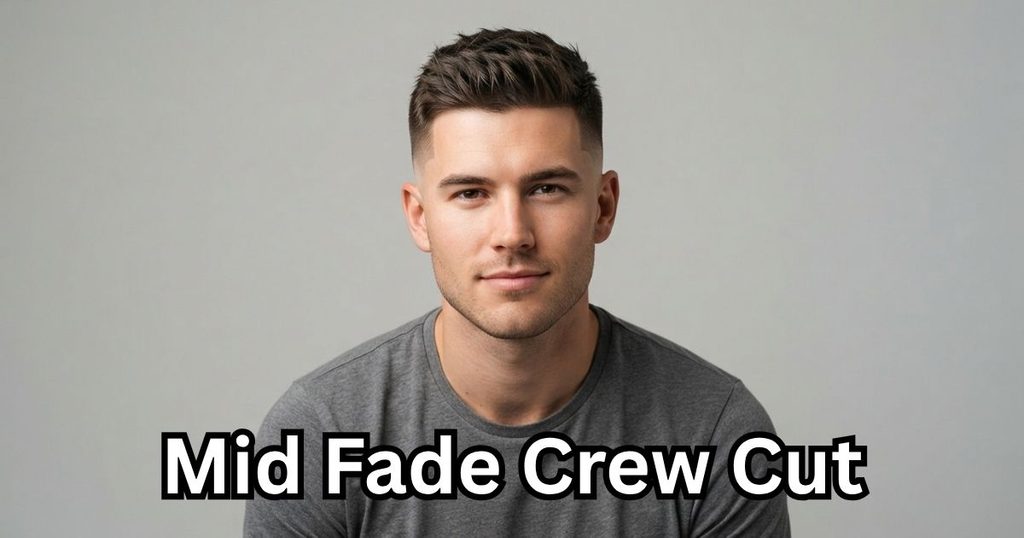
Sitting between a high and low fade, this version starts its blend around the middle of the head. It’s a balanced choice for guys who don’t want extremes.
Nearly every face shape handles a mid fade comfortably, and it works with fine, thick, or wavy hair alike. Pomade or wax both do the job. Plan on a trim every three weeks to keep the blend looking sharp.
Crew Cut Taper Fade
This pairs a gradual taper on the lower sides with a fade higher up, so the transition feels smooth rather than sudden. It’s subtle, but the detail shows.
Square and round faces look more defined with this combo, and it suits straight or wavy hair especially well. A light pomade finishes it off. Maintenance runs on the moderate side, fitting easily into work or formal settings.
Ivy League Crew Cut

A close cousin of the classic style, but with a touch more length on top for side-parting or light styling. Think preppy, not military.
Oval and heart faces wear it particularly well, and it flatters straight or slightly wavy hair. A comb and light gel create the part. It suits interviews, weddings, and other occasions where you want to look deliberate.
Spiky Crew Cut
The top gets pushed upward into short spikes, adding height and edge to an otherwise simple cut. It’s a small change that shifts the whole vibe.
Round and oval faces gain definition from the added height, and thicker hair holds spikes best. A strong gel or wax is non-negotiable here. Daily styling is required, but it suits nights out and casual weekends equally well.
Low Fade Crew Cut
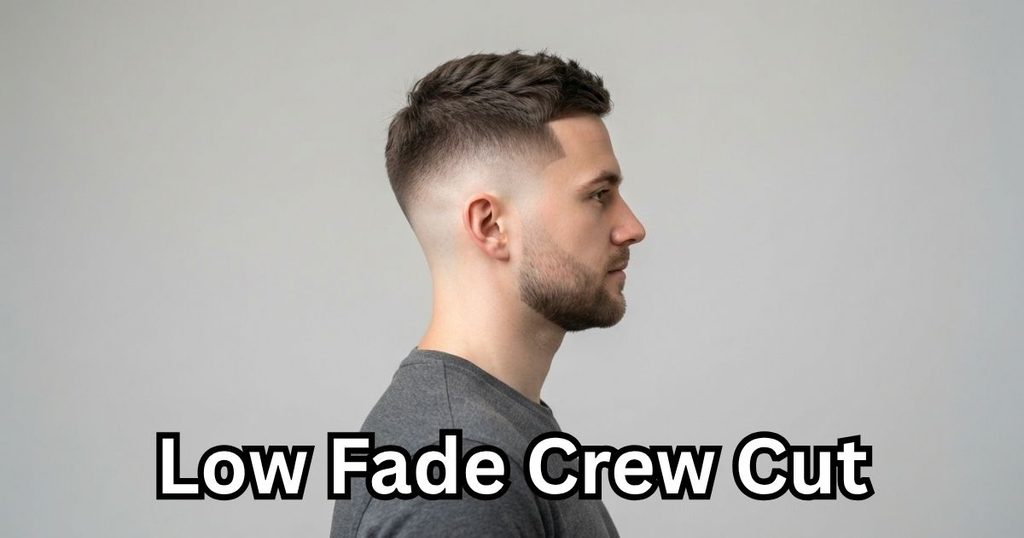
The blend stays close to the ear and neckline, keeping most of the head at a consistent length. It’s the subtlest of the fade options.
This one flatters nearly every face shape, and it works with fine or medium hair without much fuss. A light styling cream is usually enough. It needs less frequent touch-ups than higher fades, and suits conservative workplaces well.
Hard Part Crew Cut
A shaved line cuts a crisp division into the top, mimicking a natural part but with sharper definition. It’s a small detail that makes a big statement.
Oval and square faces show off the line best, and straight hair holds the part cleanest. Pomade with a comb keeps everything in place. Touch-ups on the line happen every one to two weeks, so factor that into your routine.
Crew Cut with Tapered Sides
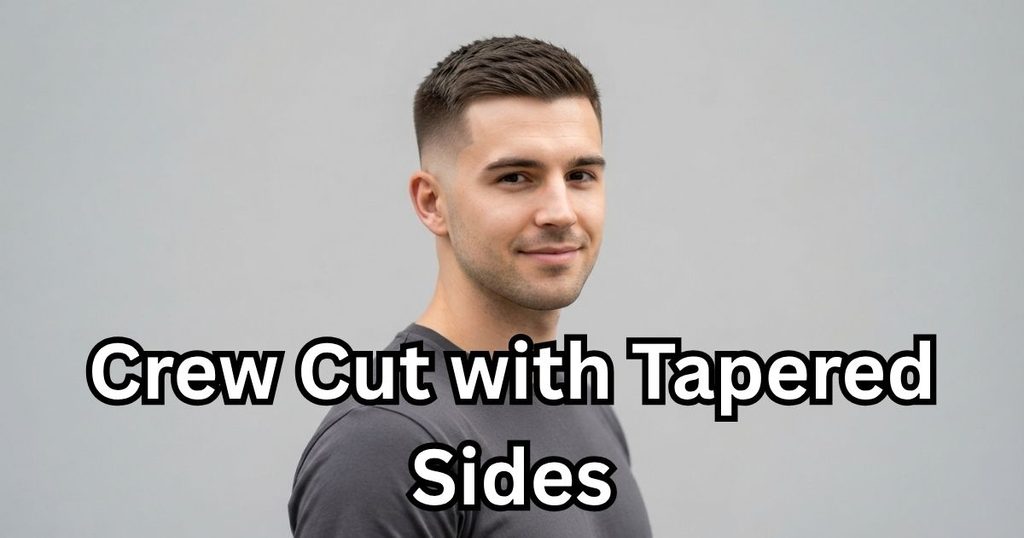
The sides narrow gradually from the bottom up, without the harder contrast of a fade. It’s a softer, more traditional finish.
Square and diamond faces benefit from the gentle slimming effect, and it works across most hair types. A light pomade is all you need. Maintenance stays low, making it a solid pick for busy schedules and everyday professionalism.
Thick Crew Cut with Skin Fade
Dense hair stays voluminous on top, while the sides get shaved down to bare skin for maximum contrast. The volume-versus-skin pairing is the whole point.
Round and square faces get extra definition from the sharp sides, and this style is basically made for thick or coarse hair. Matte clay controls the volume. Expect regular barber visits, since skin fades grow out fast.
Afro Crew Cut
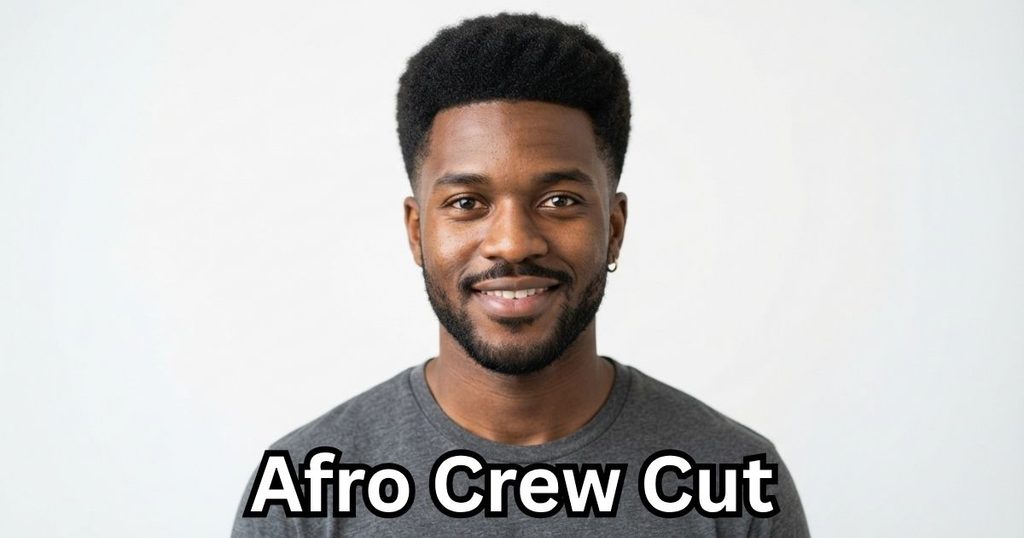
Natural curl pattern stays intact on top, cropped into a rounded, structured shape, while the sides stay tight and neat. It celebrates texture instead of fighting it.
Oval and round faces both suit the shape well, and it’s built specifically for coily or curly hair types. A curl cream or light oil defines each curl. Maintenance is moderate, and it moves easily from casual days to formal events.
Traditional Crew Cut with No Fade
No blending, no gradient, just a consistent length that tapers naturally into the neckline. This is the original, unfussy version of the cut.
Just about every face shape handles this one, and it’s especially forgiving for coarse or thick hair. Product is optional most days. It’s about as low-maintenance as haircuts get, and it works for nearly any occasion.
Messy, Short Crew Cut
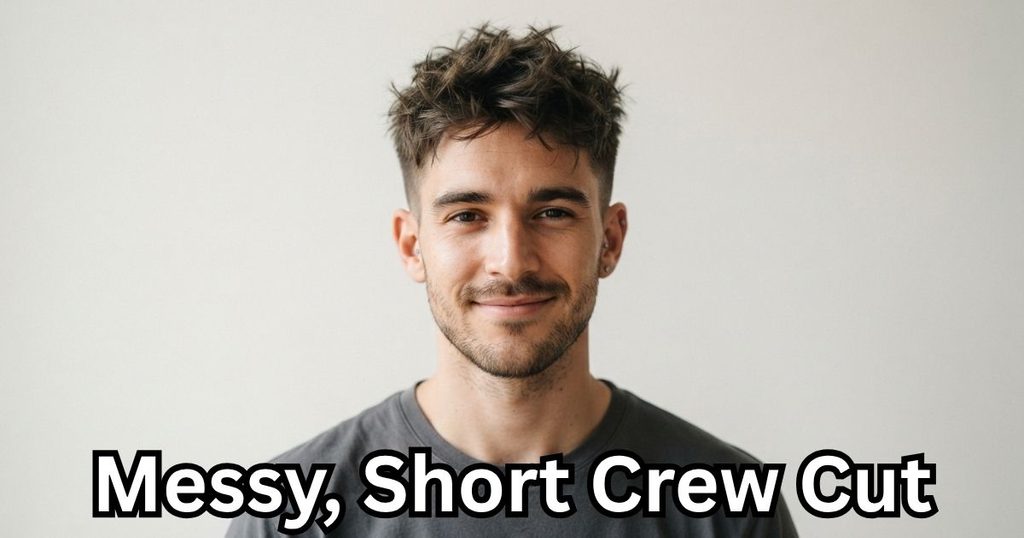
A shorter take on the messy style, where minimal length still gets pushed and pulled into a lived-in texture. Less hair, same relaxed attitude.
Round and square faces both work well here, and thick or coarse hair holds the texture longest. A pea-sized amount of paste does the trick. It’s quick to style and forgiving, ideal for gym days or casual weekends.
Crew Cut Fade with Beard
The fade on the sides gets mirrored by a groomed beard below, tying the whole look together from hairline to jaw. It’s a package deal, not two separate choices.
Square and oval faces benefit most from the framing effect, and it works with any hair type as long as the beard gets regular attention. Beard oil and a light pomade cover both bases. Plan for touch-ups on both the fade and the beard line every few weeks.
Brushed Back Wavy Crew Cut
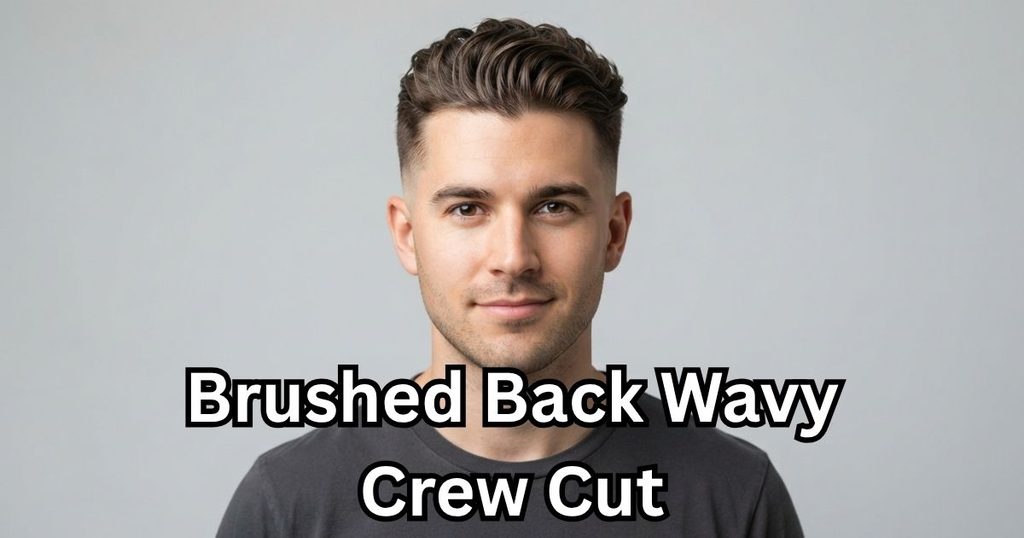
Longer top hair gets brushed straight back, letting natural waves show through instead of hiding them. It’s polished but not stiff.
Oval and heart faces suit the swept-back shape well, and it’s tailor-made for wavy hair. A blow dryer and light-hold cream set the direction. Daily styling takes a few minutes, and it works well for both office days and evening plans.
Military-Inspired Crew Cut
Short, uniform, and no-nonsense, this version leans into the cut’s original roots. Sides and top stay close, with barely any length to manage.
Every face shape handles this one without issue, and it suits thick or fine hair equally well. Product is rarely necessary. It’s about as easy as haircuts get, and it fits any setting from the gym to formal occasions.
Edgy Crew Cut with Short Fade
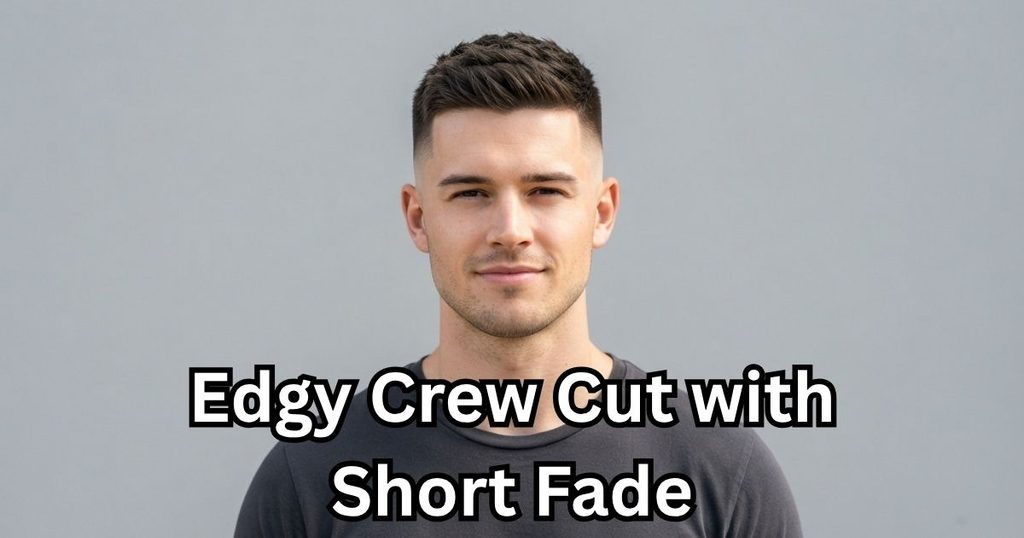
A tight, short fade meets sharp, deliberate lines on top, giving the cut a slightly harder edge than the classic version. It reads more street than boardroom.
Square and diamond faces get the most impact from the sharp contrast, and it works best with straight or wavy hair. Matte wax holds the definition. Fades need refreshing every two weeks, so keep that barber appointment on the calendar.
Side Swept Crew Cut Fade
The top gets combed and swept to one side, while the fade underneath keeps things tidy and controlled. It’s a small styling choice that changes the whole silhouette.
Oval and round faces balance out with the added asymmetry, and straight or lightly wavy hair sweeps most easily. A blow dryer plus light gel locks in the direction. Styling takes a few extra minutes, but it suits interviews and dressier occasions well.
Cropped Crew Cut with Shaved Line Design
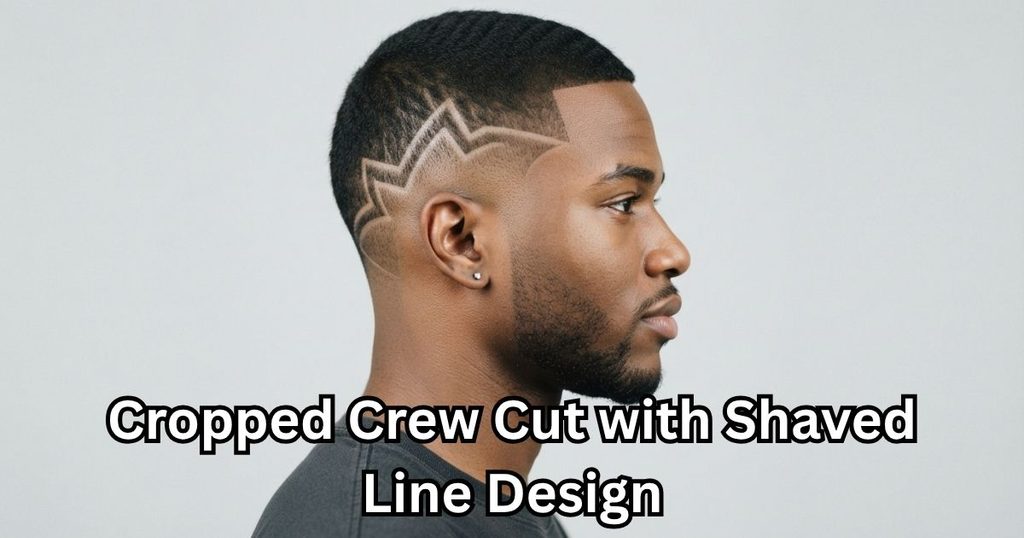
A short, cropped top pairs with a custom shaved design cut into the fade, turning a simple style into a personal statement. No two designs have to look alike.
Square and oval faces showcase the design best, and it works with straight or coarse hair. Light pomade keeps the top controlled while the design stays visible. Expect frequent trims, since the design blurs quickly as hair grows.
Drop Fade Crew Cut
Instead of a straight fade line, this one curves downward behind the ear, following the head’s natural shape. The curve adds a subtle, custom feel.
Round and oval faces benefit from the added angle, and it suits thick or wavy hair especially well. A light styling cream finishes the top. Touch-ups every two to three weeks keep the curve looking intentional rather than grown out.
Crew Cut with Pompadour Touch
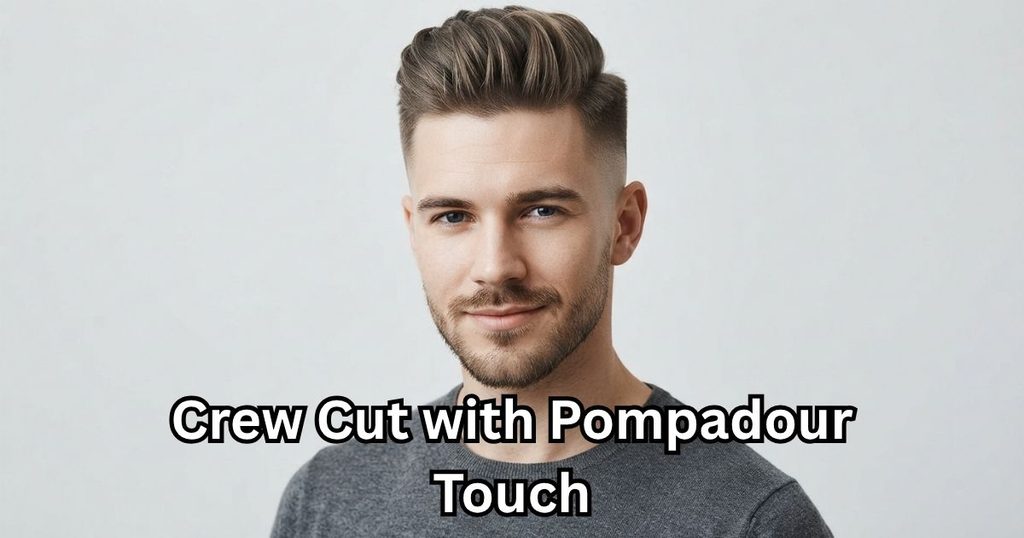
Extra length and volume get pushed upward and back at the front, borrowing the pompadour’s signature lift while keeping the sides short and tidy. Two classic styles, one cut.
Oval and square faces carry the height well, and thick, straight hair holds the lift longest. A strong pomade and blow dryer are essential tools here. Daily styling takes a few minutes, and the payoff works well for both work and formal events.
What Is The Crew Cut?
The crew cut is a short men’s hairstyle with tight, tapered sides and a slightly longer top, usually no more than an inch or two. It started in the late 1800s with rowing teams at Ivy League schools, who kept their hair short and practical for competition. The military later adopted it for the same reasons: easy to maintain, quick to clean up, and unlikely to get in the way.
Today, the crew cut has moved well beyond its practical roots. Barbers use it as a base for dozens of variations, from sharp skin fades to messy, textured tops. What hasn’t changed is the core idea. Keep the sides short, keep the top manageable, and let the cut do most of the work so you don’t have to.
Explore More Grooming Guides
Looking to round out your grooming routine? Check out our guides on choosing the right beard style for your face shape, picking a barber who actually listens, and building a simple hair care routine that doesn’t eat up your morning.
Also Read: Mid Taper Fade Haircut: Types, Styles, and Complete Guide for 2026
How To Style The Crew Cut?
Styling a crew cut doesn’t take long, and that’s kind of the point. Start with damp, towel-dried hair rather than soaking wet. Product distributes better and you’ll get more control over the final shape.
Work a small amount of pomade, wax, or clay between your palms first. Warming it up makes it easier to spread evenly, and you’ll avoid the greasy patches that come from applying it cold straight from the tub.
Comb or finger-style the top in the direction you want, whether that’s straight up, swept to one side, or left textured and undone. For extra hold on longer versions, a quick pass with a blow dryer on low heat sets the style before it has a chance to fall flat.
If your sides have a fade or taper, resist the urge to touch them with product. Let the contrast between the sharp sides and styled top do the visual work. Overloading the sides with wax just makes them look flat instead of clean.
One more thing worth knowing: less product is almost always better. You can always add more if the hold feels weak, but it’s a pain to fix hair that’s gone stiff or greasy from overdoing it.
The Evolution of the Crew Cut Hairstyles
The crew cut’s story starts with function, not fashion. Ivy League rowing teams in the late 1800s needed a cut that wouldn’t interfere with competition, and short, tapered hair fit the bill. The name itself comes from those rowing “crews.”
World War II cemented its reputation. Military regulations demanded short, easy-to-maintain hair, and the crew cut became the default look for millions of servicemen. That association stuck for decades, and the style carried a no-nonsense, disciplined image well into the 1950s and 60s.
Then came the counterculture shift of the late 1960s and 70s, when longer hair became a statement of its own, and the crew cut faded into the background as a symbol of an older generation.
It resurfaced in the 1990s and 2000s, this time reshaped by pop culture and sports figures who paired it with modern fades and sharper lines. Barbers started treating it less like a fixed style and more like a foundation, one that could flex with texture, fades, and beard pairings.
Now, the crew cut sits comfortably between its practical past and its current status as a genuinely versatile style. You’ll see it on athletes, executives, and anyone who wants a cut that looks intentional without demanding daily effort.
Our Opinion on the Crew Cut Hairstyle
The crew cut earns its staying power honestly. It’s not chasing a trend, and it doesn’t need one. Few styles offer this much flexibility while asking so little in return, whether you want something sharp for the office or textured for the weekend.
What stands out most is how well it adapts. A single base shape can turn into two dozen different looks depending on the fade, the texture, or a beard pairing, and that’s rare for a cut this simple. You won’t find yourself locked into one identity.
If you’re weighing a change, the crew cut is about as safe a bet as haircuts get. It suits nearly every face shape, most hair types, and just about any occasion you can think of. Talk to your barber about which variation fits your features, and you’ll likely walk out with a cut you can live with for months, not just weeks.
Final Thoughts
This guide to men’s crew haircuts covers a lot of ground, and that’s the point. The crew cut isn’t just one look. It’s a whole family of styles built on the same simple idea. You can go classic, go bold with a fade, or add texture for something more relaxed.
At the end of the day, the crew cut earns its reputation. It’s sharp, it’s low-maintenance, and it works for almost anyone. Talk to your barber, pick a version that fits your face and lifestyle, and you’ll walk away with a crew cut you’ll actually want to keep.
FAQs
What is a crew cut?
A crew cut is a short men’s hairstyle with tight, tapered sides and a slightly longer top. It’s simple, low-maintenance, and easy for any barber to recreate.
How short is a crew cut supposed to be?
Sides usually stay very short, almost buzzed, while the top runs about half an inch to two inches. Your barber can adjust the length to suit you.
Does a crew cut work for thick hair?
Yes, thick hair actually works great with a crew cut. The shorter length reduces bulk on top, so it looks neater and takes less time to style.
How often should you get a crew cut trimmed?
Plan on visiting your barber every two to four weeks. Fades and tapers grow out faster, so you’ll want touch-ups more often to keep things sharp.
Can you style a crew cut without product?
Absolutely, that’s part of the appeal. A classic crew cut looks clean straight out of the shower, though a little pomade adds extra hold if you want it.

Serena Luna, the voice behind JournalHair. I share the latest hairstyle ideas, haircut trends, and easy hair inspiration to help you find your perfect look every day.
