

A drop fade isn’t just another haircut. It’s a bold twist on the classic fade, one that curves down behind the ear before dropping toward the nape. That subtle dip is what makes the drop fade stand out from a standard fade. You get the same clean, sharp look up top, but the sides tell a different story. This cut works with your head shape instead of against it.
Barbers love the drop fade because it’s flexible. You can go low, mid, or high, depending on how bold you want to look. Curly hair, straight hair, thick hair, it doesn’t matter. The drop fade adapts to your texture and your style. It pairs well with a taper, a burst, or even a skin fade for extra contrast. Simple to maintain, easy to style, and always sharp. That’s the drop fade in a nutshell.
What Is a Drop Fade Haircut?
A drop fade curves behind the ear and drops toward the neckline, unlike a straight fade line. It follows your head’s natural shape instead of cutting straight across.
This style suits round, oval, and square faces especially well. It works with straight, wavy, or curly hair. You’ll want light pomade for hold, and monthly trims keep the shape sharp for both casual days and dressier occasions.
History and Evolution of the Drop Fade Haircut
The drop fade grew out of classic barbershop fades, gaining popularity through hip-hop culture and street style in the 2010s. Barbers started curving lines instead of keeping them straight.
Today it suits anyone chasing a modern edge, from teens to professionals. It flatters most face shapes and hair types. Light styling products and regular touch-ups keep it fresh for everyday wear or special events.
Why Choose a Drop Fade Haircut?
You get definition without going overboard. The drop fade adds shape around your ears and jawline, creating a look that feels tailored rather than generic or overly plain.
It works especially well if you have a square or oval face. Curly and straight hair both respond nicely. Matte clay keeps things textured, and it’s low-maintenance enough for work, weekends, or a night out.
Different Types of Drop Fade Haircuts
Not every drop fade looks the same. Barbers adjust the drop’s height, angle, and blend, giving you options that range from subtle to seriously eye-catching depending on your style.
Each version suits different face shapes and hair textures. Some pair better with curls, others with straight or wavy hair. Product choice and upkeep vary too, but most fit casual and formal settings equally well.
Low Drop Fade Haircut
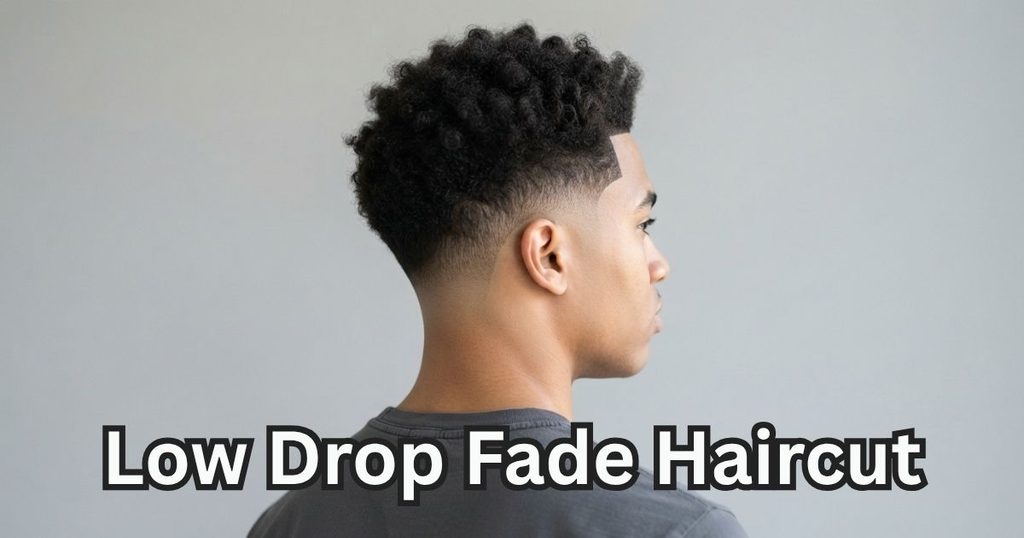
The low drop fade sits close to the ear, barely dipping below it. It’s subtle, keeps more length on the sides, and reads as understated rather than flashy.
Round and oval faces benefit most here. It suits straight or slightly wavy hair best. A light pomade adds shine without weight, and it’s easy to maintain, making it perfect for office settings or everyday wear.
Mid Drop Fade Haircut
Sitting between low and high, the mid drop fade offers balance. The drop is noticeable but not dramatic, giving you contrast without looking overly aggressive or severe.
This one flatters almost every face shape, including square and heart-shaped faces. It handles curly, wavy, or straight hair well. Matte paste works great, and trims every three to four weeks keep it crisp.
High Drop Fade Haircut
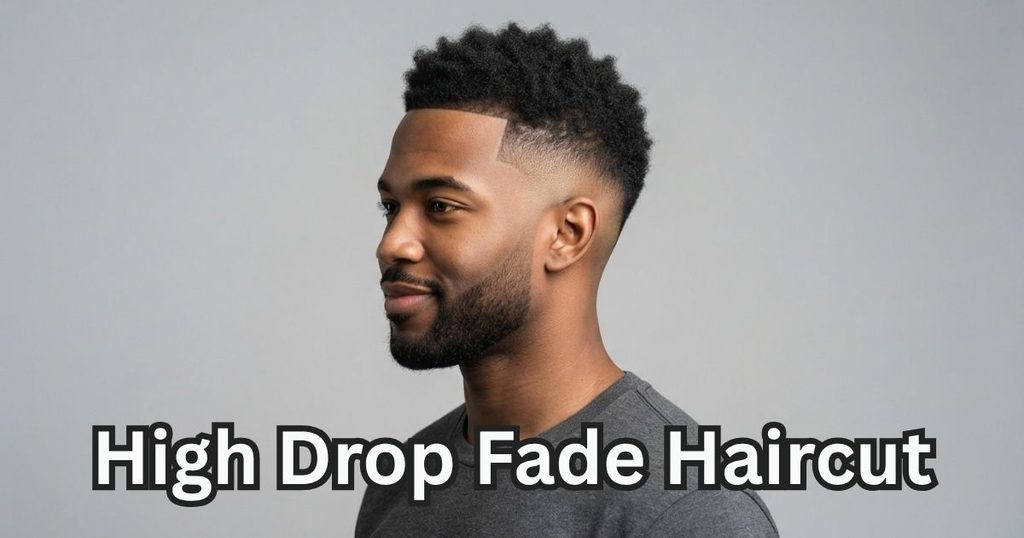
The high drop fade starts higher on the head and dips sharply, creating bold contrast. Think of it as the drop fade’s louder, more confident cousin.
Oval and diamond face shapes wear this one particularly well. Thick or curly hair holds the contrast beautifully. You’ll need stronger hold gel, and frequent trims matter since the fade grows out faster up top.
Curly Drop Fade Haircut
Curls add texture that a straight fade can’t replicate. The curly drop fade lets natural volume sit on top while the sides taper into a clean, curved line.
Round, oval, and square faces all work here since curls add balance. This style is obviously built for curly and coily hair. Curl cream and light gel help define texture, and touch-ups every three weeks keep curls contained.
Taper Drop Fade Haircut
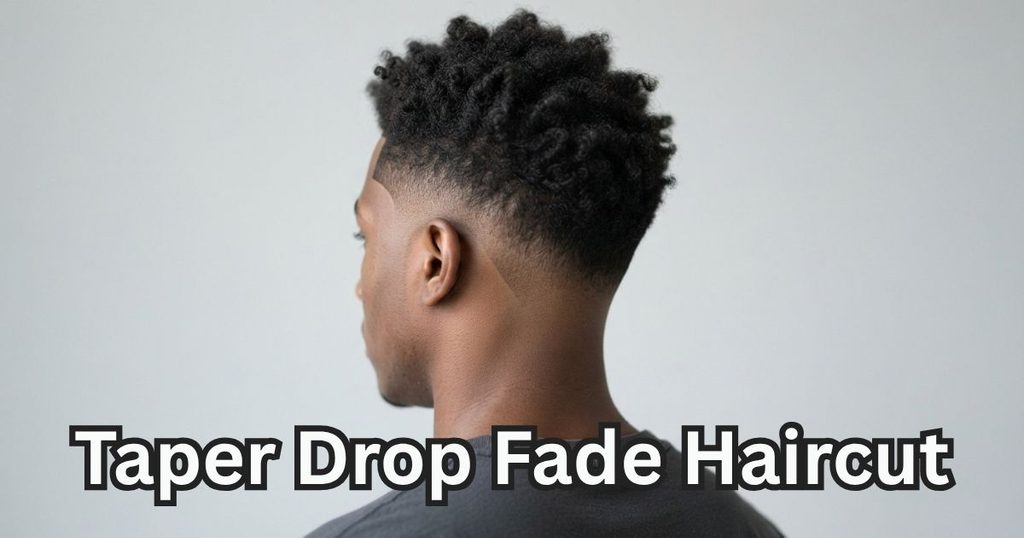
A taper drop fade blends gradually instead of cutting sharply, giving you a softer transition. It’s subtle, professional-looking, and doesn’t scream for attention.
This style flatters nearly every face shape, especially longer or oval faces. Straight and wavy hair suit it best. Light pomade keeps things neat, and it’s genuinely low-maintenance, ideal for workplaces with conservative dress codes.
Burst Drop Fade Haircut
The burst drop fade curves around the ear in a half-circle instead of following a straight drop line. It’s unexpected, a little edgy, and hard to miss.
Oval and round faces pair nicely with this shape. It works especially well with curly or coily hair textures. Textured cream adds definition, and you’ll want trims every two to three weeks to keep that curve sharp.
Skin Drop Fade Haircut
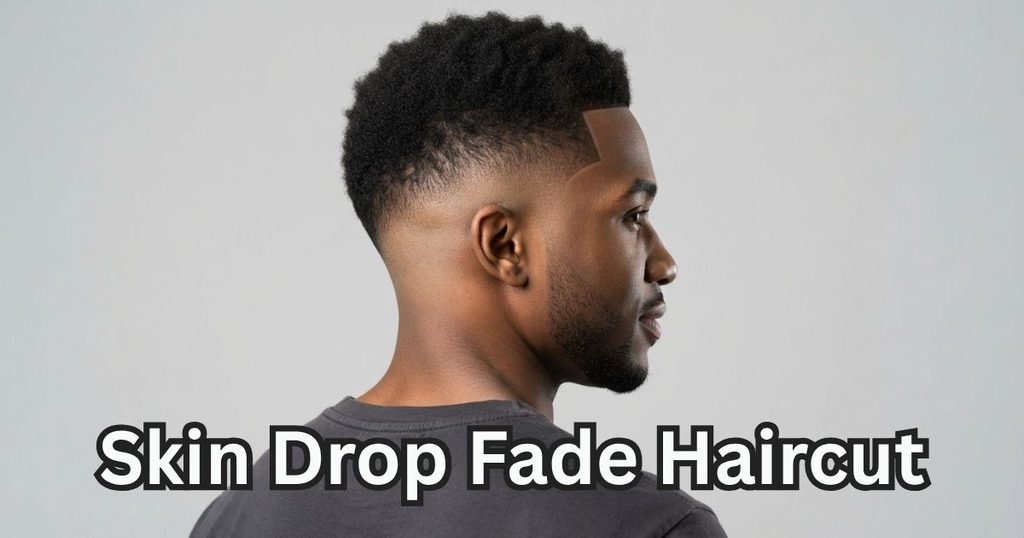
Also called a bald drop fade, this version fades all the way down to the skin. It’s the highest-contrast option, dramatic and unmistakably sharp from every angle.
Square and oval faces handle this bold contrast especially well. It suits any hair texture up top. You’ll need frequent barber visits, roughly every two weeks, since skin fades grow out noticeably fast.
How to Ask Your Barber for a Drop Fade Haircut
Bring a photo and mention the drop height you want, low, mid, or high. Point to where you’d like the curve to sit behind your ear.
This conversation matters no matter your face shape or hair type. Mention any styling products you already use so your barber can tailor the cut. Ask about maintenance too, so you know what regular trims involve.
Best Face Shapes for a Drop Fade Haircut
Oval and square faces handle almost any drop fade variation without issue. Round faces benefit from higher drops that add length, while heart-shaped faces do well with lower ones.
| Face Shape | Best Drop Fade Style |
| Oval | Any variation |
| Round | High drop fade |
| Square | Low or mid drop fade |
| Heart | Low drop fade |
| Diamond | Mid or high drop fade |
Styling Tips for Drop Fade Haircuts
Start with damp hair and a small amount of product, working from roots to ends. Overdoing it makes hair look greasy instead of textured or defined.
Curly types should reach for curl cream, while straight hair does better with matte clay. Reapply product on humid days. Think beach day texture, not stiff, sprayed-down helmet hair that won’t move.
Also Read: Warrior Cut Guide: Styles, Fades, and Barber Tips for 2026
Maintenance and Trims for Drop Fade Haircuts
Drop fades need regular upkeep to stay sharp, especially near the hairline. Skin fades grow out fastest, while low fades give you a bit more breathing room.
Book trims every two to four weeks depending on your fade height. Between visits, use a beard trimmer for quick touch-ups around your neckline. Regular scalp moisturizing also keeps everything looking healthy.
Drop Fade Haircut vs. Other Fades
Drop fades stand apart because of that signature curve behind the ear. Other fades keep things straighter, which changes both the look and how the cut ages between trims.
Your hair type and face shape often decide which fade suits you better. Curly hair tends to favor drop and burst styles. Straight hair often looks cleaner with tapers or classic low fades.
Drop Fade vs. Low Fade
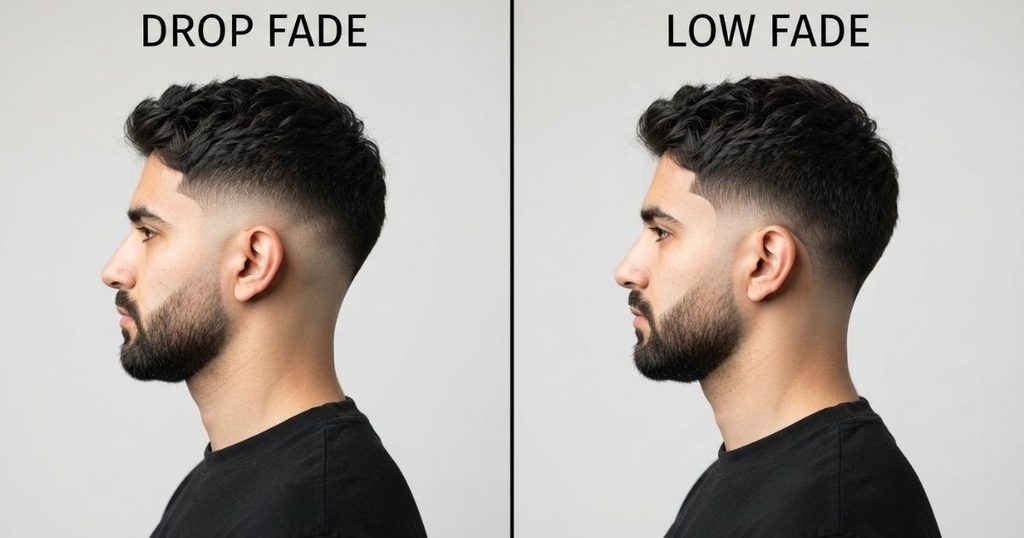
A low fade keeps its line straight and close to the head, while the drop fade curves downward behind the ear for extra shape and detail.
Both suit round and oval faces nicely. Low fades work great for straight hair seeking subtlety. Drop fades bring more personality to curly or wavy textures, and both need similar three-to-four-week maintenance schedules.
Drop Fade vs. Taper Fade
Taper fades blend gradually with no sharp lines, offering a softer, more traditional look. Drop fades create visible contrast with that distinctive curved drop near the ear.
Tapers suit conservative settings and straight hair especially well. Drop fades fit curly hair and bolder personal styles. Taper fades typically need less frequent trims than a sharper drop fade.
Drop Fade vs. Burst Fade
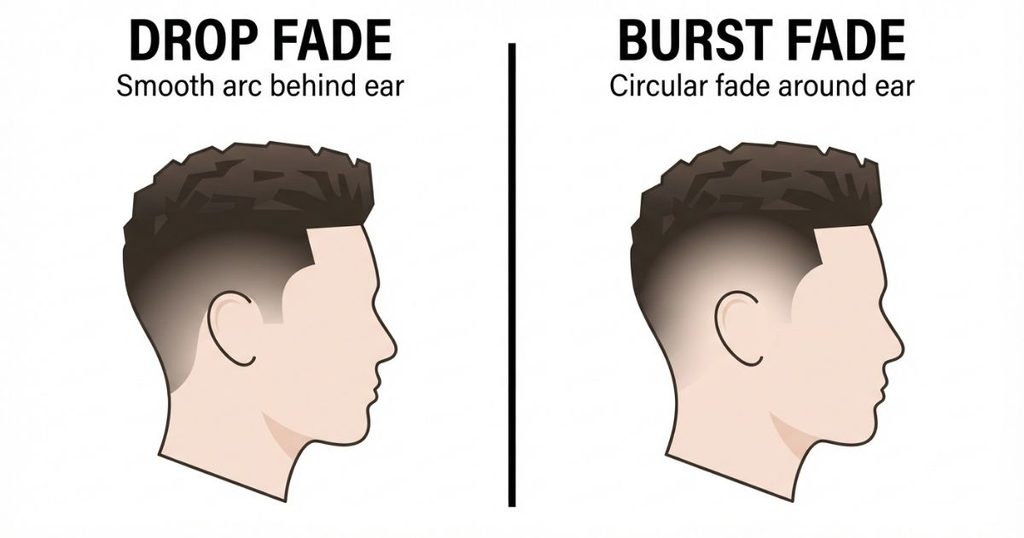
Burst fades curve in a full circle around the ear, while drop fades follow a single downward curve toward the nape instead of wrapping completely around.
Round faces often favor burst fades for their circular shape. Square and oval faces handle drop fades well too. Both styles suit curly hair, though burst fades demand slightly more frequent upkeep.
Final Thoughts
A drop fade haircut isn’t a passing trend. It’s a versatile style that adapts to your face shape, your hair type, and your personal taste. Whether you go low, high, curly, or skin, the drop fade delivers sharp results every time.
Talk to your barber. Show a photo. Ask for the drop height you want. Keep up with trims, use the right products, and your drop fade will stay fresh for weeks. Simple choice, sharp payoff. That’s what makes the drop fade worth trying.
FAQs
What is a drop fade haircut?
A drop fade curves behind your ear and drops down toward your neckline. It follows your head’s natural shape instead of a straight fade line.
How often should I get a drop fade trimmed?
Most people need trims every two to four weeks. Skin fades grow out faster, so you’ll want more frequent visits to keep things sharp.
Does a drop fade work with curly hair?
Yes, drop fades look great with curly hair. The curve adds shape while your curls stay full on top, creating nice contrast and texture.
Can I style a drop fade at home?
Absolutely. Use a light pomade or clay on damp hair. Work it through with your fingers, then let it air dry for natural texture.
Is a drop fade good for round faces?
Round faces usually look best with a high drop fade. The extra height adds length and helps balance out fuller, rounder cheeks nicely.

Serena Luna, the voice behind JournalHair. I share the latest hairstyle ideas, haircut trends, and easy hair inspiration to help you find your perfect look every day.
