

A low fade haircut kids style keeps a boy’s haircut neat without making it look too grown-up. It gently tapers the hair around the ears and neckline while leaving more length on top. That balance makes the cut easy to style and comfortable for everyday wear. A low fade haircut kids style also works well for school, family events, and busy weekends.
You can pair this haircut with curls, waves, straight hair, or a textured top. The low fade stays clean while the top gives your child room to show personality. For younger boys, a low fade haircut kids style can make the first salon visit feel simple and manageable. Older boys can add a side part, crop, or curly top for extra character. Best of all, this cut grows out neatly with regular touch-ups.
What Is a Low Taper Fade for Kids & Boys?
A low taper fade keeps the hair around the ears and neckline gradually shorter while leaving the rest fuller. It creates a clean shape without looking overly mature.
This cut suits toddlers through teens because you can adjust the top length easily. It works across most face shapes and hair textures with minimal daily styling.
How Does a Low Taper Fade Actually Work?
The barber gradually shortens hair around the sideburns, ears, and neckline. The taper starts low, creating a subtle transition instead of removing too much hair.
You can keep the top curly, straight, wavy, or textured. A low taper needs regular touch-ups every few weeks to maintain its clean outline.
What Is the Difference Between a Taper and a Fade?
A taper gradually shortens selected areas around the sideburns and neckline while leaving more surrounding hair untouched. It creates a softer, less dramatic change overall.
A fade usually blends the sides much shorter across a wider area. For younger boys, a taper often feels more natural, flexible, and school-friendly.
What Makes the Low Taper Fade Different from Mid and High Fades?
A low taper keeps the shortest section close to the ears and neckline. That placement preserves more hair on the sides while still creating noticeable shape.
Mid and high fades climb farther upward, producing a stronger contrast. Low tapers work especially well when parents want neatness without an extremely short appearance.
Why Is the Low Taper Fade So Popular for Boys Right Now?
The low taper fade has become a favorite because it combines modern barbering with an easygoing shape. Boys can personalize the top without changing the clean sides.
Parents also appreciate its flexibility for school mornings, family gatherings, sports, and photographs. Regular maintenance keeps the haircut polished without demanding complicated styling routines.
The TikTok Effect: How a Viral Meme Made Every Kid Want This Haircut
Social media helped turn the low taper into a recognizable youth hairstyle. Short videos, memes, and barber transformations made the look especially appealing to boys.
That said, trends move quickly. Choose a version that fits your child’s hair, school rules, and personality instead of copying every viral haircut exactly.
Why Parents Love This Haircut Too
Parents often prefer cuts that look tidy without requiring twenty minutes of morning styling. The low taper checks that box while leaving enough length for personality.
It also grows out more naturally than extremely high fades. With a little styling cream or leave-in conditioner, most boys can manage the top easily.
What Are the Best Low Taper Fade Styles for Kids & Boys in 2026?
Today’s best low taper styles range from short crops to curls, waves, textured tops, and classic side parts. Each version creates a different personality without changing the basic taper.
The right choice depends on hair texture, face shape, age, and school expectations. Think practical first, then add personality where the haircut allows it.
1. Low Taper Fade with Textured Crop

A textured crop keeps the top short, choppy, and easy to manage. The low taper cleans the edges while the textured finish gives straight or wavy hair movement.
This style suits oval, round, and square faces particularly well. Use a small amount of matte styling cream, then refresh it quickly before school or outings.
2. Low Taper Fade with Curly Top
A curly top lets natural texture become the main feature while the low taper keeps the edges controlled. The contrast looks fresh without making curls feel restricted.
Curly and mixed-texture hair benefits most from lightweight leave-in conditioner and curl cream. This cut suits oval, heart, and round faces with regular shape-ups.
3. Low Taper Fade with Comb Over
A comb-over gives the low taper a polished finish without making the haircut feel too formal. Keep the top moderately long so the part can move naturally.
Oval and square faces handle this style especially well. A lightweight styling cream provides control without stiffness, making it suitable for school, events, and family photos.
4. Low Taper Fade with Pompadour

A pompadour adds noticeable height on top while the low taper keeps the lower edges neat. It creates a playful statement when your child enjoys bigger hairstyles.
This version works best with medium or thick hair and oval faces. Use a lightweight volume mousse rather than heavy gel to avoid crunchy, flattened hair.
5. Low Taper Fade with Buzz Cut
A buzz cut creates an exceptionally simple top while the low taper adds subtle shape around the edges. It is ideal for boys who dislike lengthy styling routines.
Most face shapes can wear this practical combination with small adjustments to top length. Maintenance stays easy, making it useful for sports, summer, school, and vacations.
6. Low Taper Fade with French Crop
The French crop pairs a short textured top with a forward fringe and tidy tapered edges. It looks structured while remaining simple enough for everyday childhood routines.
Straight and slightly wavy hair works particularly well here. Matte clay adds texture, while oval, square, and round faces can benefit from carefully adjusted fringe length.
7. Low Taper Fade with Mohawk / Faux Hawk
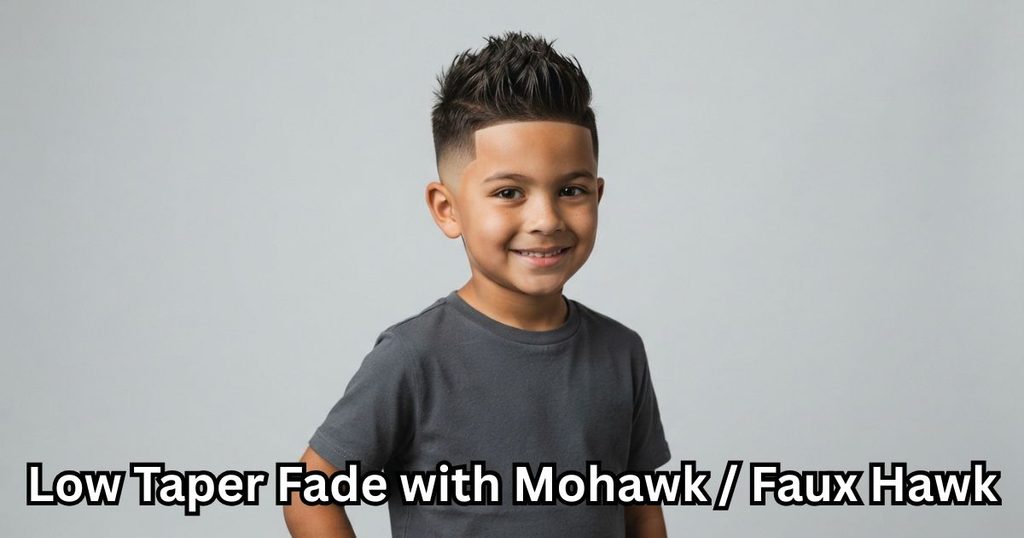
A low taper with a faux hawk creates extra attitude through the center section. The sides stay relatively full, so the result feels less extreme than traditional mohawks.
This cut suits confident boys with thick, straight, wavy, or curly hair. A flexible styling paste keeps the center lifted for parties, weekends, or casual school days.
8. Low Taper Fade with Side Part
A side part brings classic structure to a modern low taper. It works especially well when your child needs a haircut that transitions easily between school and formal occasions.
Oval and square faces suit this balanced shape. Use a light styling cream or soft pomade for control, then comb the part gently rather than forcing it.
9. Low Taper Fade with Afro Top (for Black Kids)
An afro top keeps natural volume prominent while the low taper cleans the perimeter. The result celebrates texture without sacrificing a tidy finish around the ears and neckline.
This option works beautifully with coily and 4C textures. Moisturizing leave-in products help maintain softness, while regular edge maintenance keeps the shape defined.
10. Low Taper Fade with Broccoli Cut
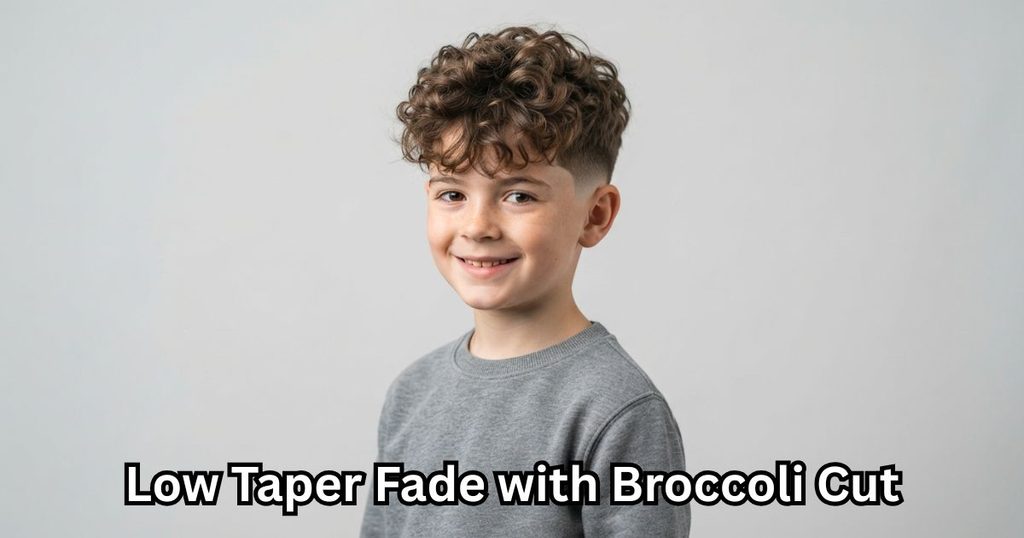
The broccoli cut combines a rounded, fluffy top with tapered sides. Its playful texture gives younger boys plenty of personality while keeping the lower edges noticeably cleaner.
Curly and wavy hair naturally creates the needed volume. Use lightweight curl cream rather than heavy gel, especially when the style needs to survive active afternoons.
11. Low Taper Fade with Crew Cut
A crew cut keeps the top short and practical while the low taper creates a smoother transition around the sides. It is an excellent low-maintenance choice.
This style suits active boys and most face shapes. A tiny amount of matte paste can add definition, though many kids can simply towel-dry and go.
12. Low Taper Fade with Slicked-Back Top
A slicked-back top gives the low taper a cleaner, more mature finish. Keeping the sides low prevents the overall style from becoming too dramatic for younger boys.
Medium and thick straight hair works best. Choose a lightweight water-based pomade for control, especially when the haircut needs to last through special occasions.
13. Low Taper Fade with Spiky Top
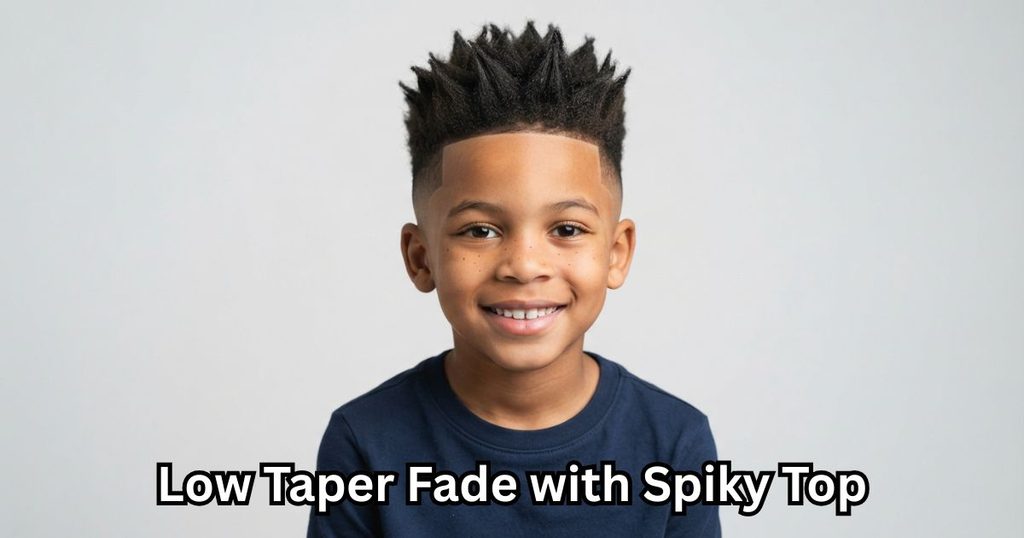
A spiky top adds playful texture without requiring an extreme haircut. The low taper keeps the edges controlled, creating a fun shape that younger boys often enjoy.
Straight and thick hair holds spikes particularly well. Use a small amount of flexible styling paste and avoid stiff products that can make the hair feel uncomfortable.
14. Low Taper Fade with Modern Mullet
A modern mullet keeps extra length toward the back while the low taper cleans the sides. This combination gives adventurous boys a noticeable style without an aggressive fade.
Wavy and straight hair can showcase the shape beautifully. Oval and longer faces suit the proportions, while lightweight texture spray keeps the back looking natural.
15. Low Taper Fade with 360 Waves (for Black Boys)
A low taper pairs naturally with 360 waves because it keeps the perimeter clean while preserving the patterned texture across the top. The result looks intentional and sharp.
This style requires patience, brushing, moisture, and regular maintenance. It works best for suitable tightly textured hair and should prioritize scalp comfort over forcing wave formation.
Which Low Taper Fade Works Best for Your Child’s Hair Type?
Hair texture changes how a low taper looks, feels, and behaves after leaving the barbershop. Choosing the right top style prevents unnecessary products, frustration, and morning battles.
Curly, straight, wavy, thick, fine, and coily hair can all work. The barber simply needs to adjust length, texture, and finishing techniques around natural growth patterns.
Low Taper Fade for Curly Hair Boys
Curly hair looks lively with a slightly longer top and clean tapered edges. Keeping curls intact creates contrast while preventing the haircut from looking overly controlled.
Oval and heart-shaped faces suit this shape especially well. Use leave-in conditioner and curl cream, then air-dry naturally instead of brushing curls into a frizzy cloud.
Low Taper Fade for Straight Hair Boys
Straight hair gives you plenty of styling choices, from crops and side parts to comb-overs. The low taper adds shape without needing complicated texture work.
Fine straight hair benefits from lightweight volumizing products. Oval, square, and round faces can all wear the style when the barber adjusts top length carefully.
Low Taper Fade for Wavy Hair Boys
Wavy hair naturally creates movement on top, making it perfect for textured crops and casual fringes. The low taper keeps the perimeter controlled while preserving that natural bend.
A lightweight sea-salt spray can enhance texture when needed. Avoid heavy waxes that flatten waves, especially for active boys who spend afternoons outside.
Low Taper Fade for Thick Hair Boys
Thick hair provides plenty of styling freedom, but too much bulk can quickly become unruly. A low taper removes edge weight while leaving useful length on top.
Texturizing scissors can help manage excessive fullness when appropriate. Matte cream or lightweight clay provides control without making thick hair look greasy or stiff.
Low Taper Fade for Fine Hair Boys
Fine hair benefits from a carefully shaped top that creates the appearance of greater fullness. Avoid removing too much length because that can make sparse areas more obvious.
A volumizing mousse or lightweight texture cream can add body. Short crops, crew cuts, and subtle side parts usually work particularly well.
Low Taper Fade for Black Kids (Afro / 4C Hair)
Afro and 4C textures offer impressive volume and definition when properly moisturized. A low taper frames that texture around the ears and neckline without removing the natural character.
Moisturizing leave-in conditioner helps prevent dryness and breakage. Choose styles based on comfort, growth patterns, and texture rather than forcing a trend onto the hair.
What Is the Best Low Taper Fade for Each Age Group?
Age matters because toddlers, school-age boys, and teenagers have different comfort levels, routines, and styling needs. A good haircut should fit the child’s lifestyle first.
Younger children usually benefit from simpler shapes and shorter styling routines. Older boys can experiment with texture, parts, waves, longer tops, and trend-driven finishes.
Baby Taper Fade: Is It Appropriate for Babies Under 2?
Babies under two rarely need a complicated taper. If hair naturally grows unevenly, a simple trim around the ears and neckline may provide enough neatness.
Comfort should always come first at this age. Choose a patient barber, keep the session short, and avoid forcing a haircut if your baby becomes distressed.
Toddler Taper Fade (Ages 2–5): What Works Best?
Toddlers usually do best with simple tapers, short crops, or lightly textured tops. These styles look tidy without requiring daily products or lengthy styling sessions.
Round and oval faces can handle many variations. Choose gentle, fragrance-free products when needed, and schedule maintenance around your child’s growth rather than a rigid calendar.
Little Boy Taper Fade (Ages 5–7) Playful But Neat
Boys ages five through seven can handle more personality while still benefiting from practical shapes. Textured crops, curls, side parts, and short faux hawks work nicely.
Consider school rules before choosing dramatic details. Lightweight styling cream keeps the top manageable, while regular trimming prevents the haircut from becoming messy during active play.
School-Age Boys Taper Fade (Ages 8–12) The Core Audience
School-age boys often want trendy hair without creating problems with teachers or parents. Low tapers offer that balance by keeping the sides neat and the top flexible.
This age group can experiment with crops, curls, waves, and side parts. Choose products that wash out easily because nobody needs mystery hair gel on pillowcases.
Teen Taper Fade (Ages 13–17) Style-Driven Choices
Teenagers often want more freedom with their haircut, especially when social media influences current trends. A low taper lets them personalize the top without committing to extreme sides.
Teens can experiment with textured crops, waves, mullets, and styled fringes. The best choice still depends on school rules, face shape, hair type, and maintenance willingness.
Quick Age Reference Guide
Ages two through five generally suit simple tapers and short tops. Ages five through twelve can handle more texture while keeping school requirements in mind.
Teenagers have the widest styling range, from waves to mullets and textured crops. Regardless of age, comfort, hair health, and personal preference should guide the final decision.
Which Low Taper Fade Suits Your Child’s Face Shape?
Face shape can help narrow down top length, volume, and fringe choices. It doesn’t create strict rules, but it offers useful guidance when several styles look appealing.
The goal is balance rather than perfection. A skilled barber can adjust the top and taper placement slightly to complement your child’s natural proportions.
Low Taper Fade for Round Faces
Round faces often benefit from extra height or texture on top because those details create a longer visual shape. A low taper keeps the sides controlled.
Textured crops, faux hawks, and side parts work especially well. Avoid excessive width around the sides, and use lightweight matte products to keep the top lifted.
Low Taper Fade for Oval Faces
Oval faces offer exceptional flexibility because their proportions already look balanced. Almost any low taper variation can work when the top matches your child’s hair texture.
Crops, curls, side parts, waves, and longer styles all fit comfortably. Choose based on personality and maintenance rather than worrying about strict face-shape limitations.
Low Taper Fade for Square Faces
Square faces already have strong angles, so softer texture can create an appealing contrast. A low taper keeps the edges clean without exaggerating the jawline.
Wavy tops, textured crops, and side parts work particularly well. Matte cream adds separation without creating an overly rigid finish around naturally strong facial features.
Low Taper Fade for Heart-Shaped Faces
Heart-shaped faces typically look balanced with some fullness toward the sides and controlled height on top. A low taper naturally supports that softer proportion.
Curly tops, textured crops, and side parts can work beautifully. Avoid excessive height if it makes the forehead appear noticeably wider than the lower face.
How Do You Tell the Barber What Low Taper Fade You Want?
Clear instructions prevent the classic barbershop surprise where “just a little off” somehow becomes dramatically shorter. Bring a reference photo and explain the taper placement clearly.
Mention your child’s preferred top length, natural texture, school restrictions, and maintenance tolerance. A good consultation should feel like teamwork rather than a guessing game.
The Complete Parents’ Barber Scripts
Tell the barber, “Keep the taper low around the ears and neckline, but leave enough length on top for styling.” Then describe your preferred top shape.
You can also mention curls, waves, a crop, or a side part. Show one or two photos so the barber understands the exact proportions.
Essential Questions to Ask the Barber Before the Cut
Ask how short the taper will go, how often the haircut needs maintenance, and whether the chosen top works with your child’s texture.
For younger children, ask about comfort and session length too. A good barber should explain the plan clearly before picking up the clippers.
What NOT to Say at the Barbershop
Avoid vague requests such as “Make it cool” or “Give him something trendy.” Those phrases leave too much room for interpretation and can produce unexpected results.
Don’t assume every reference photo works for your child’s hair. Explain what you like about the picture and let the barber adapt it appropriately.
How Do You Maintain a Low Taper Fade for Kids at Home?
Home maintenance doesn’t need to become a second job. Keep the hair clean, moisturized when necessary, gently styled, and protected from unnecessary heat or harsh products.
Most parents only need a few minutes each morning. Regular barber visits handle the shape, while simple home care keeps the haircut looking fresh between appointments.
The Complete Weekly Home Maintenance Routine
Wash according to your child’s hair type rather than following a rigid schedule. Condition textured or curly hair regularly to maintain softness and manageability.
Check the neckline and around the ears during the week. Use a soft brush or comb, then apply a small amount of suitable styling product when needed.
How to Do a Quick At-Home Touch-Up Between Barber Visits
Small cleanup around the neckline can make a growing haircut look neater. However, parents should avoid attempting detailed fade work without proper experience.
Use professional barber visits for major shaping. Between appointments, focus on washing, combing, moisturizing, and keeping stray hairs controlled rather than chasing perfect lines.
How to Keep Curly Hair Looking Fresh Between Trims
Refresh curls with water and a small amount of leave-in conditioner. Scrunch gently instead of brushing dry curls because that can create unnecessary frizz.
A low taper keeps the edges tidy while the curls remain natural. Protecting moisture matters more than making every curl perfectly defined each morning.
Signs It Is Time for a Barber Visit
When the taper loses its shape around the ears or neckline, the haircut usually needs attention. Rapid growth can make this happen sooner for some boys.
You may also notice the top becoming difficult to style or the sides looking bulky. Regular touch-ups keep the overall shape intentional and manageable.
How Much Does a Kid’s Low Taper Fade Haircut Cost?
Kids’ taper fade prices vary widely by location, barber experience, shop type, and haircut complexity. A simple taper usually costs less than detailed designs or advanced styling.
Ask about the full price before booking, especially if your child needs extras. Prices can also differ between children’s specialists, traditional barbers, and premium shops.
Kids Taper Fade Price Breakdown
A basic kids taper generally costs less than a detailed haircut requiring extensive texture work, styling, or additional design elements. Local pricing makes comparison important.
Before booking, ask whether shampooing, styling, or extra services cost more. Knowing the final price prevents awkward surprises when the haircut is finished.
Smart Ways to Save Money on Kids’ Taper Fades
Choose a reliable neighborhood barber instead of paying premium prices solely for a trendy shop. Simple styles also require less time and often cost less.
Maintain the haircut at home between professional visits without attempting risky clipper work. Booking siblings together may also help some families reduce travel and scheduling hassles.
Is a Low Taper Fade Haircut School-Appropriate for Boys?
A low taper is generally among the easier fade styles to adapt for school because it keeps the shortest section low and avoids dramatic shaved patterns.
However, every school has different rules. Check the current dress code before choosing the haircut, especially if your child attends a strict school.
What Most School Dress Codes Say About Fade Haircuts
School rules can address hair length, shaved designs, extreme styles, or overall neatness. The exact requirements depend on the school rather than the haircut’s name.
Don’t rely on social media advice for school compliance. Read the current policy or contact the school directly before choosing a more noticeable variation.
The Safest Low Taper Fade Choices for Strict Schools
Choose a subtle taper with a moderate top and no shaved patterns when school rules are strict. A crew cut, crop, or side part offers extra simplicity.
Avoid dramatic contrasts, etched designs, and exaggerated heights if approval is uncertain. You can always add more personality during school holidays.
School-Safe Fade Checklist for Parents
Before the appointment, check taper height, top length, shaved details, and overall neatness against your school’s rules. A quick policy review can prevent an unnecessary redo.
Choose washable styling products and practical top lengths for busy mornings. If you’re unsure, show the barber the school’s requirements before the haircut begins.
Also Read: Low Taper Fade Curly Hair Black: 50 Trendy Styles to Try Now
How Do You Prepare Your Child for Their First Taper Fade Haircut?
A first haircut can feel exciting for one child and completely overwhelming for another. Preparation helps your child understand what will happen before the clippers start.
Keep expectations realistic and bring a familiar toy or comfort item when appropriate. A calm visit matters more than achieving a picture-perfect haircut.
Step-by-Step First Barbershop Visit Preparation
Explain the haircut using simple words and avoid promising that nothing will feel strange. Show your child photos so they understand the general result.
Choose a patient barber, schedule the appointment when your child isn’t exhausted, and allow extra time. A relaxed start can make the entire visit easier.
Low Taper Fade for Kids with Sensory Sensitivity
Children with sensory sensitivities may dislike clipper vibrations, loose hair, bright lights, or unfamiliar sounds. Discuss these concerns with the barber before the appointment begins.
Consider shorter sessions, breaks, scissors-first techniques, or quieter tools when available. Never force a distressed child through the experience just to finish the haircut.
What Are the Best Styling Products for a Kids’ Low Taper Fade?
Kids usually need fewer styling products than adults. Start with gentle basics such as leave-in conditioner, lightweight curl cream, or a small amount of matte styling cream.
Avoid heavy buildup that makes hair greasy or difficult to wash. The best product should support the child’s natural texture instead of fighting it.
Product Recommendations by Hair Type
Curly and coily hair usually benefits from leave-in conditioner and lightweight curl cream. Straight or fine hair often needs a volumizing mousse or light texture cream.
Thick hair may handle matte paste or clay in small amounts. Always start with less product because adding more takes seconds while removing buildup takes longer.
Products to Always Avoid for Kids’ Hair
Avoid products that irritate the scalp, create heavy buildup, or contain strong fragrances that bother your child. Adult-strength styling products aren’t automatically better for younger hair.
Skip excessive hairspray, very stiff gels, and heavy waxes when a lighter option works. Keep styling simple, washable, and appropriate for your child’s age.
What Are the Best Father-Son Matching Low Taper Fade Ideas?
Father-son matching haircuts don’t need to look identical. Match the taper placement while adjusting top length, texture, and styling to suit each person’s hair.
A short crop, side part, crew cut, or curly top can create a coordinated look. Keep each haircut age-appropriate so nobody feels like they’re wearing a costume.
What Is the Best Low Taper Fade for Each Season?
Summer favors shorter tops and easy styling because heat, sweat, and outdoor activity can make longer hair harder to manage. A simple taper keeps things breezy.
During colder months, leave extra length for warmth and styling variety. Spring and fall offer flexibility, making textured crops, curls, waves, and side parts easy choices.
Final Thoughts
Low Fade Haircut Kids: The Complete Guide to Stylish Boys’ Haircuts shows how flexible this look can be. A low fade haircut kids style keeps the sides neat while leaving room for curls, waves, crops, or classic tops. It can suit toddlers, school-age boys, and teens with simple adjustments.
The best low fade haircut kids style should match your child’s age, hair type, face shape, and school rules. Keep maintenance simple and choose gentle styling products. Most importantly, make sure your child feels comfortable with the cut. A good low fade haircut kids style should look sharp without creating extra morning stress.
FAQs
What Is a Low Fade Haircut for Kids?
A low fade haircut for kids keeps the sides neat while leaving more length near the top. It’s clean, simple, and easy to maintain.
Is a Low Fade Good for Kids?
Yes, a low fade works well for kids because it looks tidy without feeling too grown-up. You can pair it with many top styles.
How Often Should Kids Get a Low Fade?
Most kids need a low fade touch-up every two to three weeks. This keeps the fade sharp and prevents the sides from looking overgrown.
What Hair Type Works Best With a Low Fade?
A low fade suits straight, wavy, curly, and coily hair. Your barber can adjust the top length to match your child’s natural texture.
How Do You Style a Low Fade Haircut for Kids?
Keep styling simple with a small amount of lightweight product. Brush or shape the top with your fingers for a neat, natural finish.

Serena Luna, the voice behind JournalHair. I share the latest hairstyle ideas, haircut trends, and easy hair inspiration to help you find your perfect look every day.
