

Picking a fade isn’t just about length. It’s about where the fade starts and how it frames your whole look. That’s where the low vs mid vs high fade debate comes in. Each option changes your face shape, your maintenance schedule, and even how “loud” your haircut reads. A low fade keeps things subtle and works close to the ears. A mid fade splits the difference and suits almost anyone. A high fade goes bold, climbing higher for sharper contrast.
So which one’s right for you. That depends on your hair type, your job, and your personal style. Low vs mid vs high fade isn’t a one-size-fits-all choice — it’s about matching the fade to your features. Some guys want a subtle blend they can wear to the office. Others want a fade that turns heads. We’ll break down each style, so you’ll walk into your next barber appointment knowing exactly what to ask for.
What Is a Low Fade?
A low fade starts just above the ears and blends gradually into the hair on top, keeping things subtle and close to your natural hairline rather than sharp or flashy.
This cut suits round and square faces best, pairs well with thick or wavy hair, and needs just a light pomade or matte clay. Maintenance stays easy, fitting office days.
Low Fade vs High Fade

The gap between these two comes down to boldness and placement on the head. A low fade whispers near the ear, while a high fade shouts from higher up instead.
High fades climb well above the ear, creating dramatic contrast and needing frequent touch-ups every two to three weeks. Low fades blend quietly, giving you more time between each visit.
Low Fade vs Mid Fade
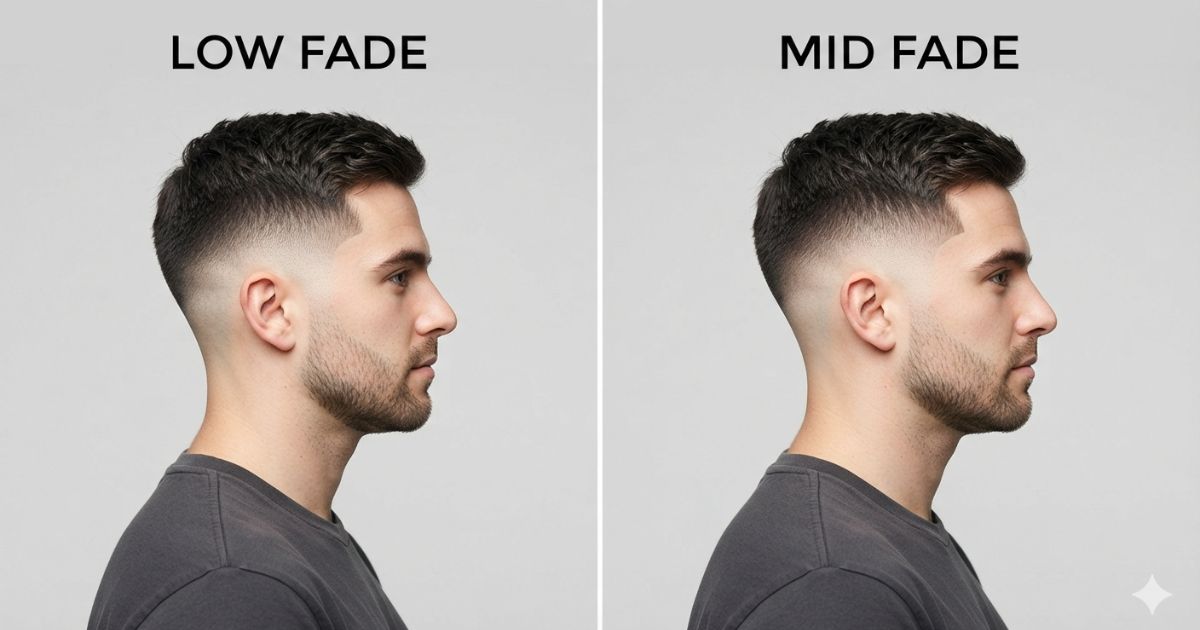
Height marks the main difference between these two styles overall. A mid fade starts around the temple, sitting a bit higher than a low fade and adding slightly more contrast.
If you want something safer for the office, choose a low fade for its subtle finish. If you want a touch more edge without going bold, a mid fade works.
How to Ask Your Barber About Low Fade Haircut?
Tell your barber the fade should start above the ears, not the temple. Ask specifically for a low, gradual blend so the transition stays soft and doesn’t look choppy uneven.
Mention how much length you want left on top so styling stays simple every morning. This keeps the whole cut low-maintenance, letting you skip frequent barber visits without losing shape.
What Is A Mid Fade?
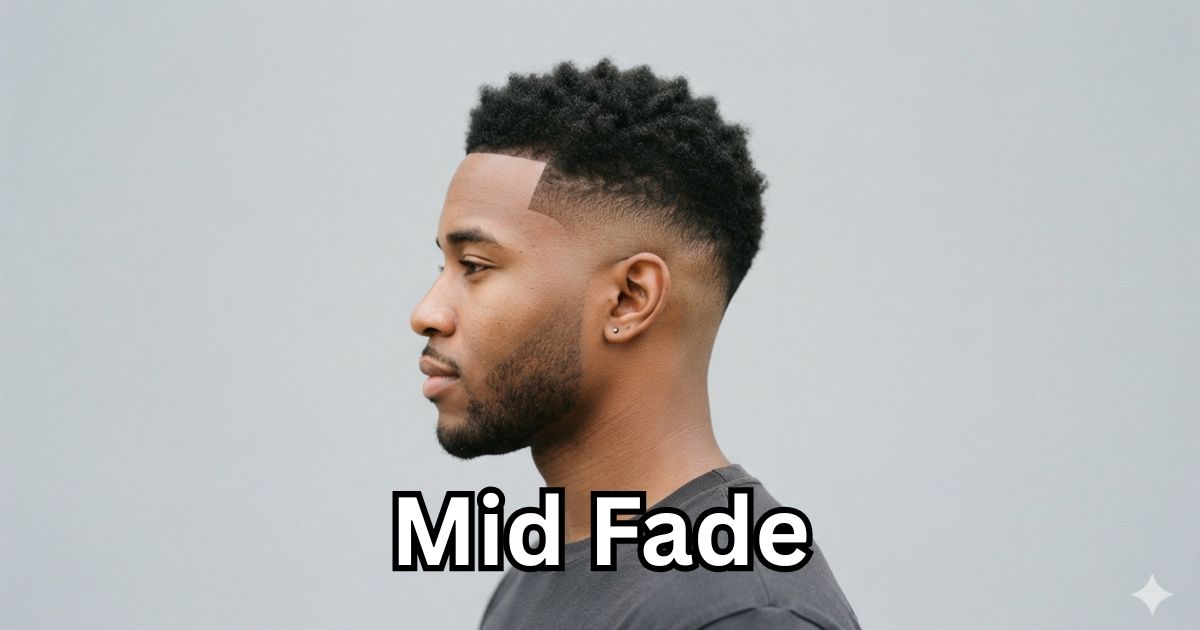
A mid fade begins right around the temple, exactly where your head starts curving outward. It strikes a natural balance between subtle and sharp, making it the most flexible fade choice.
This style works for nearly every face shape, especially oval and oblong types. It suits straight or curly hair equally well, styles nicely with matte wax, and needs regular upkeep.
Mid Fade vs Low Fade
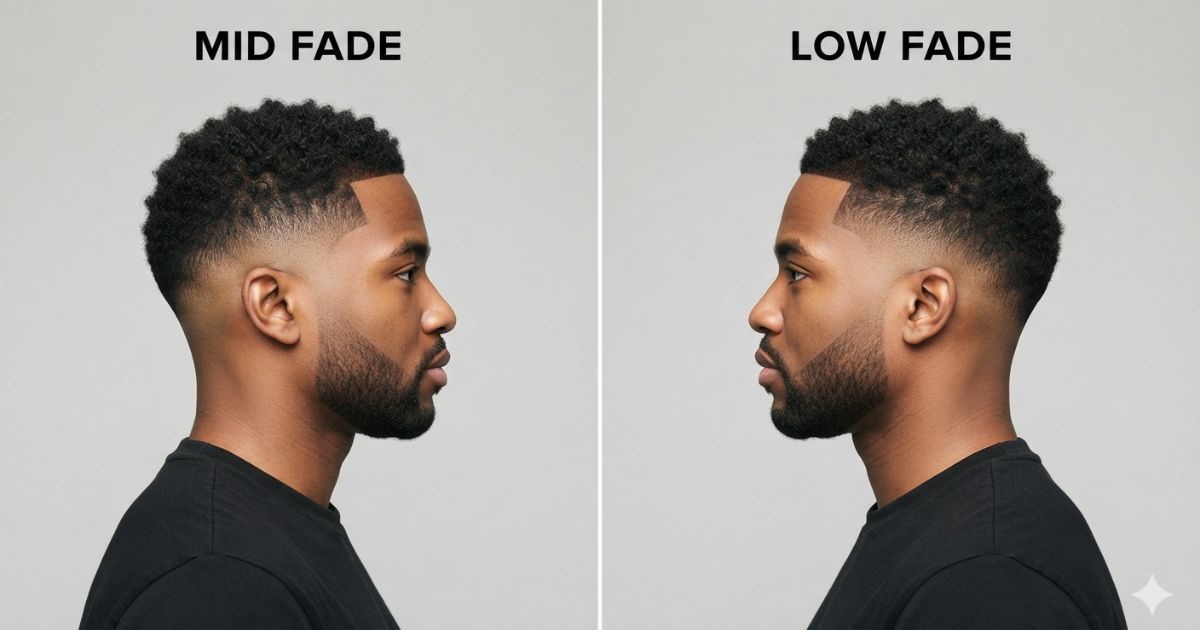
Placement makes all the difference between these two closely related styles. A low fade sits near the ear and reads more conservative, while a mid fade sits higher for definition.
Think of the mid fade as the happy medium between bold and subtle. It adds shape without shouting, giving contrast while keeping the easygoing feel a low fade brings along.
Mid Fade vs High Fade

A high fade pushes the blend noticeably further up the head for extra drama. Mid fades keep more breathing room between the buzzed sides and the top for a look.
Both bring plenty of edge, but a mid fade feels more wearable day to day. You won’t look like you just left boot camp, yet you still get real contrast.
How to Ask Your Barber About Mid Fade Haircut?
Ask your barber to start the fade right at the temple and blend upward toward the crown. Mention you want a balance between clean sides and natural length remaining top.
Bring a reference photo if possible, since fade height varies a lot between barbers and different shops. Clear communication keeps you from ending up way too bold or too subtle.
What Is A High Fade?
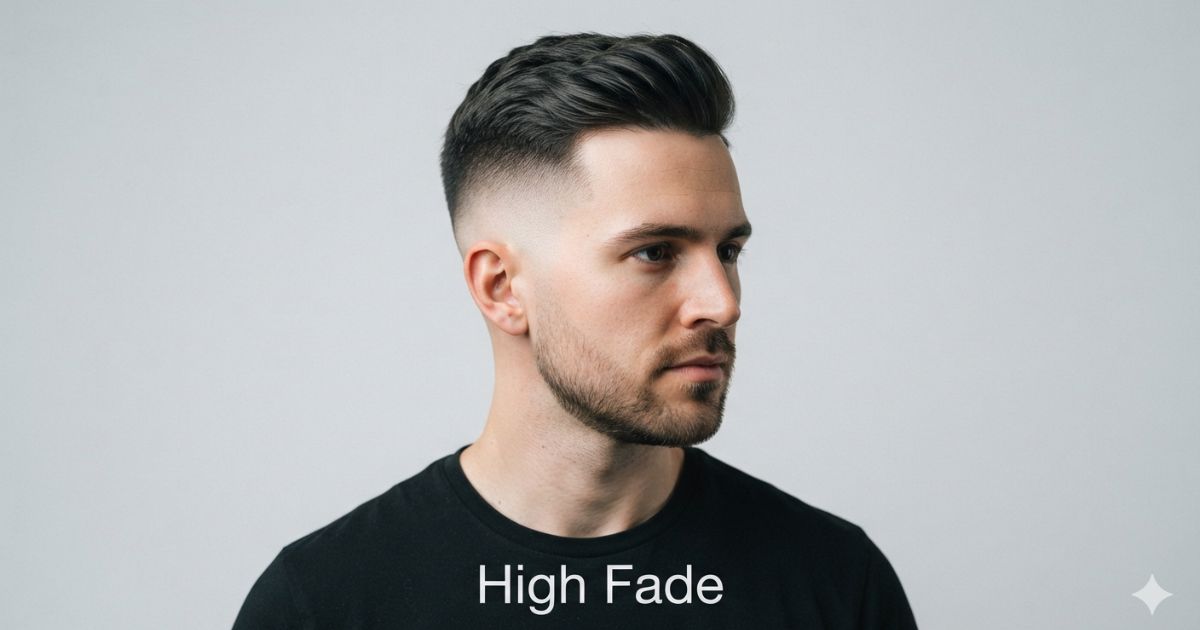
A high fade climbs well above the temple, sometimes reaching close to the crown itself. It’s the boldest fade option out there, built for guys who want their cut noticed.
This look suits oval and heart-shaped faces especially well, and works best with straight or fine hair. Expect frequent trims and save it for nights out or bold everyday style.
High Fade vs Low Fade
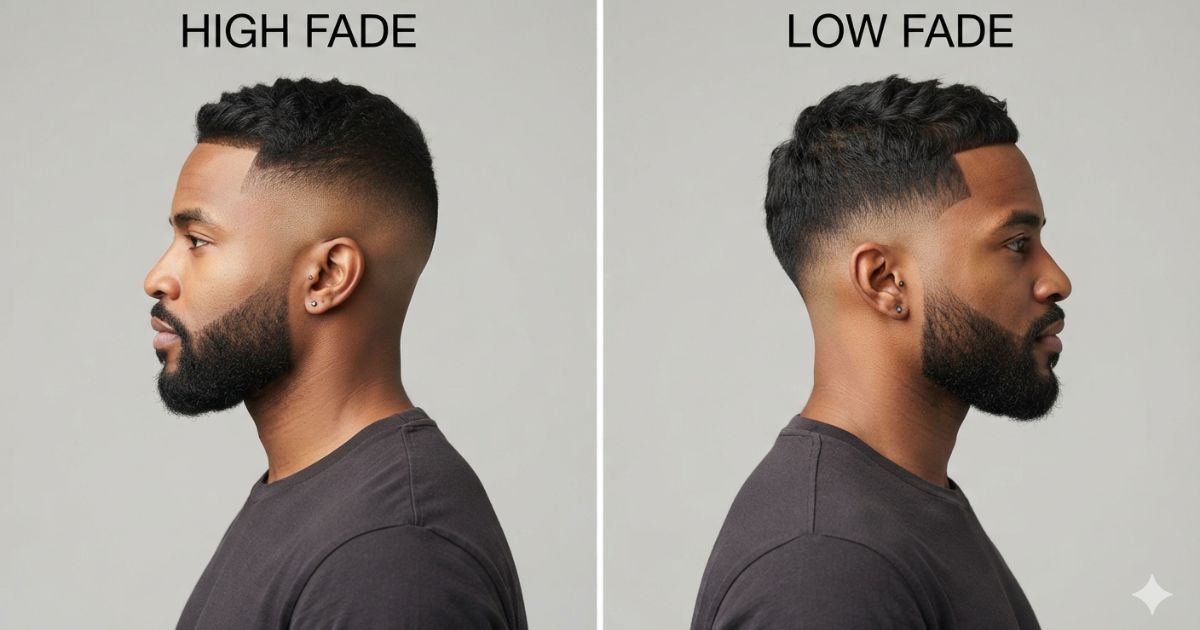
These two sit at opposite ends of the fade spectrum entirely. A low fade barely announces itself, staying close to your natural hairline, while a high fade demands instant attention.
A high fade brings sharp, high contrast that turns heads wherever you go. If you’re easing into fades for the first time, the low fade makes a much safer point.
High Fade vs Mid Fade
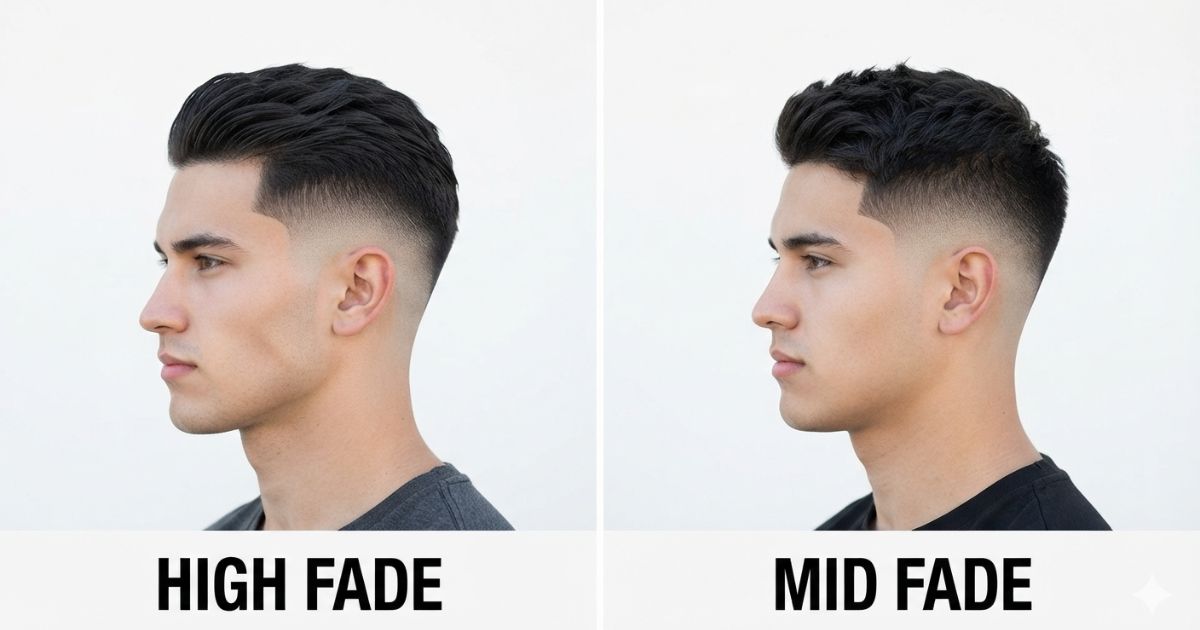
Both styles bring plenty of edge, but a high fade pushes things noticeably further. Mid fades offer more length as a buffer zone, keeping the transition softer and forgiving overall.
A high fade will always read bolder and more dramatic in direct comparison. Mid fades sit somewhere in the middle, giving you real contrast while still keeping things wearable every day.
How to Ask Your Barber for a High Fade Haircut?
Tell your barber you want the fade to start high, near the top of the temple. Ask them to blend it into a short or textured top for maximum contrast.
Specify “high contrast” clearly if you want the sides buzzed down close to bare skin. Bring a photo reference too, since fade height means something different at every single barbershop.
Also Read: Straight Hair Burst Fade: 20 Trendy Styles That Look Sharp
Low Fade vs Mid Fade vs High Fade
Choosing between these three fades often comes down to how bold you want your look. Each option changes face-framing, upkeep frequency, and how much contrast you’ll see day to day.
Here’s a quick side-by-side breakdown covering starting point, overall boldness level, best-suited face shapes, and exactly how often you’ll need touch-ups so you can pick the right fade for you.
| Feature | Low Fade | Mid Fade | High Fade |
| Starting point | Above the ear | At the temple | Near the crown |
| Boldness | Subtle | Balanced | Bold |
| Best for | Office, conservative styles | Most face shapes, versatile looks | Statement styles, nights out |
| Maintenance | Every 4-6 weeks | Every 3-4 weeks | Every 2-3 weeks |
| Face shapes | Round, square | Oval, oblong | Oval, heart |
Other Types Of Fade Haircut Styles
Beyond low, mid, and high, several fade variations bring their own unique shape and personality. These styles tweak the classic fade formula, offering something different for nearly every hair type.
From the razor-sharp skin fade to the rounded drop fade, each style solves a different styling problem. Here’s a closer look at five popular variations worth discussing with your barber.
Skin Fade

A skin fade tapers all the way down to bare skin at the very bottom. It creates the sharpest possible contrast against longer hair up top, delivering a crisp finish.
Because it fades to zero, this style needs frequent touch-ups every one to two weeks minimum. It suits guys who love bold styles and don’t mind extra time in chair.
Drop Fade

A drop fade curves downward behind the ear instead of running in a straight line. This rounded shape follows your head’s natural curve, creating a softer, more organic-looking transition.
It works especially well with curly or textured hair, since the curve complements natural movement. Expect regular maintenance every three to four weeks to keep the drop shape looking crisp.
Burst Fade
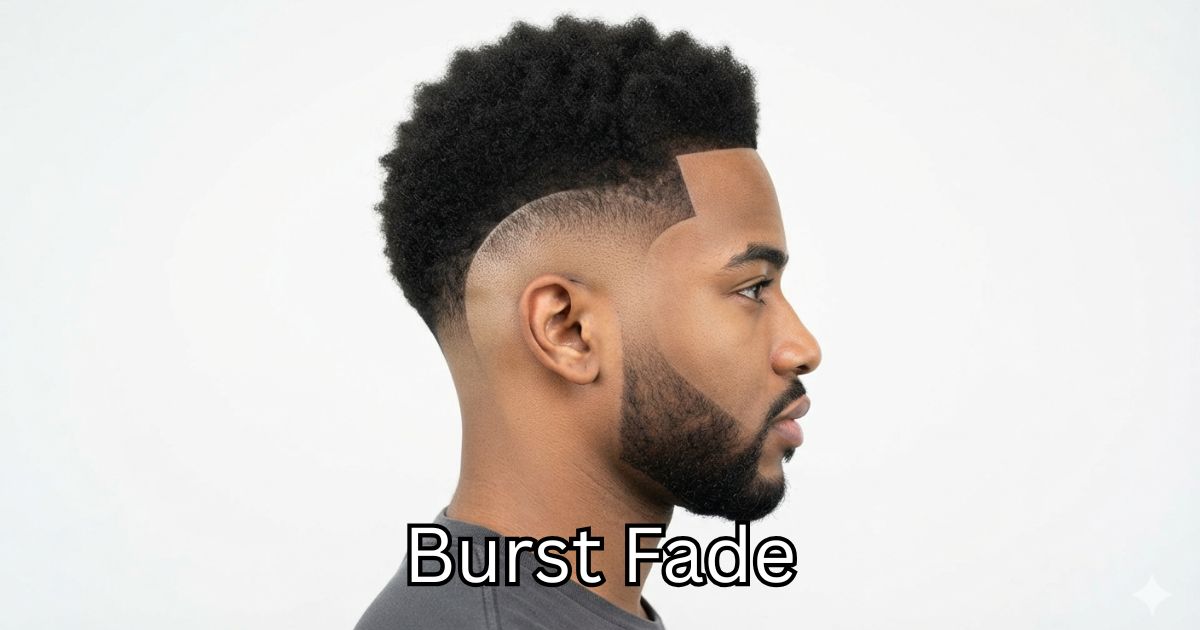
A burst fade wraps around the ear in a rounded, semi-circle shape, leaving length everywhere else. It’s a favorite among guys rocking a mohawk or longer style up top.
This style still delivers clean, defined sides without fully committing to a traditional fade look. It works great for creative styles and needs regular touch-ups every two to three weeks.
Temp Fade
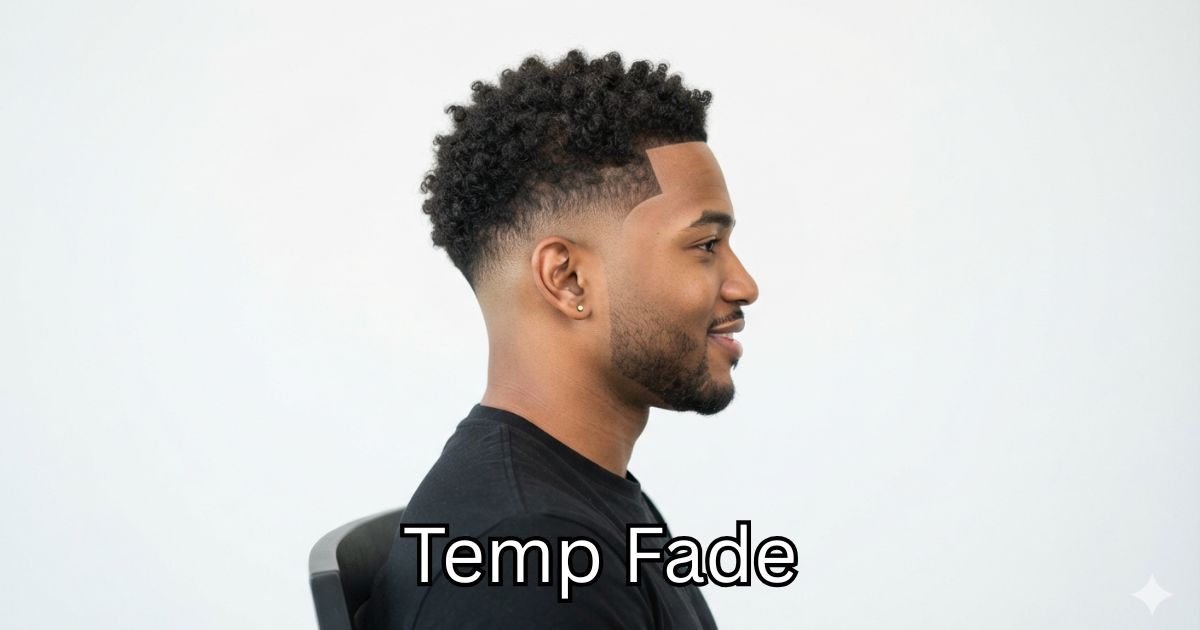
Short for “temple fade,” this style only fades the hair right around the temples themselves. The rest of the sides stay longer, creating a subtle, low-commitment take on the fade.
It works great if you’re not quite ready to commit to a full, dramatic fade yet. Maintenance stays minimal, making it perfect for anyone easing into the fade haircut world.
Undercut Fade
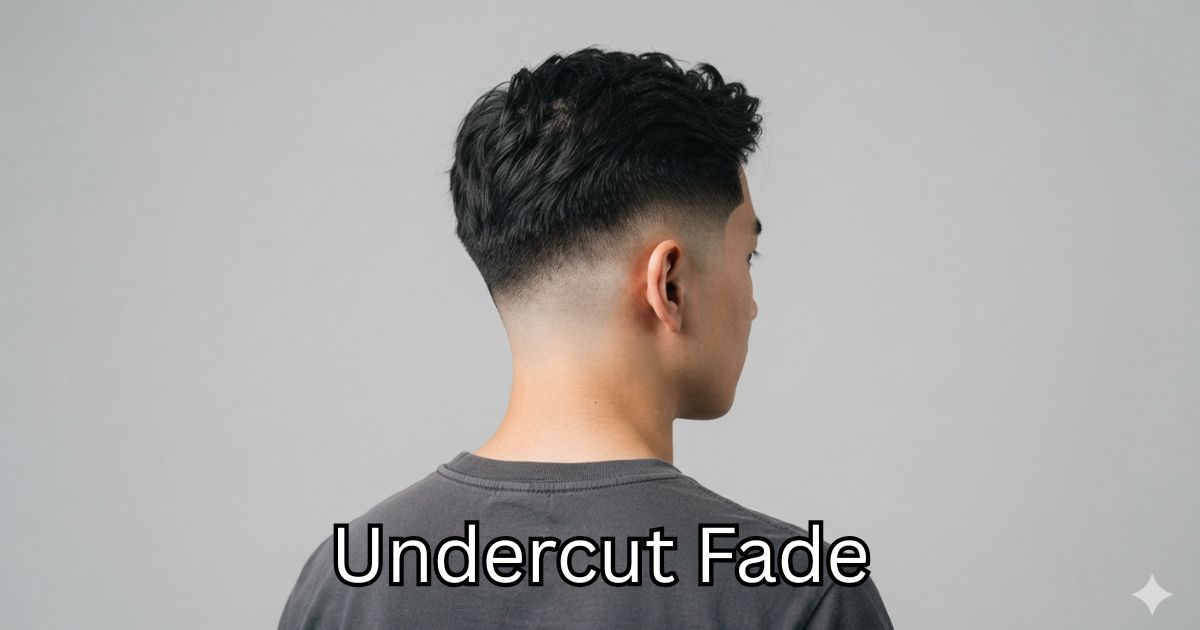
An undercut fade combines a classic disconnected undercut with a soft, gradual blend instead of a hard, abrupt line. It brings dramatic top-to-side contrast with a more forgiving transition.
You’ll get the bold statement of a disconnected undercut without the harsh, jarring edges of a straight line. It suits thick hair especially well and needs regular monthly maintenance visits.
Final Thoughts
At the end of the day, low vs mid vs high fade comes down to personal style. There’s no wrong answer here. Low fade keeps things classic and easy to maintain. Mid fade splits the difference nicely. High fade brings the boldest statement of the three.
Think about your face shape, your hair type, and how often you can visit the barber. Low vs mid vs high fade isn’t about picking the “best” option. It’s about picking what fits you. Bring a photo, explain your goals clearly, and you’ll walk out with a fade you’re proud to wear.
FAQs
Which fade is easiest to maintain, low, mid, or high?
Low fade wins here. It grows out slower, needs fewer touch-ups, and blends close to your natural hairline, so you’ll spend less time in the barber chair.
What’s the difference between low, mid, and high fade?
The starting point changes everything. Low fade begins above the ear, mid fade starts at the temple, and high fade climbs closer to the crown for bolder contrast.
Which fade suits a round face best?
Low and mid fades usually work better for round faces. They add subtle height and structure without overwhelming softer, rounder features the way a high fade sometimes can.
Is a high fade too bold for work?
It depends on your workplace. High fade reads sharper and more dramatic, so conservative offices might prefer a low or mid fade for a more understated, professional look instead.
How often should I get a fade touched up?
Low fades need touch-ups every four to six weeks. Mid fades run every three to four weeks. High fades need the most upkeep, often every two to three weeks.

Serena Luna, the voice behind JournalHair. I share the latest hairstyle ideas, haircut trends, and easy hair inspiration to help you find your perfect look every day.
