

A mid taper middle part is a stylish haircut that combines clean, tapered sides with a natural center part. It gives you a sharp look without making your hair feel too short. Whether you prefer classic curtains, messy waves, or a textured finish, this cut offers plenty of ways to show your personality. The mid taper fade keeps the sides neat while leaving enough length on top to create your favorite style.
One reason the mid taper middle part stands out is its versatility. It works well with straight, wavy, curly, and thick hair. You can wear it loose for a casual day or slick it back for a polished finish. With the right cut and a little styling product, you can make this look work for your face shape and routine. It’s a modern men’s hairstyle that balances fresh detail with timeless appeal.
What Is a Mid Taper Fade Middle Part?
A mid taper fade middle part combines gradually shortened hair around the temples and neckline with longer hair parted down the center. The result looks clean, balanced, and modern.
This haircut suits straight, wavy, or curly hair and works especially well on oval and square faces. Use lightweight styling cream or sea salt spray for definition. Maintenance stays moderate with regular barber visits.
Why Mid Taper Fade Middle Part Is So Popular in 2026
The mid taper fade middle part remains popular because it blends classic curtains with sharp, modern edges. You get movement on top and neat sides without an overly dramatic undercut.
Young men and professionals can adapt this style to different settings. It suits most hair textures and pairs well with matte clay or texture spray. Regular touch-ups keep the fade crisp and the center part balanced.
Pros and Cons
This haircut offers versatility, natural volume, and a polished outline without sacrificing the length needed for different middle-part styles. You can wear it casually or dress it up.
However, the top needs enough length to part properly and may require daily styling. Fine hair can look flat without volumizing products. Expect moderate upkeep, especially if you prefer sharp tapered edges.
10 Best Mid Taper Fade Middle Part Styles
These ten mid taper fade middle part styles offer options for different textures, lengths, and personal tastes. From sleek curtains to defined curls, each version brings a distinct finish.
Choose your favorite based on your hair’s natural movement, face shape, and daily routine. Lightweight products help control flyaways, while regular trims preserve the fade. Some styles need only finger styling, but others require a blow-dryer.
Classic Middle Part Styles
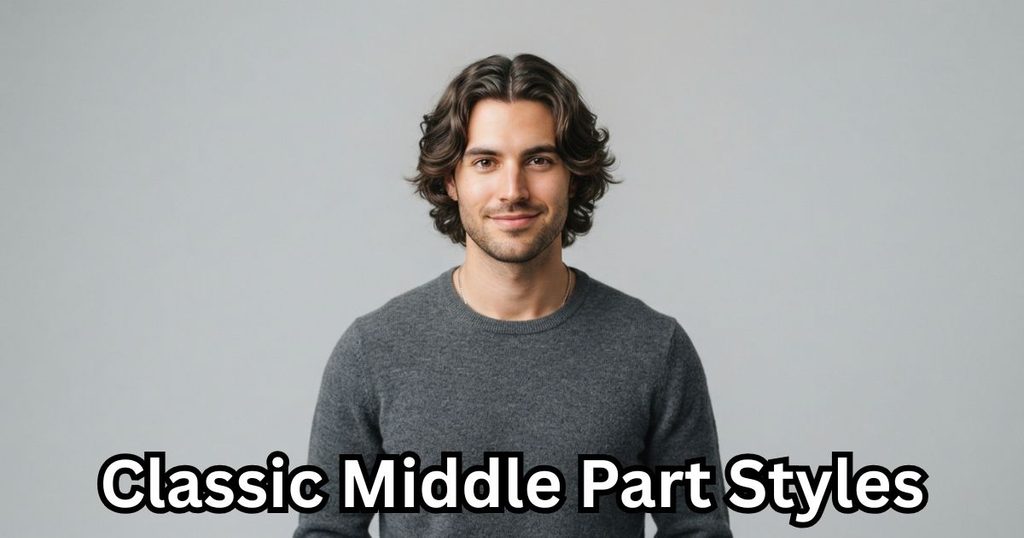
Classic middle-part styles focus on balanced curtains, smooth lines, and a clean taper. They create a timeless appearance without looking outdated or overly formal.
These options work best when the top has enough length to fall naturally on both sides. Oval, square, and heart-shaped faces can suit them. A light cream or pomade adds control, while regular trims maintain the outline.
1. Classic Middle Part Mid Taper
The classic middle part mid taper features evenly divided curtains that frame your forehead and flow toward the temples. A clean mid taper keeps the edges neat without distracting from the top.
This versatile cut suits straight or slightly wavy hair and oval or square faces. Apply a small amount of styling cream, then blow-dry away from the part. Maintenance is moderate, making it suitable for school, work, and casual outings.
2. Slick Middle Part Mid Taper
A slick middle part mid taper gives classic curtains a smoother, more controlled finish. The hair follows a defined center line, while the tapered sides create a sharp contrast.
Choose this look for straight or thick hair and oval or angular faces. Work lightweight pomade through slightly damp strands and comb each side into place. Styling takes a few extra minutes, but the polished result suits dinners, meetings, and smart-casual events.
3. Wet-Look Middle Part Mid Taper
The wet-look middle part mid taper adds shine and separation for a fresh, glossy appearance. Its center-parted top falls into defined sections, while the mid taper prevents the overall shape from looking heavy.
This finish works particularly well with straight or wavy hair and oval faces. Use a small amount of shine gel or lightweight pomade to avoid stiffness. Expect daily styling, with this bold look working best for parties, evenings, and fashion-forward outfits.
Textured Middle Part Styles
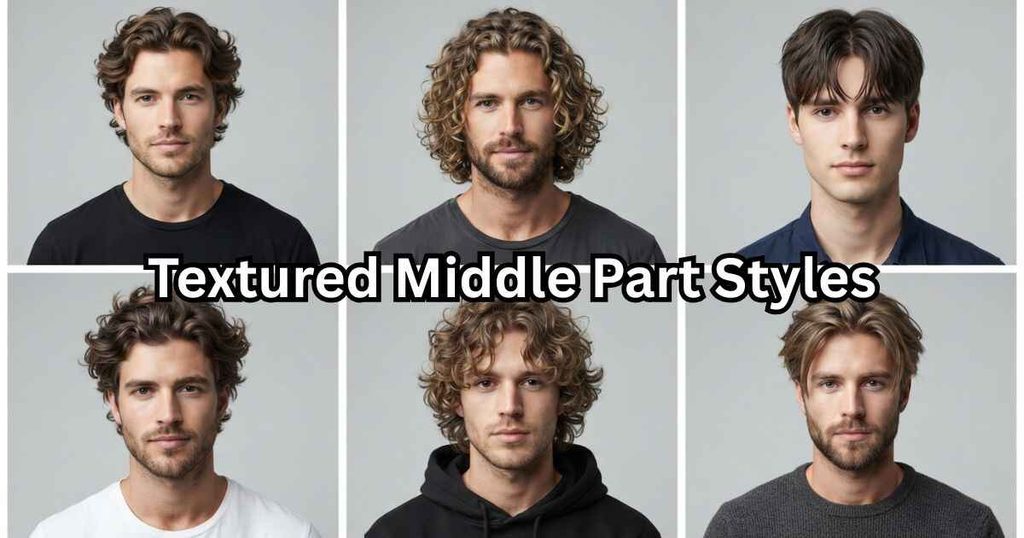
Textured middle parts replace perfectly smooth curtains with layers, separation, and natural movement. They offer a more casual finish that doesn’t require every strand to sit perfectly.
These cuts are ideal if you like a slightly undone appearance or have hair that already carries texture. Matte clay, sea salt spray, or texturizing cream can enhance definition. Most need moderate upkeep, although the styling routine stays simple once you find the right product.
4. Textured Middle Part Mid Taper
The textured middle part mid taper adds choppy layers and visible separation to traditional curtains. The center part remains clear, but the top looks fuller and more dynamic than a smooth finish.
Men with straight or wavy hair can use this style to create extra movement. Oval and square faces often pair well with its balanced shape. Apply matte texturizing cream and lift the roots while blow-drying. Maintenance is moderate for everyday wear.
5. Messy Middle Part Mid Taper
A messy middle part mid taper embraces loose strands, uneven texture, and relaxed curtains. The tapered sides add structure, so the tousled top looks intentional rather than like you overslept.
This style suits wavy, thick, and naturally textured hair, especially on oval or heart-shaped faces. Scrunch in sea salt spray or matte clay and let the strands fall naturally. Styling is quick, while occasional trims maintain the shape. Wear it for weekends, campus, or casual dates.
Curl and Wave Middle Part Styles
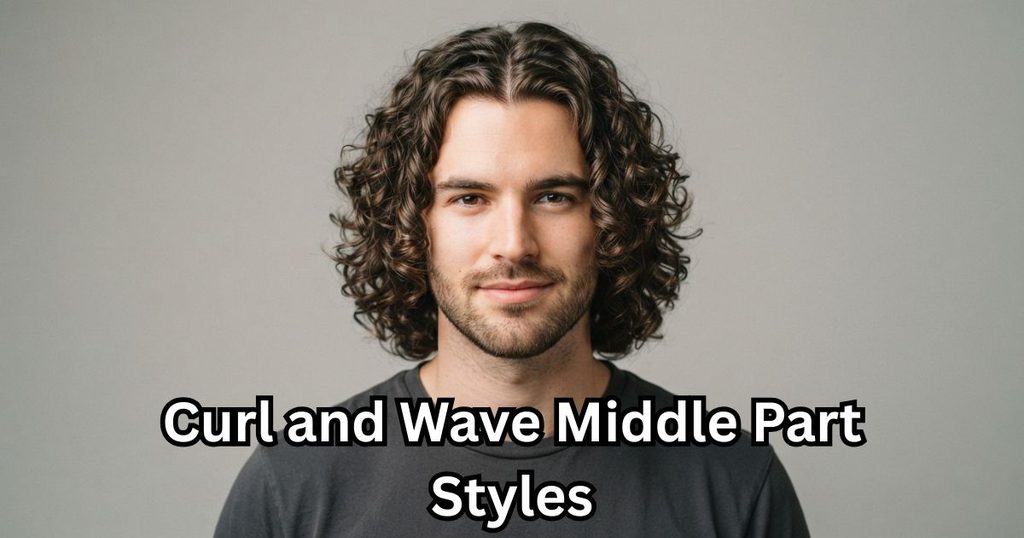
Curls and waves give a middle part extra character through natural bends, volume, and movement. A mid taper cleans up the temples and neckline without removing the texture that makes the style distinctive.
These options work best when your barber respects your natural curl pattern and avoids cutting the top too short. Use curl cream or lightweight leave-in conditioner for definition. Maintenance depends on your texture, but regular shaping prevents the sides from becoming bulky.
6. Curly Middle Part Mid Taper
The curly middle part mid taper lets natural curls split around the center while the tapered edges create a tidy outline. Defined ringlets add height, softness, and personality without requiring a perfectly straight part.
Men with loose or medium curls can wear this look with oval, square, or heart-shaped faces. Apply curl cream to damp hair and avoid brushing it dry. Maintenance is moderate, with trims and moisture care keeping curls defined for daily or special-occasion wear.
7. Wavy Middle Part Mid Taper
A wavy middle part mid taper uses natural bends to create flowing curtains with plenty of movement. The mid taper sharpens the outline while leaving enough length for waves to fall naturally around the forehead.
This cut flatters oval and square faces and works especially well with medium-length wavy hair. Mist sea salt spray onto damp strands, then blow-dry with a diffuser or let them air-dry. Styling remains easy, making it a strong choice for everyday wear.
Detail and Combination Middle Part Styles
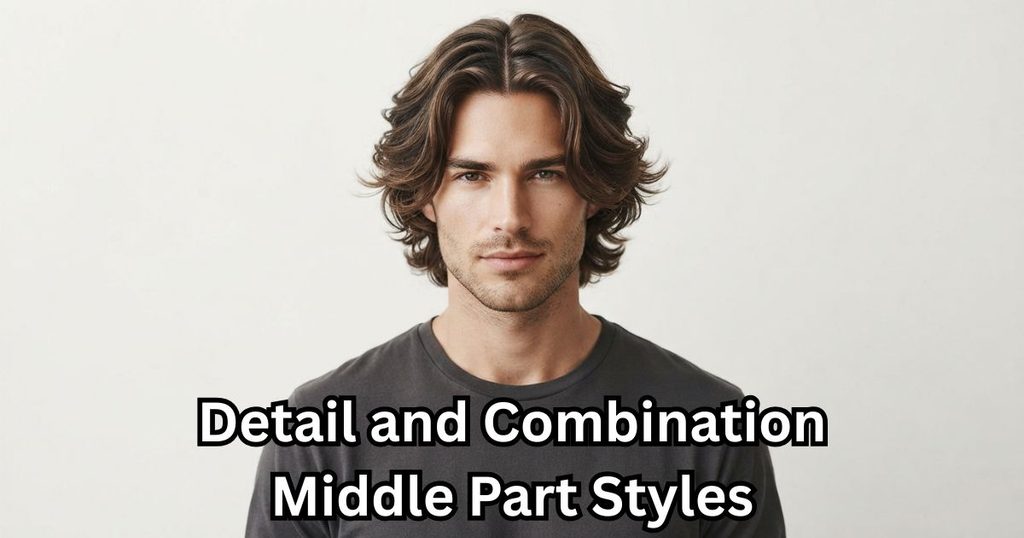
Combination styles add a distinctive detail to the standard middle part, whether through a forward fringe, disconnected sides, or a two-block shape. Each option changes the haircut’s overall silhouette.
Consider your hair density and preferred level of contrast before choosing one. Styling cream, matte clay, or a light pomade can help shape the top. Some versions need more frequent barber visits, especially when the separation between lengths is pronounced.
8. Middle Part With Fringe Mid Taper
The middle part with fringe mid taper allows the front sections to fall slightly forward while separating around the center. This creates a softer frame across the forehead without losing the neat tapered finish.
It suits straight or wavy hair and can complement longer or heart-shaped faces. Use lightweight styling cream to keep the fringe flexible rather than stiff. Maintenance is moderate, and the relaxed shape works for school, casual offices, and weekend plans.
9. Undercut Middle Part Mid Taper
The undercut middle part mid taper combines longer curtains with a stronger contrast around the sides. The undercut creates separation, while the taper softens the temples and neckline for a more finished appearance.
This option works best with thick, straight, or slightly wavy hair and suits oval or angular faces. Apply matte clay for volume or pomade for a smoother finish. Expect more frequent trims to preserve the contrast. It’s ideal for fashion-focused looks and nights out.
10. Two-Block Middle Part Mid Taper
The two-block middle part mid taper features a fuller upper section and shorter lower sides, blending Korean-inspired shape with a clean taper. The center part adds symmetry, while the longer top creates soft movement.
Straight or slightly wavy hair works especially well, particularly on oval and heart-shaped faces. Use a lightweight cream and blow-dry the front away from the center. Maintenance is moderate because the top needs shaping as it grows. This style suits campus, social events, and modern everyday outfits.
How to Choose the Right Style for Your Hair Type
Your natural texture should guide the haircut more than a reference photo alone. A mid taper fade middle part can work across several hair types, but the top needs a different approach for each.
Tell your barber how your hair behaves after washing and how much time you spend styling it. The right length, layering, and product can make the difference between easy curtains and a daily fight with stubborn strands.
Straight Hair
Straight hair creates a clean center part and smooth curtains with little effort. A mid taper fade adds shape around the temples, keeping the overall cut from looking too flat or boxy.
Choose a textured or classic finish based on your preferred appearance. Volumizing mousse and a blow-dryer can lift fine strands, while lightweight cream controls thicker hair. Maintenance stays manageable with regular trims and a consistent parting routine.
Wavy Hair
Wavy hair brings natural volume and movement to a middle part, making the curtains look fuller without much styling. A mid taper keeps the sides controlled while letting the waves remain the main feature.
Ask your barber to preserve enough length for your waves to form properly. Sea salt spray or curl-enhancing cream adds definition without weighing the hair down. This option suits casual and smart-casual settings, with moderate upkeep to prevent bulky sides.
Thick Hair
Thick hair gives a middle part strong volume, but excess bulk can make the top spread outward. Strategic layering and a well-shaped mid taper help create a more balanced silhouette.
Request weight removal through the top rather than an overly short cut. Matte clay can separate sections, while a blow-dryer helps direct the curtains. Maintenance is moderate, especially if your hair grows quickly. This style works for everyday wear and more polished occasions.
Curly Hair
Curly hair adds bounce and personality to a center-parted cut, but shrinkage can make the finished length look shorter than expected. A skilled barber should account for your curl pattern before shaping the top.
Keep enough length for the curls to fall on both sides. Use curl cream or leave-in conditioner and avoid brushing dry hair. Maintenance includes moisture care and periodic shaping, making this a strong option for men who want texture without sacrificing neat edges.
Fine Hair
Fine hair can suit a middle part when the cut creates lift instead of weighing the roots down. Shorter tapered sides also help the longer top appear fuller by comparison.
Ask for soft layers and avoid removing too much density. Apply volumizing mousse or a light texture spray before blow-drying. Skip heavy oils and thick pomades that flatten the roots. Styling takes a little practice, but the result can look clean and natural for work or social plans.
Best Mid Taper Fade Middle Part Styles by Face Shape
Face shape helps you choose the right curtain length, volume, and direction. The goal isn’t to hide your features but to create proportions that feel balanced and suit your personal style.
A mid taper fade keeps the sides tidy, while the top controls the overall silhouette. Bring a reference photo to your barber and discuss where the front sections should fall. Small adjustments can make the haircut feel more tailored.
Oval Face
Oval faces generally suit many middle-part variations because their proportions are naturally balanced. Classic curtains, textured layers, and wavy styles all work without needing major changes to the silhouette.
Keep the top at a length that suits your hair texture and desired volume. Lightweight cream or matte clay adds definition without excessive weight. Maintenance is moderate, and this adaptable shape works for casual outfits, office wear, and formal occasions.
Round Face
A round face can benefit from a middle part with extra height and gentle vertical movement. Keeping the sides relatively neat helps avoid adding unnecessary width around the cheeks.
Try textured curtains or a slightly lifted center part rather than heavy, rounded bangs. Use volumizing mousse or matte clay to raise the roots. Regular taper touch-ups maintain a clean outline, making this style useful for daily wear and more dressed-up settings.
Square Face
Square faces have a defined jawline that pairs well with both structured and softer middle-part styles. Textured curtains can soften the overall appearance, while slick versions emphasize strong facial lines.
Choose a moderate top length and avoid excessive bulk at the temples. Styling cream keeps the hair controlled without making it rigid. Maintenance is straightforward with periodic trims, and the haircut can transition easily from casual weekends to professional environments.
Heart-Shaped Face
Heart-shaped faces often have a wider forehead and a narrower chin. A middle part with soft fringe or flowing curtains can balance those proportions without hiding the face.
Wavy or lightly textured styles work particularly well when the front sections fall naturally beside the forehead. Use a flexible cream to maintain movement. Moderate upkeep keeps the shape balanced, making this haircut suitable for everyday outfits, social gatherings, and smart-casual events.
Long Face
Long faces can benefit from middle-part styles that add width rather than excessive height. Curtains with natural fullness around the temples create a balanced look while the mid taper keeps the sides clean.
Avoid styling the top too tall if you want to reduce the appearance of length. A light cream or sea salt spray adds controlled texture. Maintenance is moderate, and the cut works well for daily routines, school, and office settings.
Diamond Face
Diamond faces typically feature prominent cheekbones with a narrower forehead and chin. A textured middle part can add softness near the forehead while keeping the cheek area from appearing overly wide.
Choose medium-length curtains, gentle waves, or a soft fringe. Styling cream helps maintain flexible movement without flattening the roots. Regular trims keep the taper neat, and this versatile option suits casual outings, dates, and modern professional environments.
Rectangular Face
Rectangular faces are longer than they are wide, so balanced volume and moderate curtain length can help soften the overall shape. A mid taper offers clean edges without adding unnecessary height.
Try wavy curtains or a textured middle part that creates gentle width around the temples. Avoid a very tall, slicked-back top if you prefer a less elongated appearance. Use lightweight cream for definition, with regular trims keeping the haircut suitable for work and everyday activities.
Best Mid Taper Fade Middle Part Styles by Age Group
A middle part can look youthful, refined, or professional depending on its length and finish. The mid taper creates a consistent foundation, while the top lets you adjust the overall impression.
Choose a version that fits your routine, workplace, and personal taste rather than following age-based rules. A simple styling product and regular barber visits can keep the haircut looking intentional at any stage.
Teenagers
Teenagers can wear textured curtains, messy middle parts, or a two-block variation for a fresh and expressive look. The mid taper adds neatness without making the haircut feel too formal.
Straight, wavy, and curly hair can all work with the right top length. Use a small amount of matte cream or sea salt spray, depending on texture. Maintenance is moderate, and the style fits school, sports-free casual days, and social events while staying easy to restyle.
Young Men
Young men often prefer a middle part that balances modern texture with a clean outline. Classic curtains, waves, and textured layers offer variety without requiring a dramatic change in length.
Choose products based on your hair density rather than using too much. Matte clay adds separation, while lightweight cream controls flyaways. Regular trims keep the taper sharp, and the haircut adapts easily to college, nights out, casual dates, and creative workplaces.
Professional Men
Professional men can choose a classic or softly textured middle part for a polished appearance that still feels current. A neat mid taper creates a clean finish without the severity of some disconnected cuts.
Keep the top controlled with lightweight pomade or styling cream, avoiding excessive shine if your workplace favors understated grooming. Maintenance is moderate, with touch-ups preserving the outline. This version works for meetings, client-facing roles, and business-casual settings.
How to Ask Your Barber for a Mid Taper Fade Middle Part
A clear barber consultation helps you get the right fade height and enough top length for curtains. Bring two or three reference photos showing the front, sides, and back so your barber can understand the shape you want.
Explain your natural texture, preferred parting, and daily styling routine. Ask for a mid taper around the temples and neckline, with enough length left on top to split down the center. Discuss clipper guard numbers before cutting because guard choices vary with hair density and your desired finish.
Mid Taper Fade Middle Part Video Guide
A video guide can help you understand how the fade blends into the longer top and how the center part should fall. Look for footage showing the front, both sides, and the back rather than a quick final reveal.
Pay attention to how the barber sections the top, blends the temples, and shapes the neckline. For styling, choose a tutorial that matches your hair texture. Straight hair often needs root direction, while curls benefit from careful drying and products that preserve definition.
Also Read: High Taper Fade Curly Hair: 20 Best Haircuts, Barber Tips, and Maintenance Tricks
Common Mid Taper Fade Middle Part Mistakes to Avoid
Even a good reference photo won’t guarantee the right result if the length or fade doesn’t suit your hair. Avoid these common mistakes when planning your next cut.
- Cutting the top too short: Curtains need enough length to fall on both sides naturally.
- Taking the taper too high: An overly high fade changes the intended mid-taper silhouette.
- Ignoring natural texture: Straight, wavy, and curly hair behave differently after cutting.
- Using too much product: Heavy pomade can flatten fine hair and make thick hair look greasy.
- Forcing a perfect center part: Your natural growth pattern may favor a slightly adjusted part.
- Skipping regular trims: Overgrown temples and neckline can make the cut look untidy.
- Copying another face shape: Adapt the reference to your proportions rather than expecting identical results.
How to Maintain a Mid Taper Fade Middle Part
A mid taper fade middle part looks best when the edges stay clean and the top keeps its natural movement. You don’t need an elaborate routine, but consistent grooming makes a noticeable difference.
Focus on gentle washing, suitable styling products, and regular barber visits. Your exact routine will depend on hair texture, scalp needs, and how sharp you want the taper to look. A few small habits can keep the haircut looking fresh between appointments.
Daily Styling
Start with slightly damp hair and create a center part using your fingers or a comb. Blow-dry each side away from the part while directing the roots for natural volume.
Use a small amount of styling cream for a soft finish or matte clay for extra separation. Curly hair may need curl cream and a diffuser instead. Keep the product light, since too much can turn movable curtains into stiff helmet hair.
Products That Work Best
The best product depends on your hair type and the finish you want. Start with a small amount and add more only when needed.
- Matte texturizing product: Adds separation and a natural finish to textured or messy curtains.
- Lightweight hair pomade: Helps smooth straight hair and create a slick middle part.
- Sea salt spray: Enhances movement in wavy hair, although frequent use can feel drying.
- Curl cream: Defines curls and helps manage frizz without requiring a stiff hold.
- Volumizing mousse: Adds lift to fine hair before blow-drying.
Washing Routine
Wash your hair according to your scalp’s oiliness, sweat level, and product use. Gentle shampoo removes buildup, while conditioner helps keep the longer top manageable and reduces dryness.
If you use pomade or clay daily, cleanse thoroughly without scrubbing aggressively. Curly hair may need less frequent shampooing than very oily straight hair. Rinse well and avoid applying heavy conditioner directly to the roots when volume is your goal.
Touch-Up Frequency
Most mid taper fades benefit from a barber touch-up every two to four weeks, depending on how quickly your hair grows and how sharp you prefer the edges. The longer top usually needs less frequent trimming.
If you like a crisp outline, schedule appointments toward the shorter end of that range. For a softer, grown-in finish, you can wait longer. Ask your barber to preserve the center-part length during maintenance so the curtains don’t lose their shape.
Mid Taper Fade Middle Part vs Other Styles
The mid taper fade middle part combines a center-parted top with neat sides, but other haircuts create different shapes and styling needs. Comparing them helps you choose a look that suits your hair and routine.
Consider how you prefer to wear your front sections, how much volume you want, and how often you’re willing to style your hair. A small difference in parting or top direction can change the overall appearance considerably.
Middle Part vs Side Part
A middle part divides the hair evenly, creating balanced curtains that frame both sides of your face. A side part shifts the volume toward one side and often creates a more traditional, structured appearance.
The middle part suits men who want movement and a modern finish, while the side part can feel more formal. Both work with a mid taper. Use lightweight cream for natural curtains or pomade for a sharper side part, depending on your hair texture and occasion.
Middle Part vs Slick Back
A middle part sends the front sections outward from the center, leaving visible movement around the forehead. A slick back directs the hair away from the face, creating a cleaner and often more controlled silhouette.
Choose curtains if you prefer face-framing texture and a casual finish. Pick a slick back if you like a streamlined look and have enough length to keep the hair moving backward. Cream or sea salt spray suits softer curtains, while pomade offers more control for a slick back.
Middle Part vs Regular Mid Taper
A regular mid taper can be paired with many top styles, including crops, quiffs, side parts, and short textured cuts. A mid taper fade middle part specifically leaves enough length on top to create a center-parted shape.
Both options keep the temples and neckline tidy, but the middle part needs more attention to length and direction. Choose the regular mid taper for greater freedom on top. Select the middle-part version if you want curtains, natural movement, and a distinctive center line.
Final Thoughts
The Mid Taper Fade Middle Part: 10 Best Styles for Men in 2026 shows how this haircut blends clean sides with natural movement. A mid taper middle part suits different hair types, face shapes, and personal styles. You can keep it classic, messy, slick, or textured. The right version helps you look sharp without much effort.
Choose a mid taper middle part that fits your daily routine and hair texture. Use lightweight styling products and keep up with regular touch-ups. Talk to your barber about the length and finish you want. A great cut starts with the right plan.
FAQs
1. What Is a Mid Taper Middle Part?
A mid taper middle part combines neatly faded temples and neckline with longer center-parted hair. It creates a modern look with natural movement and clean edges.
2. Does a Mid Taper Middle Part Suit Every Face Shape?
Yes, a mid taper middle part suits many face shapes. Adjusting the top length, volume, and fringe helps balance your features and complement your appearance.
3. How Do You Style a Mid Taper Middle Part?
Start with damp hair, create a center part, and blow-dry each side outward. Apply lightweight styling cream or sea salt spray for natural texture.
4. How Often Should You Maintain a Mid Taper Middle Part?
Schedule barber touch-ups every two to four weeks to keep the fade sharp. Trim the top less often to preserve enough length for curtains.
5. Is a Mid Taper Middle Part Good for Curly Hair?
Absolutely, curly hair adds volume and personality to this haircut. Use curl cream, avoid brushing dry curls, and keep the tapered sides neatly trimmed.

Serena Luna, the voice behind JournalHair. I share the latest hairstyle ideas, haircut trends, and easy hair inspiration to help you find your perfect look every day.
