

Growing tired of your old haircut. A taper buzz cut fixes that fast. It’s short, sharp, and low-maintenance. You get buzzed length on top and a clean taper down the sides. No harsh lines. No awkward grow-out phase. Just a crisp, put-together look that works Monday through Friday.
This cut isn’t just for the military crowd anymore. Guys everywhere are choosing the taper buzz cut for one simple reason: it’s easy. You wake up, run a hand through it, and you’re done. No product required, though a little pomade never hurts. The taper buzz cut also plays well with any hair type , straight, wavy, even coarse. And since the sides taper gradually instead of snapping into a hard line, it grows out cleaner too. Bottom line: if you want sharp without the fuss, this cut delivers.
What Is a Buzz Cut x Taper Fade?

Think of it as two haircuts working as one. Buzzed length on top meets a gradually fading side, creating a look that’s structured yet refreshingly simple to maintain.
Busy guys gravitate toward this pairing for good reason. It flatters nearly every face shape, adapts to most hair textures, and shifts easily from gym mornings to client meetings.
Understanding the Buzz Cut
At its core, this is just clippers running one consistent length across your head. Guard sizes usually fall between #1 and #4, controlling how much hair remains.
Round and oval faces gain the most definition from this shortness. Straight, wavy hair adapts easiest to the style, and daily upkeep takes almost no time at all.
What Makes a Taper Fade Different?
Rather than one uniform length, a taper fade tapers hair gradually from longer on top down to nearly nothing near the neckline and ears, avoiding any harsh lines.
Nearly any face shape benefits, since the gradual blend softens sharper jaw angles. Fine and coarse hair both handle it well, with barbers suggesting fresh touch-ups every couple weeks.
Why This Combination Works So Well
Put simply, you get effortless volume on top and precision detail below. That contrast is exactly why this pairing keeps showing up in barbershops everywhere.
Square and oval face shapes see the biggest payoff from this contrast. Every hair type adapts fine, and a dab of clay or pomade keeps things sharp for nights out.
The History and Evolution of the Buzz Cut
Long before it became a style statement, the buzz cut served a practical purpose in military settings. Uniform, low-maintenance hair meant fewer distractions and simpler hygiene standards for recruits.
Over time, athletes and civilians alike embraced its convenience beyond the barracks. Fast forward to today, and pairing it with a taper fade gave the classic look renewed relevance.
Different Types of Buzz Cut x Taper Fade
Low Taper Fade Buzz Cut
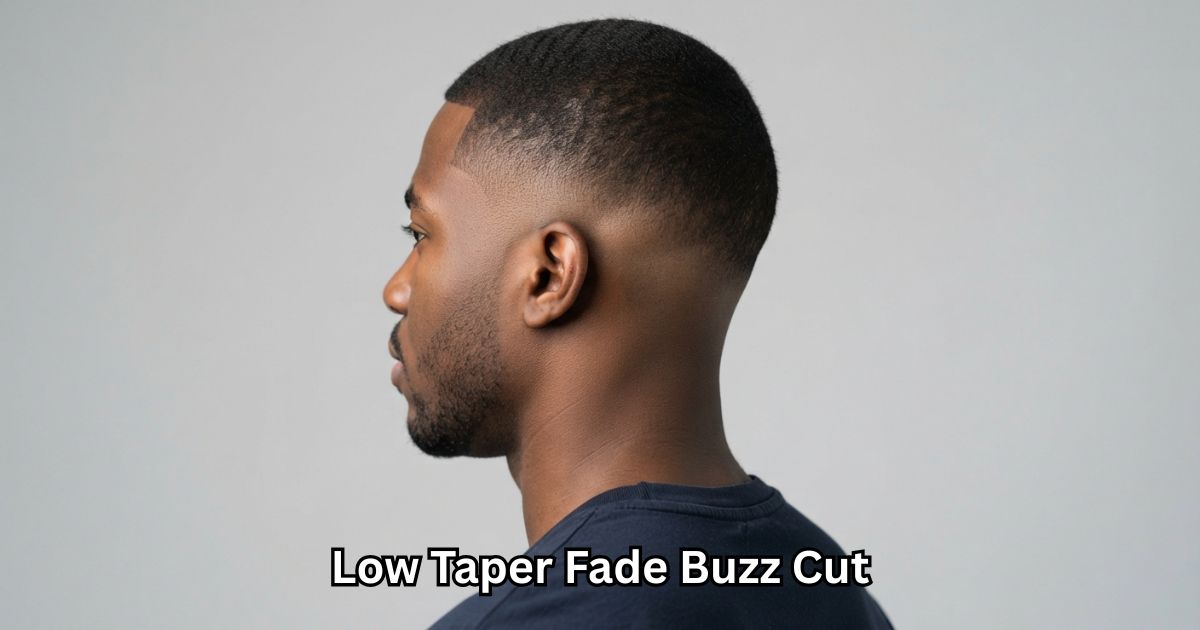
Keeping the blend tight against the hairline, a low taper fade offers a quiet, refined finish. It’s the kind of cut that doesn’t scream for attention.
Oval and heart-shaped faces suit this version particularly well. Wavy and straight hair display it cleanly, and expect trims roughly every three weeks to stay looking fresh.
Mid Taper Fade Buzz Cut

Positioned a bit higher than its low counterpart, the mid taper fade starts blending near the temples. It offers noticeable contrast without tipping into flashy territory.
Round and square jawlines both pair nicely with this cut. Coarse and curly hair textures respond surprisingly well, needing touch-ups every two to three weeks on average.
High Taper Fade Buzz Cut

Starting the blend up near the crown, a high taper fade delivers striking, unmissable contrast against the buzzed top. This isn’t a subtle option by any means.
Angular faces like square or oblong shapes carry this version best. Any texture works fine here, though every two weeks is ideal to keep those lines crisp.
Skin Taper Fade Buzz Cut

Fading all the way down to visible skin, this version demands precision and delivers a genuinely dramatic finish. There’s little room for error in execution.
Most face shapes handle this contrast surprisingly well. Straight and wavy hair highlight the detail most clearly, so weekly touch-ups keep that bare-skin definition looking intentional.
Shadow Taper Fade Buzz Cut
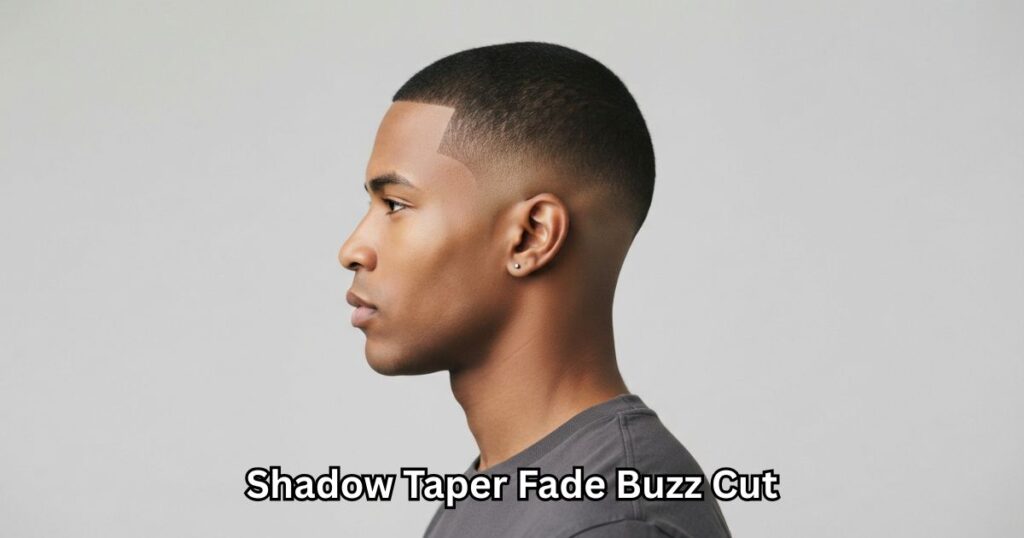
Rather than fading to bare skin, this version leaves a soft shadow using clipper-only technique without a guard. The result feels gentler than a full skin fade.
Guys seeking detail minus the stark contrast tend to prefer this. Darker hair colors show the shadow effect beautifully, with maintenance falling around every two to three weeks.
Does the Buzz Cut x Taper Fade Work for Different Hair Types?
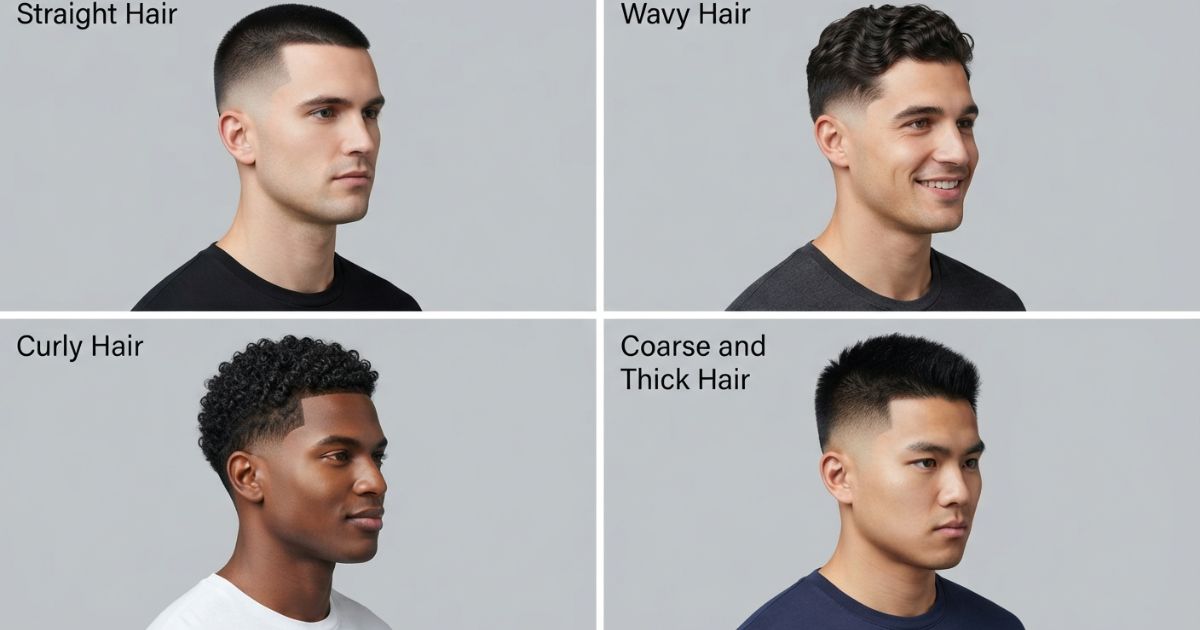
Here’s the reassuring part: this cut adapts to nearly any hair texture out there. Straight, wavy, curly, coarse , a capable barber can tailor the fade accordingly.
That said, texture does influence how sharp your lines appear and how quickly you’ll need touch-ups. Knowing your hair type upfront makes that first barbershop conversation far more productive.
Straight Hair
Straight strands showcase this cut with almost no effort, letting fade lines stay crisp and clearly defined. The pairing between buzzed top and tapered sides reads effortlessly clean.
Oval and round faces gain the most from this combination. A touch of pomade adds subtle texture, and three-week trims keep the whole look consistently sharp.
Wavy Hair
Natural wave brings texture and movement on top while the fade stays precise underneath, creating a nice push-pull between casual and controlled elements.
Square and oval faces work especially well here. Matte clay tames frizz without flattening the wave, and touch-ups every two to three weeks keep things looking intentional.
Curly Hair
Curls bring personality and volume up top, while the fade underneath grounds the whole look and keeps it from feeling unruly or unfinished.
Heart and oval face shapes wear this pairing beautifully. Curl cream or a light gel defines texture minus frizz, with maintenance landing around every three weeks.
Coarse and Thick Hair
Density gives this cut real presence on top, and barbers often thin thick strands beforehand so the fade transitions smoothly instead of looking abrupt.
Round and square faces balance nicely against that added fullness. Lightweight cream controls flyaways, and biweekly trims prevent thickness from overpowering the tapered sides.
Buzz Cut x Taper Fade with Beard Combinations
Adding a beard into the mix creates one continuous, intentional look from scalp to chin. Success here depends on blending both elements so nothing feels mismatched.
Most barbers suggest syncing your fade height with your beard’s overall shape. Consistent trims keep both elements sharp, and this pairing suits nearly any setting, casual or formal.
Short Stubble Beard
Stubble adds rugged texture with barely any daily effort required, making it the go-to choice for low-maintenance guys who still want facial definition.
Square and oval faces carry stubble particularly well. A trimmer set on a low guard keeps growth even, and weekly upkeep maintains that consistently sharp, deliberate appearance.
Full Beard Blend
Blending a full beard directly into your fade creates one seamless line from cheekbone to neckline. This works best when your barber fades hair and beard together in one session.
Longer or oval faces balance nicely against fuller beard volume. Beard oil keeps texture soft, and monthly shaping visits maintain that clean, unified finish.
Sharp Beard Fade
This version pairs a crisp, high-contrast beard line with your haircut’s taper, resulting in a bold, symmetrical finish that demands precise execution throughout.
Square and angular jawlines showcase this combo best. Beard balm holds shape all day, and biweekly touch-ups prevent those sharp lines from softening prematurely.
How to Maintain a Buzz Cut x Taper Fade
Maintenance here isn’t complicated, but consistency matters. Skip too many trims and the fade grows out unevenly, blurring the crisp definition that makes this cut stand out.
A straightforward routine keeps everything looking sharp. Regular trims, basic scalp care, and occasional at-home touch-ups between barber visits handle most of the upkeep regardless of hair type.
Recommended Trimming Schedule
Plan on a trim roughly every two to three weeks to keep that fade looking sharp. Wait longer and the lines start softening into regular growth.
Faster-growing hair needs more frequent visits. If your hair grows slowly, you can stretch it slightly, though three weeks remains the general cutoff before things look unkempt.
Scalp Care Essentials
Shorter hair leaves more scalp exposed, raising the stakes on sun exposure and dryness compared to longer styles. A lightweight scalp moisturizer helps prevent flaking between washes.
Choose formulas that absorb fast without leaving residue. Sunscreen for exposed scalp matters too, particularly in summer when buzzed styles offer significantly less natural coverage.
Keeping the Fade Sharp
Between professional visits, a trimmer with the correct guard lets you clean up growing edges yourself. Pay closest attention to the neckline and ear area where regrowth shows first.
A decent set of clippers is worth the investment long-term. Consistent touch-ups between barber appointments preserve that freshly-cut look instead of letting the fade gradually blend into everyday growth.
Also Read: Low Taper Fade Kids Guide: 25 Trendy Boys’ Haircut Ideas for 2026
Buzz Cut x Taper Fade vs Other Short Haircuts
Buzz Cut x Taper Fade vs Crew Cut
A crew cut leaves more length up top, often styled slightly forward, while this combo keeps top and sides buzzed close together with sharper fade contrast throughout.
Crew cuts appeal to guys wanting subtle texture. This fade pairing suits those chasing effortless simplicity paired with a noticeably crisper, more defined overall silhouette.
Buzz Cut x Taper Fade vs High Fade Buzz Cut
Both share a similar foundation, but a high fade buzz cut pushes the blend much closer to the crown, producing dramatic, attention-grabbing contrast throughout.
High fades work best for bold personalities wanting maximum visual impact. The standard taper stays more versatile, transitioning smoothly between relaxed weekends and structured workdays.
Buzz Cut x Taper Fade vs Skin Fade
A skin fade blends completely down to bare skin, while this combination can stay softer depending on how high or low you set the taper. Both share a clean base.
Skin fades require more frequent maintenance to stay crisp. The taper version offers a bit more flexibility between trims, making it the practical pick for busier schedules.
Final Thoughts
The buzz cut x taper fade earns its popularity for good reason. It’s sharp, low-maintenance, and works with almost any hair type or face shape. Whether you go low, mid, or high, the taper buzz cut adapts to your style and schedule without much fuss.
At the end of the day, a taper buzz cut is about simplicity done right. It saves you time, looks polished, and grows out cleanly. Talk to your barber about the right taper buzz cut for you, and enjoy a haircut that just works.
FAQs
How often should I get a taper buzz cut?
You’ll want a trim every two to three weeks. This keeps the fade sharp and stops the taper buzz cut from blending into regular, uneven growth.
Does a taper buzz cut work for curly hair?
Yes, it does. Curly hair adds nice texture on top, and the fade underneath keeps your taper buzz cut looking clean and intentional, not messy.
Is a taper buzz cut low maintenance?
Pretty much. You won’t need much styling day-to-day. Just keep up with trims, and your taper buzz cut stays effortless between barbershop visits.
What face shapes suit a taper buzz cut?
Most face shapes work well, honestly. Oval, square, and round faces all look great, since the taper buzz cut adds structure without overwhelming your features.
Can I style a taper buzz cut myself at home?
Sure, with the right clippers. Touch up your neckline and edges between visits, and your taper buzz cut stays sharp until your next barber appointment.

Serena Luna, the voice behind JournalHair. I share the latest hairstyle ideas, haircut trends, and easy hair inspiration to help you find your perfect look every day.
