

Taper fade vs drop fade. It’s the debate every guy hits before a haircut. Both cuts fade the hair short on the sides. But they take different paths to get there, and that difference matters more than you’d think.
A taper fade keeps things straight and simple. The hair thins out gradually, following a clean line around your head. A drop fade breaks that line. It curves down behind the ear, adding shape you won’t get from a standard taper. So when people ask taper fade vs drop fade, they’re really asking straight lines vs curves, subtle vs bold. Your face shape, your hair texture, and your personal style all play a part. Get the choice right, and you’ll walk out of the chair looking sharp for weeks.
What is a Taper Fade?

A taper fade blends hair gradually from longer strands on top down to short, closely cropped sides. It’s the barber shop staple that never really left, prized for its clean and adaptable finish.
This cut suits nearly every face shape and hair type, from straight to curly. It works with light pomade or matte clay, needs touch-ups every 3-4 weeks, and fits both office days and weekend plans.
Key Characteristics
Taper fades follow a straight, predictable line instead of curving around the ear. The fade stays subtle near the neckline, keeping enough length up top for styling flexibility and everyday wearability.
You’ll notice softer contrast compared to bolder fades, since hair thins gradually rather than vanishing to skin. That subtlety makes it forgiving for first-timers and easy to maintain between visits.
Types of Taper Fade Haircuts
Taper fades come in three main heights, each shifting where the fade begins on your head. Height changes the whole vibe, from barely-there to attention-grabbing without altering the core taper structure.
Choosing the right height depends on your comfort with contrast, your workplace dress code, and honestly, how often you want to sit in a barber’s chair for upkeep.
Low

A low taper fade starts just above the ears, staying close to natural hair growth. It suits conservative settings, round or oval faces, and anyone easing into fades for the first time.
Straight and wavy hair types show it off best. A light pomade keeps things polished, and you’ll only need trims every four weeks, making it genuinely low-maintenance for busy schedules.
Mid
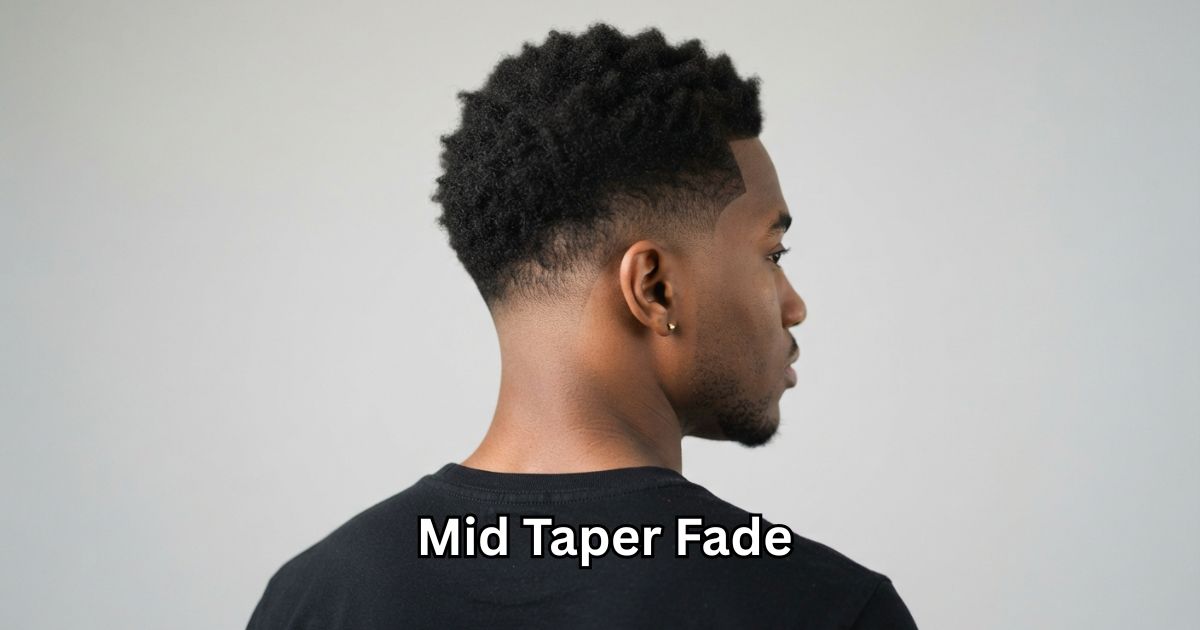
The mid taper fade begins around temple height, striking a balance between subtle and sharp. It flatters most face shapes, especially square and oval, and works well across straight, wavy, or thick hair.
Matte clay adds texture without shine, perfect for casual or business-casual settings alike. Plan on touch-ups every three weeks to keep that fade line crisp and defined.
High

A high taper fade starts near the crown, creating dramatic contrast against longer hair on top. It suits oval and long face shapes best, adding width where narrower faces need it.
Thick or curly hair benefits most, since the fade removes bulk efficiently. Expect frequent trims, roughly every two to three weeks, and reach for a stronger hold styling cream.
What is a Drop Fade?

A drop fade curves downward behind the ear instead of following a straight path. That subtle drop adds shape and movement, making it a favorite among guys who want something bolder.
It suits round, square, and narrower face shapes especially well. Curly and wavy hair types pair beautifully with the curve, and it works for both casual outings and sharp, styled looks.
Key Characteristics of Drop fade
Unlike a standard taper, the drop fade bends around the ear before continuing toward the neckline. This curved shape adds visual width and softens angular jawlines in a way straight fades can’t.
The style pairs naturally with longer, textured tops. It demands sharper attention during cutting, so an experienced barber matters here, and upkeep tends to run slightly more frequent than a taper.
Types of Drop Fade Haircuts
Drop fades split into four common variations, distinguished mainly by starting height and curve intensity. Each version changes how bold or subtle the final look reads from across the room.
From understated to eye-catching, there’s a drop fade for nearly every comfort level. Your hair texture and face shape will usually point you toward the right one pretty quickly.
Low Drop Fade
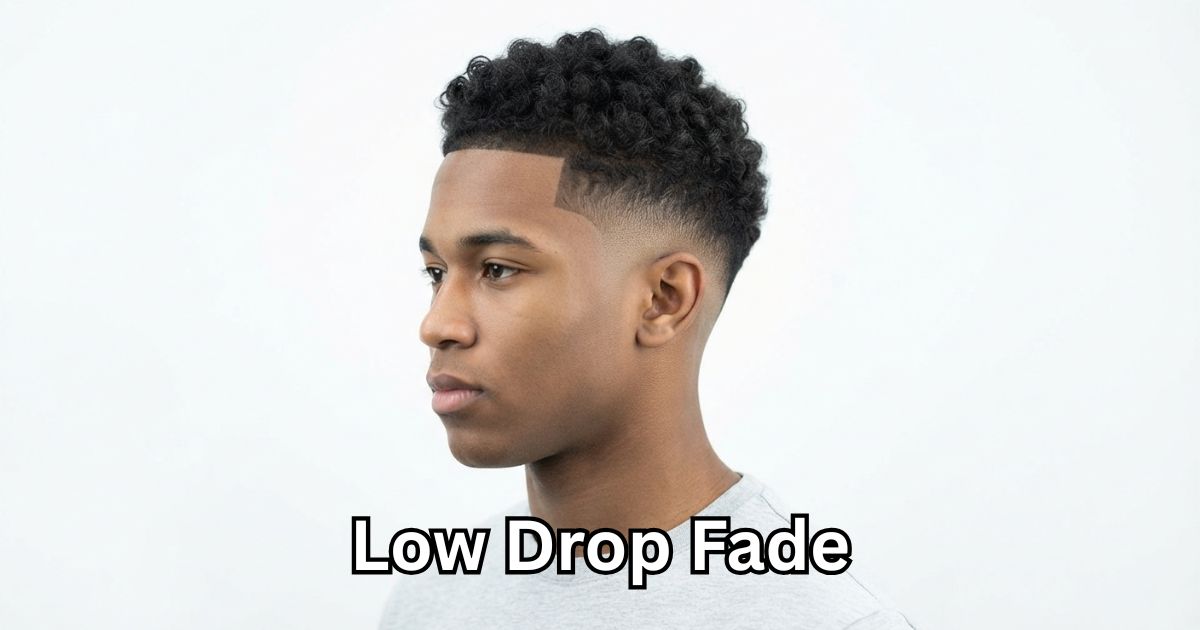
Starting just above the ear, the low drop fade offers a gentle curve with minimal drama. It flatters oval and square faces and works especially well with straight or slightly wavy hair.
A lightweight pomade keeps the top manageable without weighing it down. Maintenance sits around every three to four weeks, making this a solid pick for low-fuss grooming routines.
Mid Drop Fade

The mid drop fade begins at temple level, giving the curve more room to show. Round and square faces benefit most, and wavy or curly hair texture pairs naturally with the shape.
Styling clay or cream adds definition without excess shine. Expect trims roughly every three weeks, since the visible curve grows out faster than straighter fade lines do.
High Drop Fade

Beginning near the crown, the high drop fade creates serious contrast and a bold, curved silhouette. It suits oval faces best and pairs wonderfully with thick or curly textures on top.
Because the fade sits so high, regrowth shows quickly. Plan for touch-ups every two weeks, and use a strong-hold product to keep longer top hair in place.
Burst Drop Fade

A burst drop fade wraps in a half-moon shape around the ear, leaving more length toward the back. It’s ideal for round faces and works beautifully with curly or coily hair.
This one pairs naturally with faux hawks or longer, textured tops. It requires precise blending, so maintenance runs frequent, roughly every two weeks, to keep that curved burst line sharp.
Also Read: Low Fade Fluffy Hair: Best Styles, Styling Tips, and Maintenance Guide
Taper Fade vs Drop Fade (Differences)
| Feature | Taper Fade | Drop Fade |
| Fade line shape | Straight, follows a clean line down the sides | Curves behind the ear before reaching the neckline |
| Best face shapes | Works for almost any face shape | Best for round or square faces |
| Hair texture fit | Straight, wavy, or thick hair | Curly or wavy hair, extra room on top |
| Visual effect | Clean, classic contrast | Adds shape and softens angular jawlines |
| Maintenance | Every 3–4 weeks | Every 2–3 weeks |
| Overall vibe | Simple and versatile | Bold and eye-catching |
Final Thoughts
That’s the full breakdown of taper fade vs drop fade. Both cuts start the same way, fading hair short on the sides. But the path they take sets them apart completely.
Choosing between taper fade vs drop fade really comes down to your face shape and hair type. Want something clean and classic? Go taper. Want more shape and curve? Go drop fade. Either way, talk to your barber, use the right words, and keep up with touch-ups. Get taper fade vs drop fade right, and you’ll leave the chair looking sharp every time.
FAQs
What’s the difference between a taper fade and a drop fade?
A taper fade follows a straight line down the sides. A drop fade curves behind the ear. That curve adds shape, especially around your jaw and cheeks.
Which is better, taper fade or drop fade?
Neither wins outright. Taper fades suit almost any face shape and stay low-maintenance. Drop fades add curve and work best for round or square faces.
Does a drop fade suit curly hair?
Yes, it really does. The curved shape gives curls extra room to move and stay defined on top, especially with burst or mid drop variations.
How often do I need to get a taper fade or drop fade touched up?
Every two to four weeks, depending on height. High fades and drop fades grow out faster, so they’ll need more frequent barber visits than low ones.
Can I ask my barber for a taper fade vs drop fade combo?
Definitely. Many barbers blend both, using a straight taper on one side and a subtle drop near the ear for a unique, personalized look.

Serena Luna, the voice behind JournalHair. I share the latest hairstyle ideas, haircut trends, and easy hair inspiration to help you find your perfect look every day.
