

The low mullet is having a real moment right now. It’s not the loud, brash mullet your uncle rocked in the 80s. This version keeps things tighter and cleaner near the sides. Short hair blends low into a fade, then longer layers spill out the back. It’s subtle. It’s wearable. And it works with pretty much any hair type.
You’ll love how a low mullet gives you the best of both worlds. Short on the sides means less upkeep and a sharp, put-together look. Long in the back means you still get movement and personality. Think business up front, a little flair out back. Barbers love this cut because it’s easy to customize. Thick hair, fine hair, curly or straight, the low mullet adapts. If you want a haircut that feels modern instead of gimmicky, this one delivers.
What Is a Low Fade Mullet
A low fade mullet blends a tight fade near the ears into short sides, then lets hair build in length toward the crown and neck. The fade sits subtle, not dramatic.
This style suits oval, square, and heart face shapes, and it works best on thick or medium hair. Use a matte clay, book touch-ups monthly, and wear it anywhere.
Quick Fit Table
| Style | Best Face Shape | Best Hair Type | Maintenance |
| Low Fade Mullet | Oval, Square | Thick, Wavy | Moderate |
| Mid Fade Mullet | Square, Round | Thick, Curly | Moderate |
| High Fade Mullet | Oval, Diamond | Thick, Straight | High |
| Low Mullet (no fade) | Heart, Oblong | Fine, Wavy | Low |
| Mid Mullet | Oval, Long | Fine, Straight | Low-Moderate |
| High Mullet | Round, Square | Curly, Thick | High |
Variations
Not every mullet looks the same, and that’s the point. Fade height changes everything, from how loud the cut reads to how often you’ll need a barber.
1) Low Fade Mullet Haircut
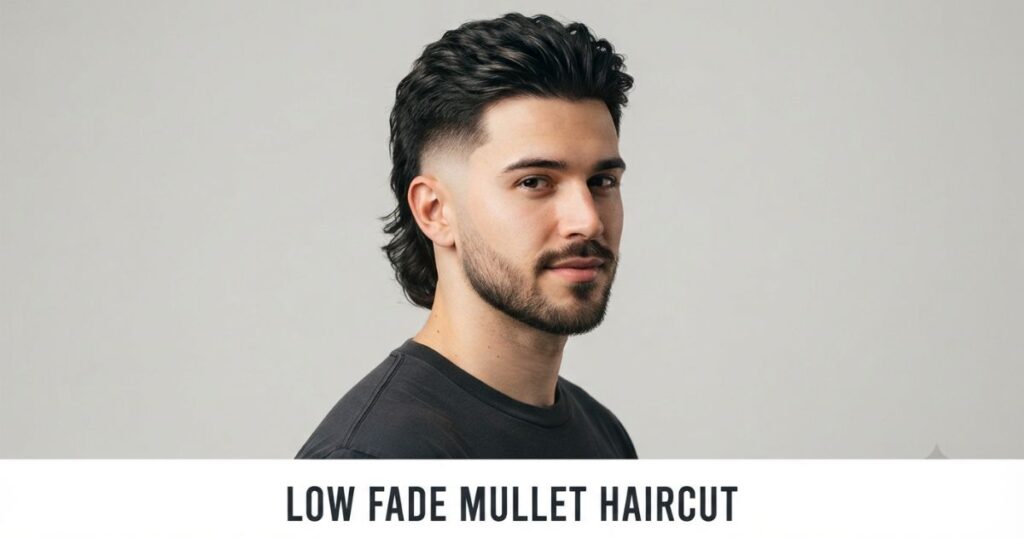
This is the classic entry point: short sides fading low, longer layers left alone up top and out back. Clean, but never boring.
Guys with thick or wavy hair and oval faces get the most out of it. Grab a matte clay, plan for monthly trims, and wear it to work or drinks.
2) Mullet Low Fade
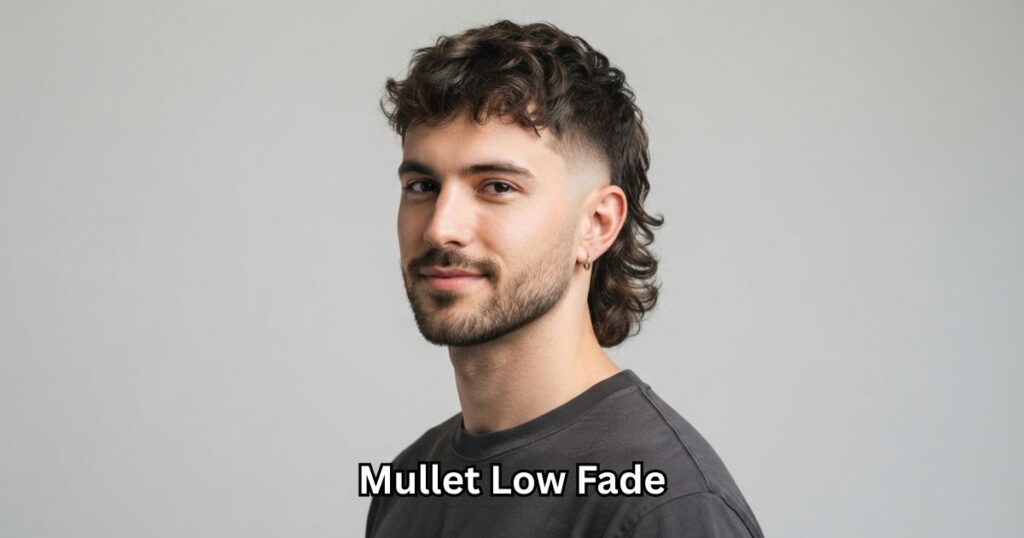
Here the fade takes a back seat, and the mullet’s shape does the talking. Length builds gradually instead of dropping off in a hard line.
Square faces and curly hair pair well with this softer approach. A texturizing spray adds grip without weight, upkeep stays easy, and it’s built for weekend wear.
3) Modern Mullet Low Fade
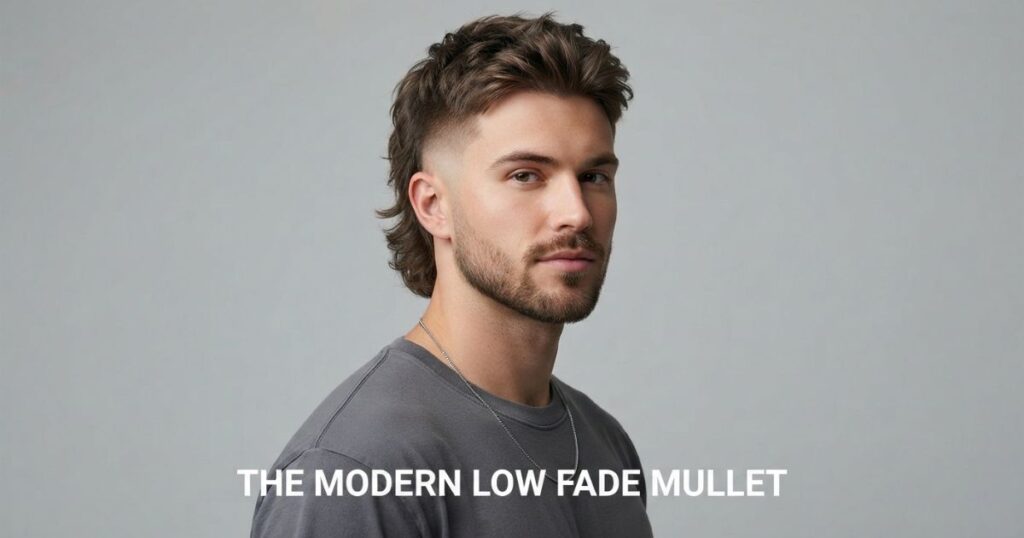
Think of this as the mullet’s dressed-up cousin, sharp on the sides and deliberately messy on top. It reads polished instead of retro.
Round faces and straight hair suit it especially well. Style with pomade for shine, book trims every few weeks, and it slides right into smart-casual settings.
4) Low Mullet Haircut
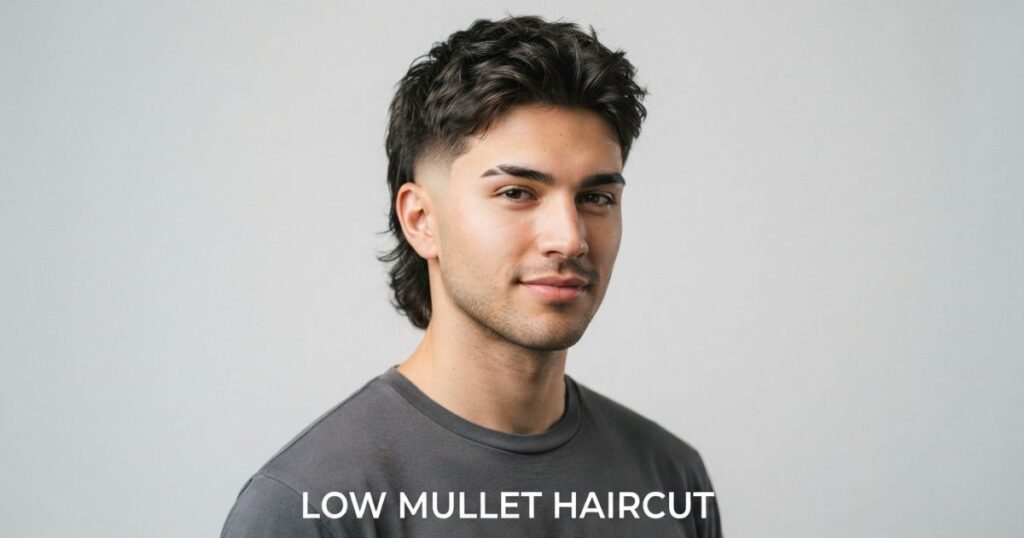
No hard fade line here. Sides taper down naturally, so the whole cut feels more relaxed and less “look at me.”
Heart-shaped faces and fine hair benefit most. A light mousse gives shape without stiffness. Maintenance stays low, and it works just as well for errands as evenings out.
5) Mullet Low Fade Haircut
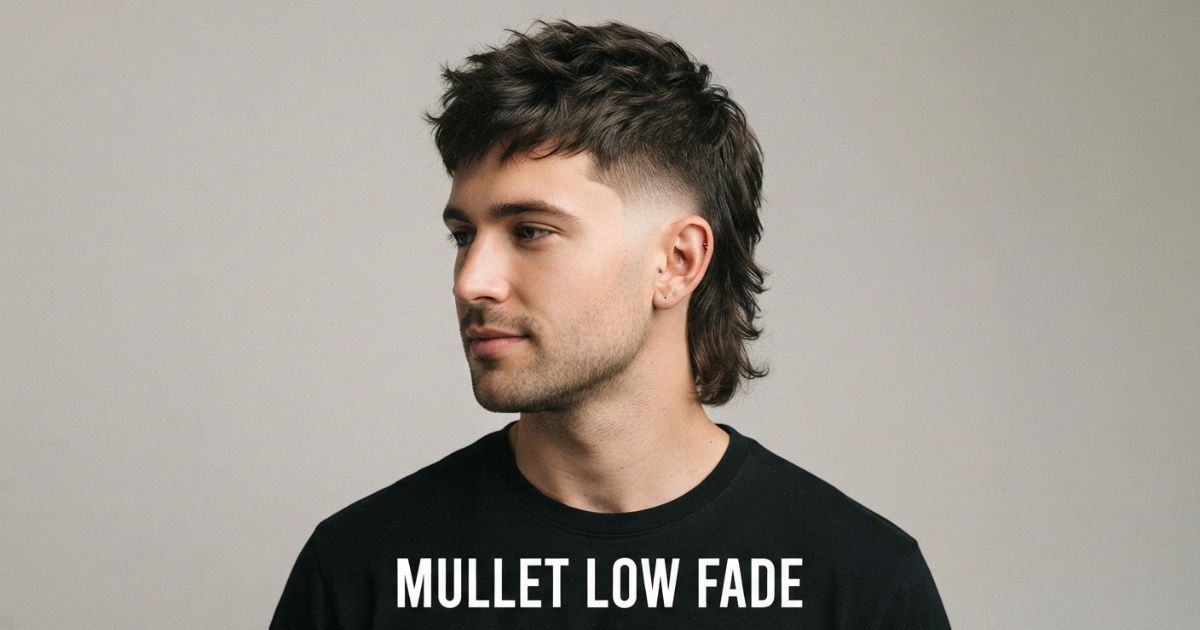
Business up front, a little rebellion out back, that’s the whole appeal. The fade stays low-key while the back does all the styling work.
Long faces and thick hair carry this one nicely. Sea salt spray brings out natural texture. Plan for monthly upkeep, and save the length for weekend plans.
6) Low Mullet Fade
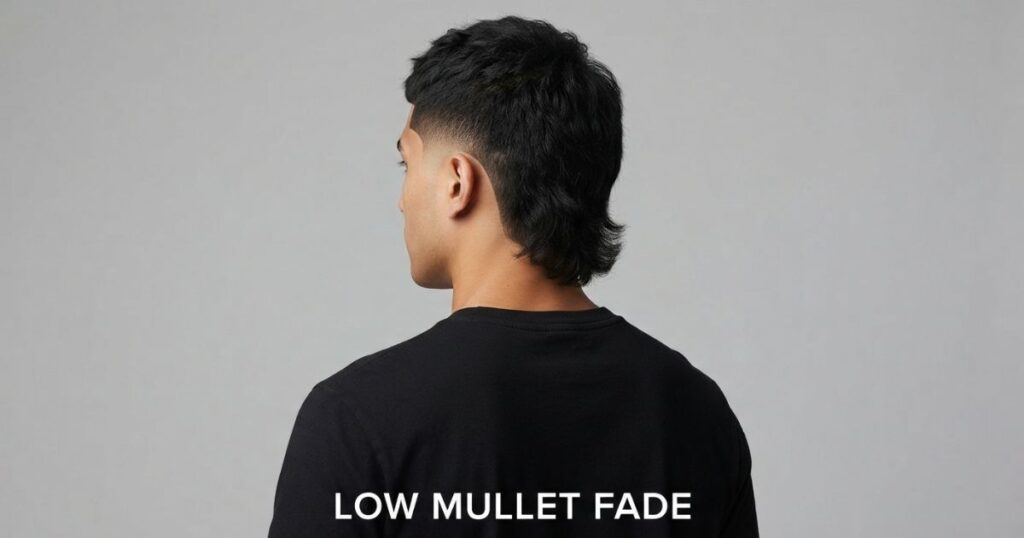
This version keeps the undercut subtle instead of sharp, so the transition from short to long feels almost invisible from the front.
Diamond faces and medium-density hair work well here. A matte paste holds shape without shine. It’s low-maintenance and easy to justify for the office.
7) Low Mullet
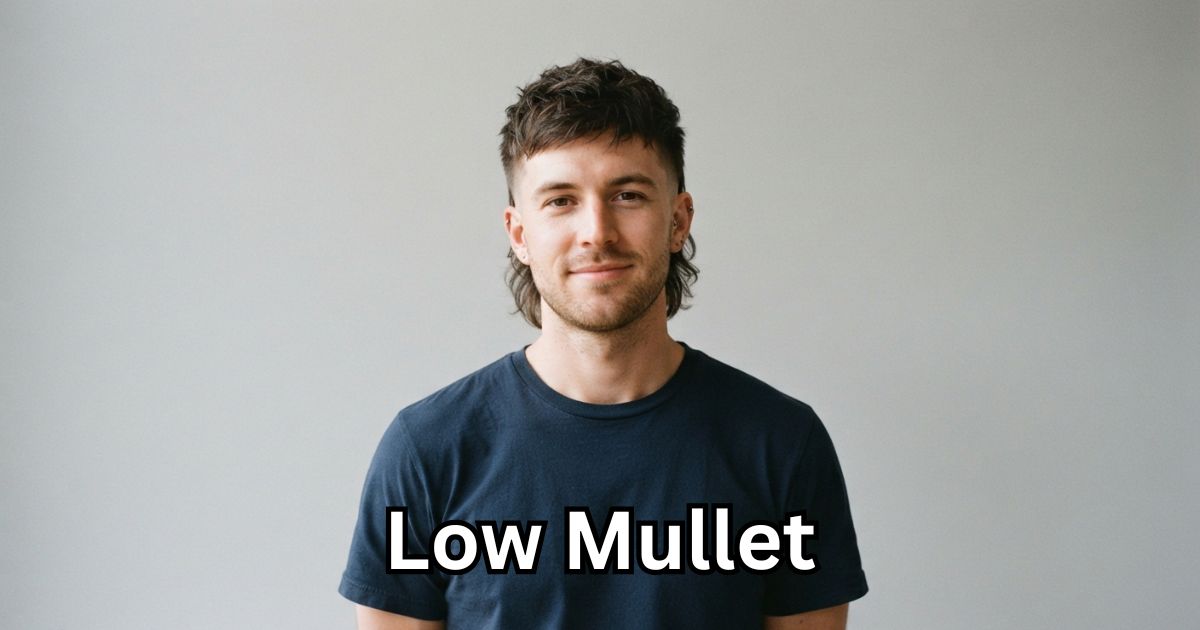
Skip the fade entirely and you get this: a shaggy, natural mullet that leans on texture instead of sharp lines. Low effort, high payoff.
Oblong faces and wavy hair make it look effortless without trying. A texturizing cream is all you need. Barely any upkeep, and it works for every day.
8) Mid Fade Mullet
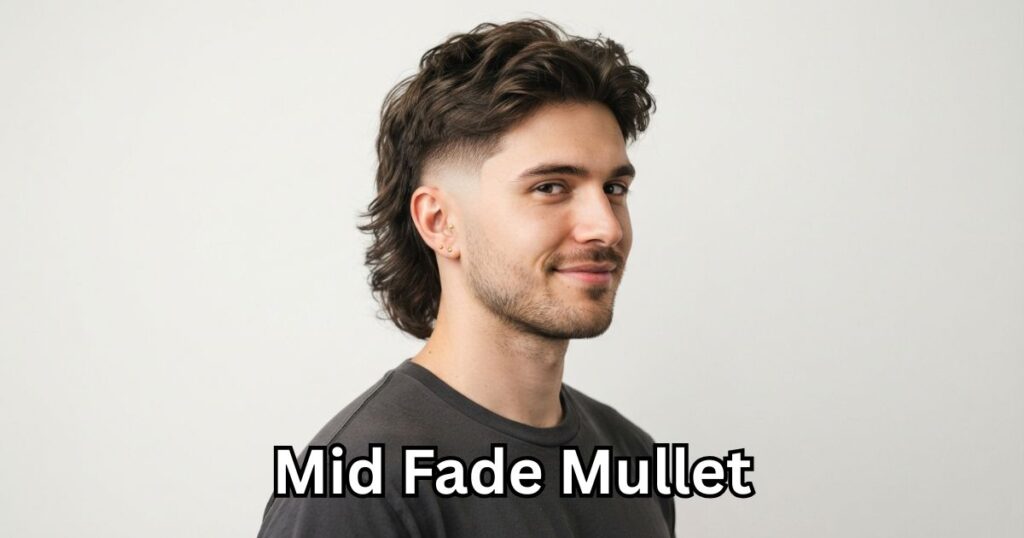
Raise the fade a bit higher and the whole cut gets more contrast, more edge, more “I actually styled this today.”
Oval and square faces both handle it well, especially with thick hair. Matte clay keeps things textured. Plan on monthly visits, and it flexes from Monday to Saturday night.
9) Mullet Mid Fade
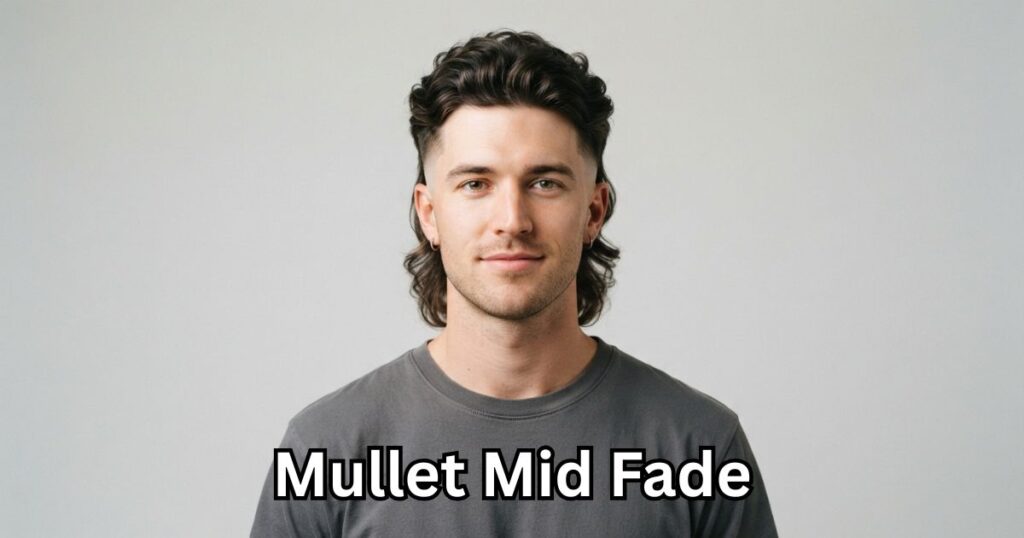
This one pushes the contrast further, making the length up top and out back feel like a deliberate statement rather than an accident.
Round faces and curly hair pair beautifully with the extra height. Curl cream defines without frizz. Expect trims every few weeks, and save it for nights you want noticed.
10) Mid Fade Mullet Haircut
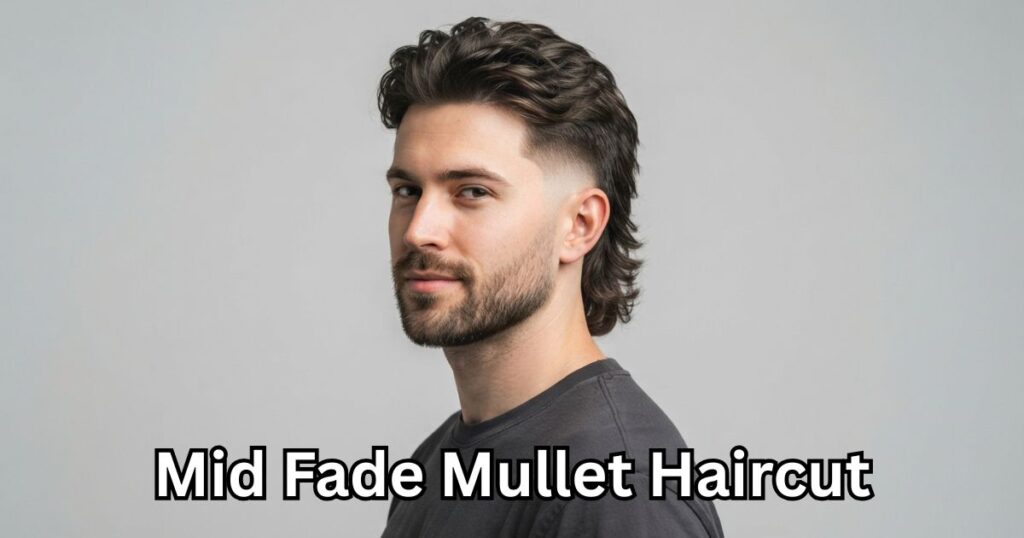
A cleaner cousin of the mid fade, this cut favors a crisp transition line over a blurry one. Sharp, but not aggressive.
Heart faces and straight hair look especially sharp here. Pomade adds control and shine. Monthly trims keep it fresh, and it moves easily from office to happy hour.
11) Mid Mullet
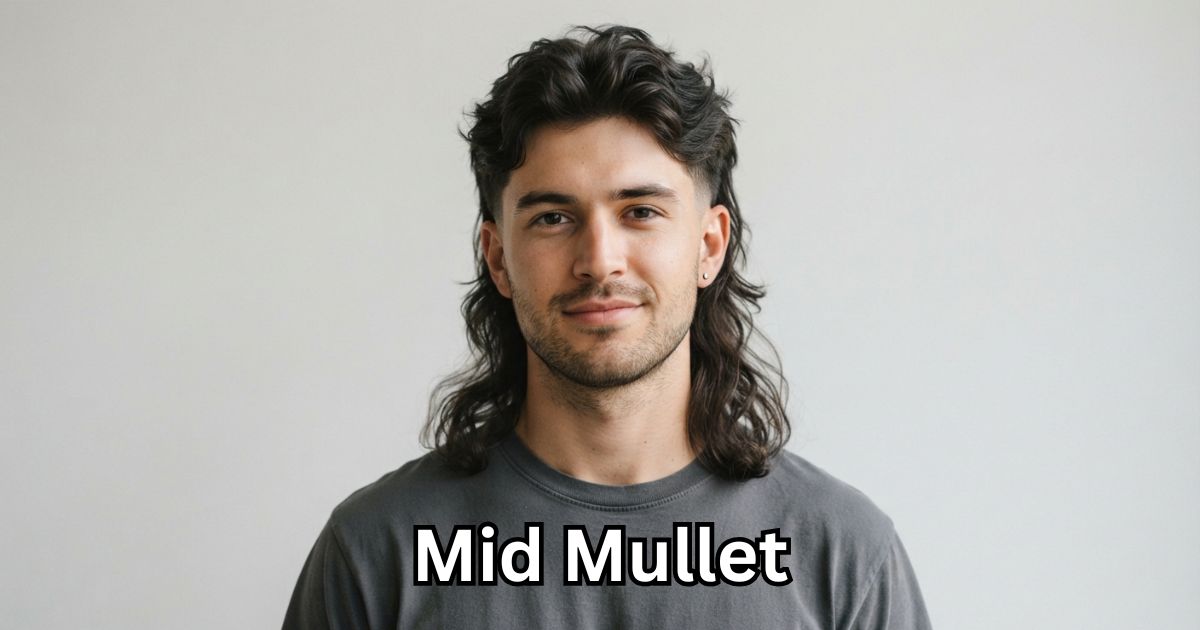
Drop the fade altogether and the mid mullet becomes a softer, blended cut that still holds onto extra length and personality.
Oval faces and fine hair suit this understated version well. A light spray adds hold without weight. Maintenance stays minimal, making it a genuinely low-effort daily option.
12) Mid Mullet Fade
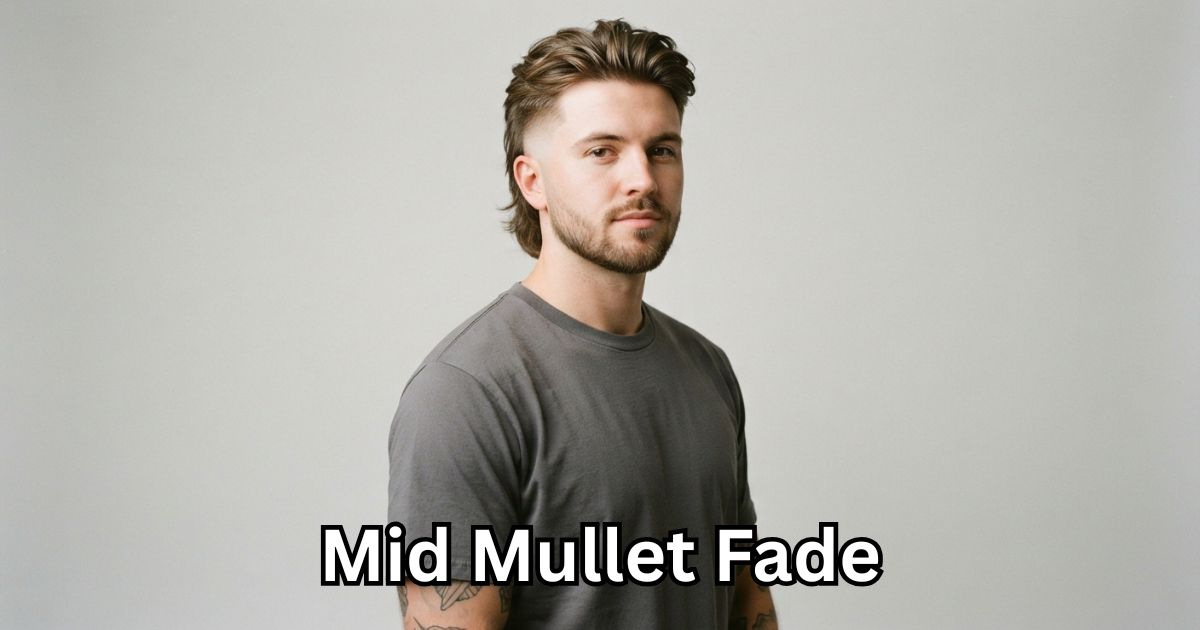
Slightly different from its cousins above, this variation keeps more length up top while the fade does quieter work at the sides.
Long faces and thick, wavy hair benefit from the extra volume. Matte clay tames flyaways. Book touch-ups every couple weeks, and it holds up fine through busy weeks.
13) Mid Mullet Haircut
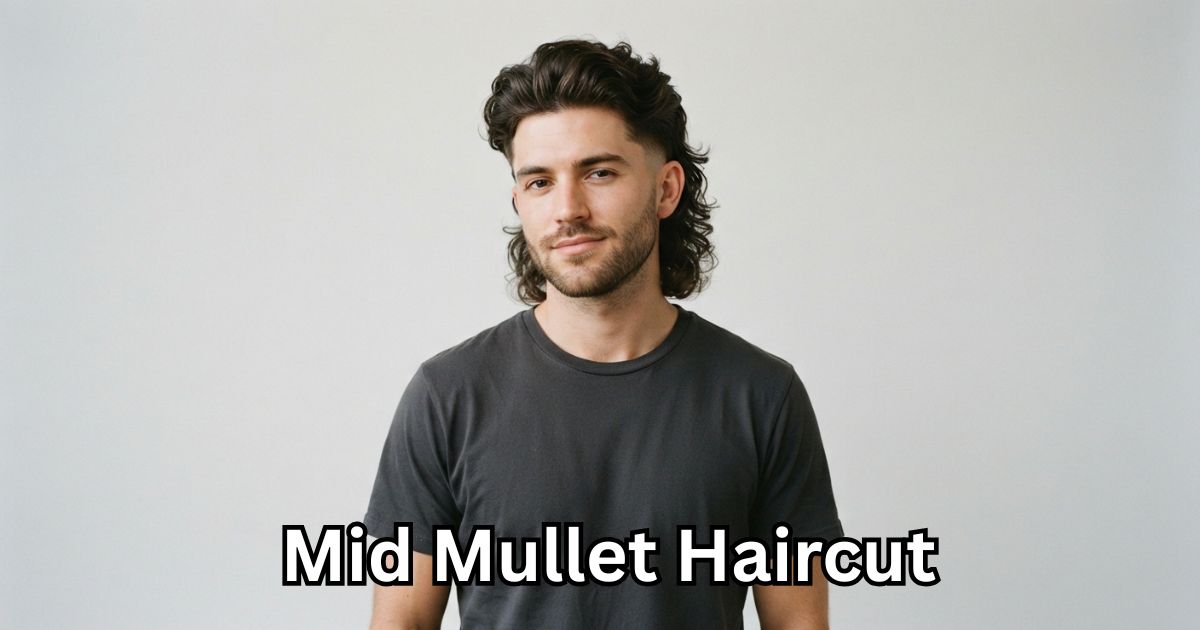
Consider this the all-rounder of the bunch, not too bold, not too plain. It splits the difference between edgy and everyday.
Square faces and medium hair density work well. A texturizing paste gives just enough grip. Monthly maintenance keeps it sharp, and it suits nearly any occasion you throw at it.
14) High Fade Mullet
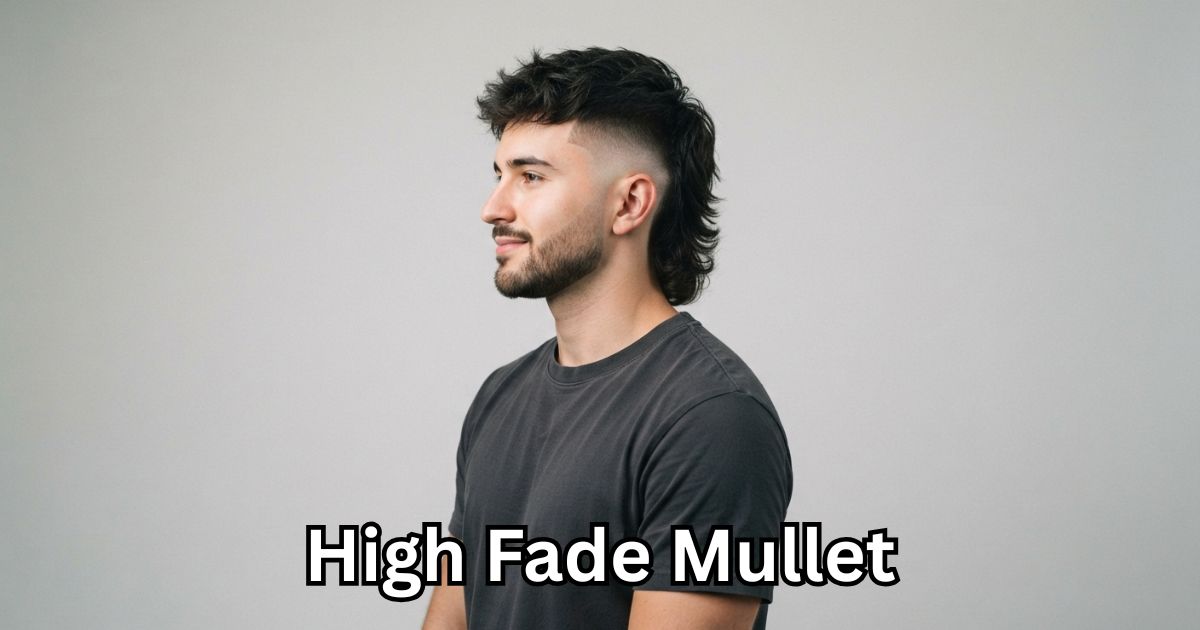
Now things get bold. The fade climbs high, creating sharp contrast against the length left on top. Subtle isn’t the goal here.
Oval and diamond faces handle the drama well, especially with thick hair. Pomade locks in shine. Expect trims every two to three weeks, since high fades grow out fast.
15) High Mullet
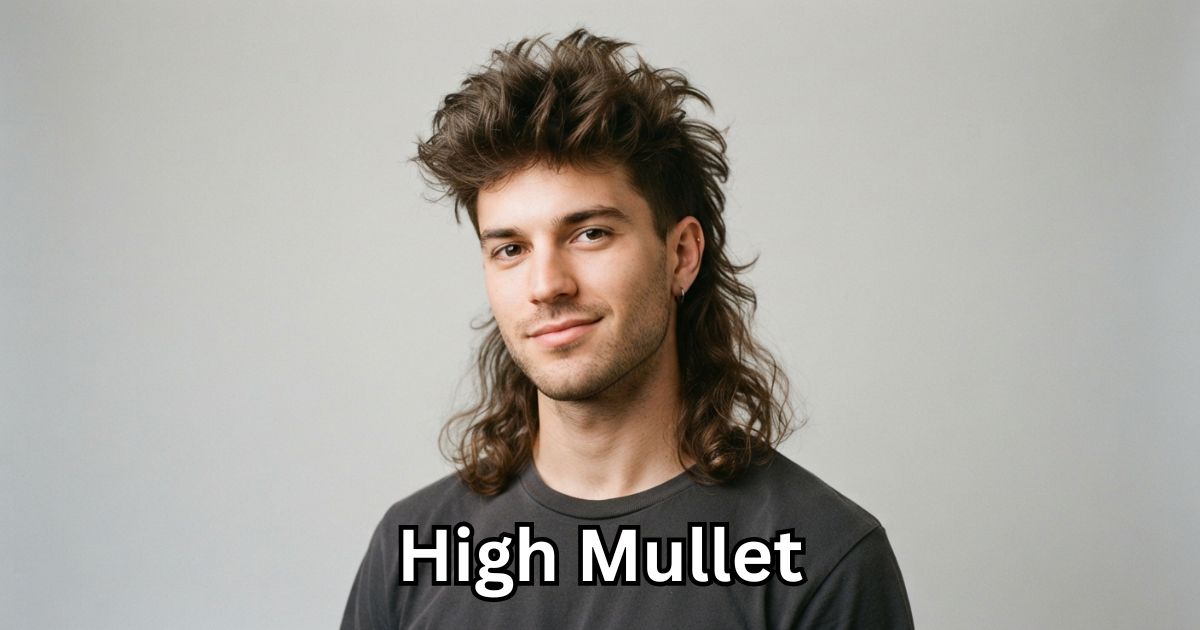
Skip the sharp fade line and you get a high mullet that leans on volume and length instead of contrast at the sides.
Round faces and curly hair make the most of the extra height. A curl-defining cream shapes without crunch. The length stays low-maintenance, though the top needs regular attention.
16) High Mullet Haircut
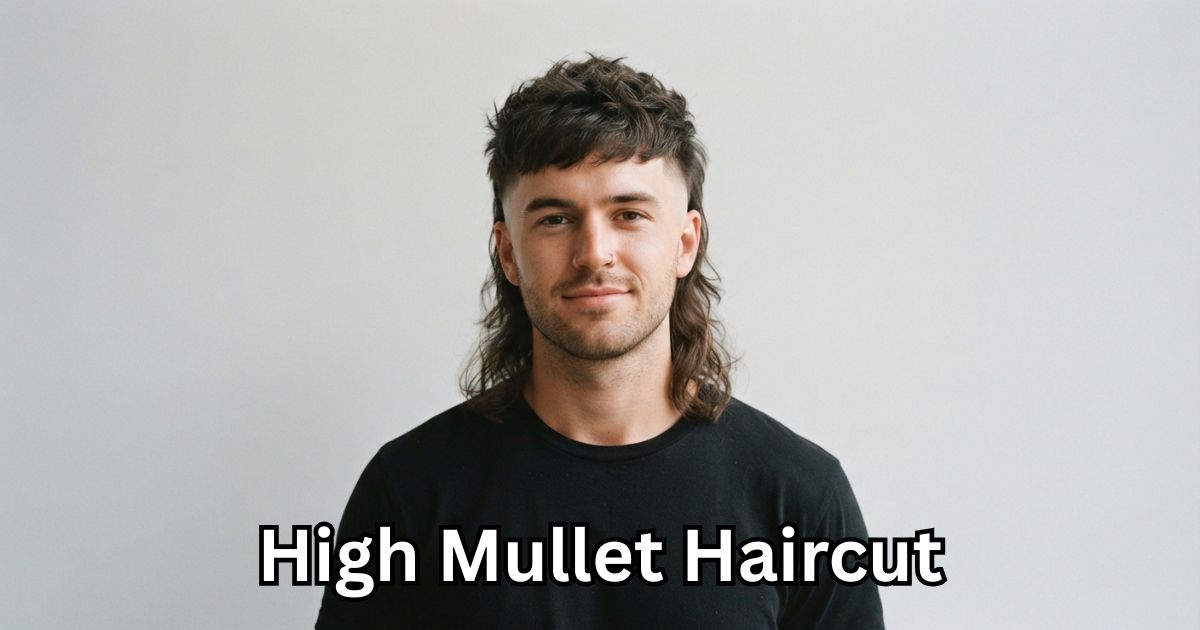
This is the boldest option on the list, short and severe at the sides, dramatically longer everywhere else. Not for the faint of heart.
Square faces and thick, straight hair pull it off best. Matte clay adds texture and grip. Frequent trims are non-negotiable, and it’s built for nights out, not boardrooms.
17) Mullet High Fade
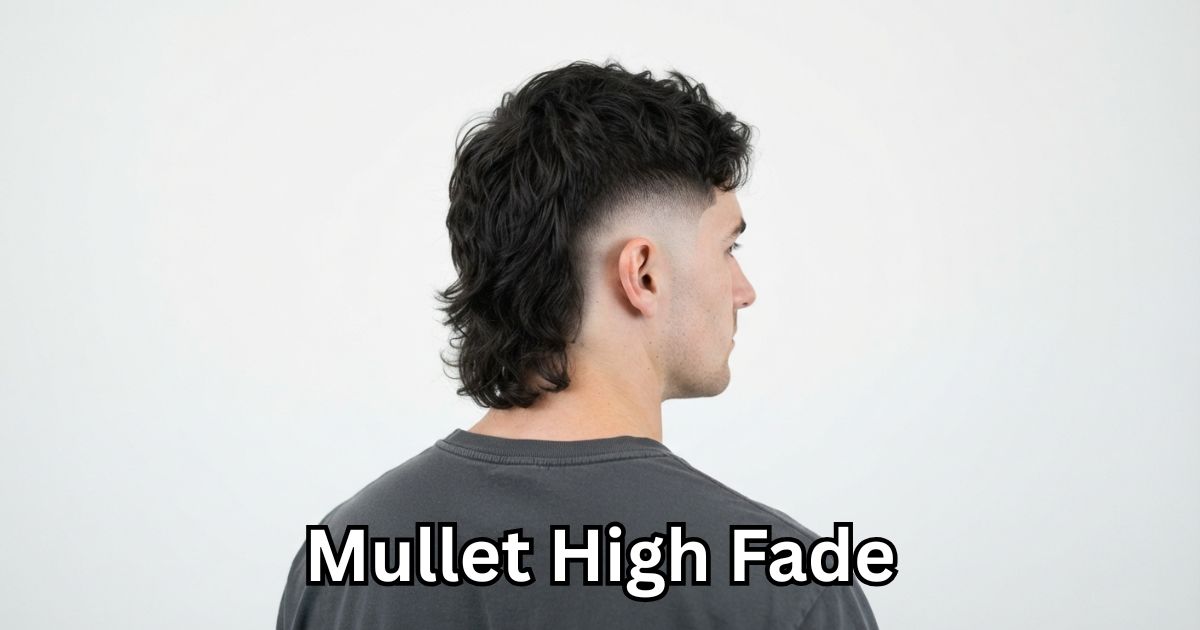
Flip the emphasis and you get a cut where the fade dominates the look, while the mullet length peeks out almost as an afterthought.
Heart faces and wavy hair suit this striking combo. Salt spray enhances natural texture. Upkeep runs frequent, and it’s a favorite for festivals and creative work settings.
How to Style in Three Steps
- Prep damp hair. Towel-dry until it’s just damp, not soaking. Product grips better on slightly wet strands than on bone-dry hair.
- Add texture, not weight. Work a dime-sized amount of clay or paste through the top and back. Skip the roots so hair doesn’t go flat.
- Finish with your fingers. Forget the comb here. Tousle with your fingers for movement, then hit it with a light hold spray if you need it to survive a windy commute.
Also Read: Low Taper Burst Fade Haircut: The Complete Styling and Maintenance Guide
Barber Instructions
Bring a photo, but don’t rely on it completely, since lighting and angles can throw off how a fade actually looks. Tell your barber exactly where you want the fade to start, whether that’s low near the ear, mid at the temple, or higher toward the crown. Be specific about length too.
Ask that the top and back stay long enough to style, not just “short enough to be safe.” A solid barber will also explain how the cut grows out over time. That way, your low mullet still looks sharp at week three, not just fresh out of the chair.
Care and Upkeep
A mullet’s lifespan depends on your regrowth schedule. Low fades stretch further between cuts, often five to six weeks, while higher fades need attention every two to three. Skip the daily wash too. Hair holds texture better when natural oils build up a little, so every two or three days works best.
On the days you skip washing, a light dry shampoo at the roots keeps things looking clean without flattening your style. And if you’re growing your low mullet out, a lightweight leave-in conditioner stops the ends from turning frizzy or brittle. Think maintenance, not babysitting.
Final Thoughts
The low mullet guide comes down to one simple idea: you don’t need drama to get a great haircut. A low mullet gives you clean sides and just enough length to have fun with. It works for thick hair, fine hair, curly or straight.
Whether you pick a fade or skip it, the low mullet stays easy to wear. It fits the office. It fits the weekend. Talk to your barber, bring a photo, and ask for the length you actually want. A low mullet done right looks intentional, not accidental. That’s the whole point.
FAQs
What is a low mullet?
A low mullet keeps the sides short and close, then leaves length in the back and crown. It’s subtle, wearable, and works for almost any hair type.
Does a low mullet suit thick hair?
Yes, thick hair holds shape well in a low mullet. The extra density adds natural volume up top, while the sides stay neat and easy to manage.
How often should you trim a low mullet?
Plan on a trim every four to six weeks. Low mullets grow out slower than fades, so you’ll get more mileage between barber visits.
Can you style a low mullet without product?
You can, but product helps. A little clay or paste adds texture and keeps flyaways controlled, especially if your hair is naturally straight or fine.
Is a low mullet good for the office?
Absolutely. The low mullet stays clean up front and professional overall. It’s one of the easiest mullet styles to wear at work without turning heads.

Serena Luna, the voice behind JournalHair. I share the latest hairstyle ideas, haircut trends, and easy hair inspiration to help you find your perfect look every day.
